
High Court
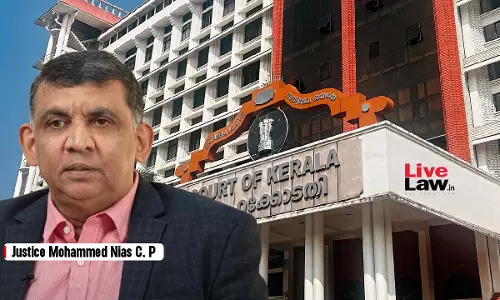
Acquittal In Cheque Bounce Case Doesn't Bar Civil Recovery Suit On Same Cheque: Kerala High Court
The Kerala High Court on 29 July held that an acquittal in proceedings under Section 138 of the Negotiable Instruments Act, 1881 (dishonour of cheque for insufficiency of funds) does not prevent a civil court from deciding a recovery suit based on the same cheque, as findings recorded in criminal proceedings do not bind civil courts. A Bench comprising Justice Mohammed Nias C.P. allowed Prameela Varghese's appeal, set aside the Trial Court's decree directing her to pay the cheque amount with...
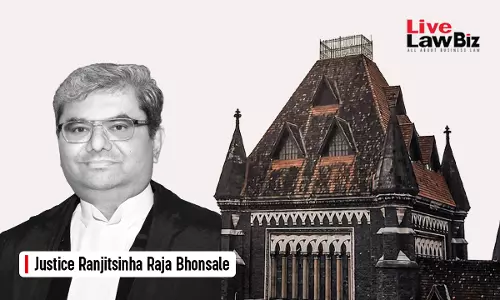
Legal Heir Can't File Cheque Bounce Case Without Being Payee Or Holder In Due Course: Bombay High Court
The Bombay High Court on 29 June held that a legal heir of a deceased payee cannot maintain a complaint under Section 138 of the Negotiable Instruments Act, 1881 (which provides for criminal liability for cheque dishonour) merely by virtue of succession. Justice Ranjitsinha Raja Bhonsale quashed three complaints filed by Nandini Ashok Rao against Dr. Sagar Raghunath Phatkare, holding that she was neither the payee nor the holder in due course of the dishonoured cheques and therefore could not...
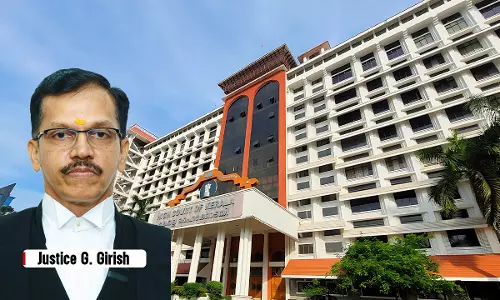
Kerala High Court Allows Handwriting Test Of Disputed Cheques In PTB Chits Cheque Dishonour Cases
The Kerala High Court on 29 June held that an accused facing prosecution for cheque dishonour under Section 138 of the Negotiable Instruments Act, 1881 cannot be denied an opportunity to seek expert handwriting examination of a disputed cheque when the complainant specifically claims that the accused personally filled the cheque entries.Justice G. Girish considered petitions filed by PTB Chits Private Limited and its directors challenging orders of the Judicial First Class Magistrate Court,...
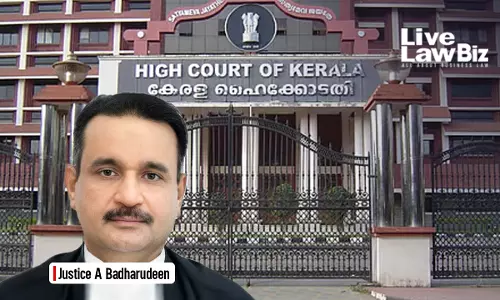
Loan To Relative Despite Earlier Default Cannot Discredit Cheque Case Under NI Act: Kerala High Court
The Kerala High Court on 16 July held that a complainant's case under Section 138 of the Negotiable Instruments Act, 1881 (NI Act) cannot be disbelieved merely because she advanced a further loan to a relative despite an earlier loan remaining unpaid, or because the accused issued a typewritten cheque. Justice A Badharudeen set aside the Magistrate's acquittal order and convicted Sreekala, the accused, for cheque dishonour under Section 138 of the NI Act, holding that Shiny Nair, the...
Jharkhand High Court Orders Separate Registers For SARFAESI Applications, Makes Records Accessible Under RTI
The Jharkhand High Court has directed all District Magistrates and Chief Judicial Magistrates in the State to maintain separate registers for applications filed by banks and financial institutions under Section 14 of the SARFAESI Act. Section 14 empowers District Magistrates and Chief Judicial Magistrates to assist secured creditors in taking physical possession of secured assets when such assistance is sought under the Act. The court further directed that the registers be treated as public...
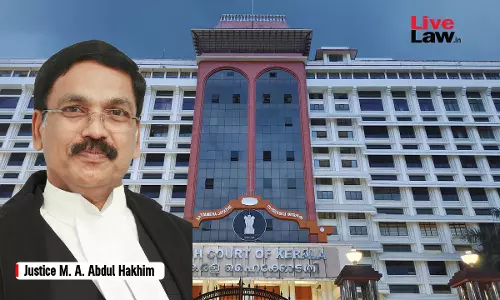
Minor Admitted To Partnership Firm's Benefits Not Liable For Firm's Loan Default: Kerala High Court
The Kerala High Court on 7 July held that a person admitted only to the benefits of a partnership firm as a minor cannot be treated as a defaulter for the firm's loan merely because the firm failed to repay its dues. Justice M.A. Abdul Hakhim allowed a petition filed by Dhruv Hitesh Dattani challenging adverse remarks in his CIBIL report, observing that since the partnership firm had already dissolved before he attained majority, there was no occasion for him to exercise the option under...
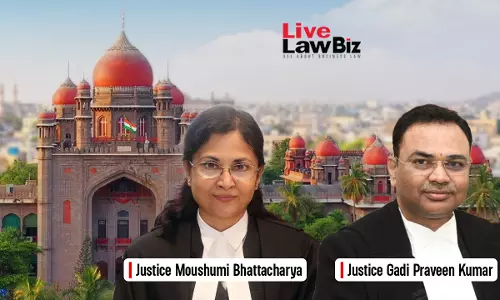
SARFAESI Action Against Personal Guarantors Can Continue Without No Pending IBC Case: Telangana High Court
The Telangana High Court has held that a secured creditor is not barred from proceeding against personal guarantors under the SARFAESI Act merely because insolvency proceedings are pending against the corporate debtor. It observed that where no insolvency proceedings have been initiated against the guarantors before the National Company Law Tribunal (NCLT), there is "no legal argument against a secured creditor proceeding against personal guarantors for realization of its dues" under the...

Madras High Court Quashes CBI Case After Bank Accepted IBC Resolution Plan, Issued No Due Certificate
The Madras High Court has held that Union Bank of India ought not to have initiated criminal proceedings against Star Agro Marine Exports Private Limited and its directors after accepting the corporate insolvency resolution plan, accepting the settlement amount and issuing a No Due Certificate The court held that the prosecution initiated thereafter amounted to an abuse of the process of law. Justice G.K. Ilanthiraiyan passed the order while quashing criminal proceedings initiated by the...
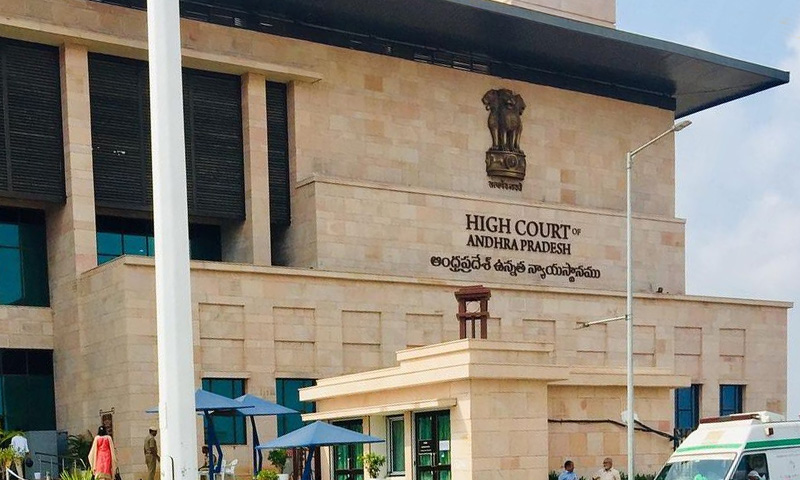
Auction Purchaser Can Seek Refund If Material Title Defects Were Not Disclosed: Andhra Pradesh High Court
The Andhra Pradesh High Court has directed Indian Bank to refund the entire auction consideration paid by an auction purchaser, along with stamp duty, registration charges, and 9% simple interest, after holding that he could not be compelled to continue with a purchase clouded by title disputes. The court also set aside the sale certificate and the registered sale deed issued in his favour. A Division Bench of Justice Battu Devanand and Justice A. Hari Haranadha Sarma observed that an auction...
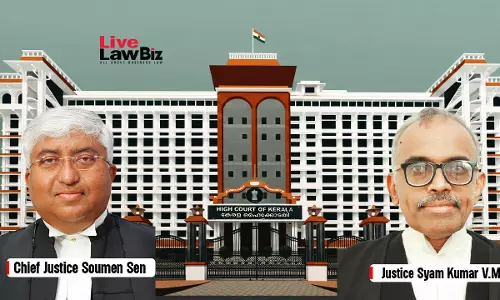
MSME Borrower Must Establish Status Before NPA To Avail RBI's Revival Framework: Kerala High Court
The Kerala High Court has reiterated that an MSME borrower seeking the benefit of the RBI's statutory framework for revival and rehabilitation must disclose its MSME status to the lending bank. It must also produce authenticated documents establishing its eligibility at the time of availing credit facilities or, at the latest, before the loan account is classified as a non-performing asset (NPA). A division bench of Chief Justice Soumen Sen and Justice Syam Kumar V.M., applying the Supreme...

Rajasthan High Court To Decide If Police Can Levy Fees On Banks For SARFAESI Possession Assistance
The Rajasthan High Court is set to examine whether the Police Department can levy charges on banks for providing police assistance to recover secured assets under Section 14 of the Securitisation and Reconstruction of Financial Assets and Enforcement of Security Interest (SARFAESI) Act, 2002. A Single Bench of Justice Sameer Jain on 6 July was hearing a petition filed by AU Small Finance Bank Ltd challenging the Rajasthan Police Department's levy of charges for providing police assistance in...
Limitation U/S 138 NI Act Runs From Receipt Of Returned Notice Not Its Refusal: Kerala High Court
The Kerala High Court on 8 July held that in prosecutions under Section 138 of the Negotiable Instruments Act (dishonour of cheque for insufficiency of funds), the limitation period for filing a complaint begins from the date the complainant receives the returned postal cover or is informed that the statutory notice could not be served, and not from the date the addressee refused or left the notice unclaimed. Justice A Badharudeen allowed an appeal filed by Sree Gokulam Chit & Finance Co....