
Top Stories
NCLT Delhi Permits Withdrawal Of Aviator ML 29641 Insolvency Plea Against SpiceJet, Imposes ₹15 Lakh Costs
The National Company Law Tribunal (NCLT), New Delhi, on 19 August allowed Aviator ML 29641 to withdraw its insolvency petition against SpiceJet Limited under Section 9 of the Insolvency and Bankruptcy Code, 2016, but imposed costs of Rs. 15 lakh on both parties for seeking withdrawal after the matter had been reserved for orders. A Bench of Judicial Member Mahendra Khandelwal and Technical Member Anu Jagmohan Singh allowed the withdrawal under Rule 8 of the Insolvency and Bankruptcy...
Supreme Court Asks Matrimony.com, FreeElective Network To Explore Settlement In 'Jodii' Trademark Dispute
The Supreme Court on Friday asked matchmaking app Matrimony.com Ltd and FreeElective Network Pvt Ltd to explore an amicable settlement in a trademark dispute concerning Matrimony.com's 'Jodii' matchmaking app and FreeElective's registered 'Jodi365' mark. The Court was hearing Matrimony.com Ltd's challenge against the Madras High Court order that restrained Matrimony.com from using the mark 'Jodii' for its matchmaking app. The High Court's Division Bench set aside a 2022 order of a Single...
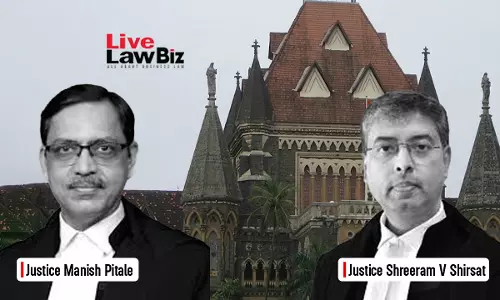
Bombay High Court Upholds IBBI's Power To Levy 0.25% Fee On Successful Resolution Plans
The Bombay High Court on 19 August upheld the validity of Regulation 31A of the Insolvency and Bankruptcy Board of India (Insolvency Resolution Process for Corporate Persons) Regulations, 2016, holding that the provision enabling the IBBI to levy a regulatory fee on successful resolution plans is neither ultra vires the Insolvency and Bankruptcy Code, 2016 nor violative of Article 14 of the Constitution. A Bench of Justices Manish Pitale and Shreeram V Shirsat dismissed four petitions...

LiveLawBiz: Corporate Legal News Daily Round-Up: August 20, 2026
IBC IBC's Overriding Effect Does Not Automatically Bar Proceedings Under Other Laws: Karnataka High CourtProponent Choosing To Withdraw After Non‑Acceptance Of Scheme In Liquidation Cannot Be Forced To Pay EMD: NCLAT ChennaiHomebuyers Seeking Refund Through Arbitration Cannot Claim Financial Creditor Status: NCLAT New DelhiInsolvency Does Not Bar Liquidator From Recovering Chit Company Dues: Madras High CourtNCLT Mumbai Admits ₹11.94 Cr Insolvency Plea Against Reliance Entertainment, Says...
Supreme Court Reserves Verdict On Plea By Minority Shareholders To Recall Order Referring Jindal Poly Films Class Action To Arbitration
The Supreme Court on Thursday reserved its verdict on a miscellaneous application filed by a group of 29 minority shareholders seeking recall of its June 8, 2026 order referring the Jindal Poly Films Ltd class action dispute to arbitration. The shareholders contended that the Court had not been informed that the proceedings before the NCLT had already acquired the character of a class action, with thousands of non-promoter minority shareholders becoming parties to the proceedings following...
Supreme Court Stays Calcutta HC Order Holding Unlicensed IPRS Music In Hotels Is Copyright Infringement
Today, the Supreme Court stayed a Calcutta High Court judgment holding that providing cable television connections to individual hotel rooms amounts to “communication to the public” under the Copyright Act, 1957 and constitutes copyright infringement. A Bench comprising Justices K.V. Viswanathan and Arun Palli issued notice and stayed the High Court judgment while hearing Hotel Appolo & Tours Private Limited's challenge to the judgment dated 4 August 2026. Senior Advocate Neeraj Kishan...
NCLT Mumbai Admits ₹11.94 Cr Insolvency Plea Against Reliance Entertainment, Says Security Deposit Is Debt
The Mumbai National Company Law Tribunal (NCLT) on 19 August held that an amount advanced under a Security Deposit Agreement can constitute a financial debt under Section 5(8) of the Insolvency and Bankruptcy Code, 2016 (IBC). A Bench comprising Judicial Member Nilesh Sharma and Technical Member Sameer Kakar admitted Pen India Private Ltd's insolvency plea against Reliance Entertainment Studios Pvt Ltd over a default of Rs. 11.94 crore. It observed: “In view of the foregoing discussion, we are...
Supreme Court Dismisses GST Review Against Bharti Airtel And Others Over ITC On Telecom Towers
The Supreme Court on 19 August dismissed the Goods and Services Tax (GST) Department's review petition against Bharti Airtel Ltd, Indus Towers Ltd and Elevar Digitel Infrastructure Pvt Ltd, upholding the earlier dismissal of the Department's challenge to the Delhi High Court ruling on input tax credit (ITC) for telecom towers. A Bench of Justices Vikram Nath and Prasanna B. Varale found no error apparent on the face of the record warranting reconsideration of the Supreme Court's earlier order...
Supreme Court Stays NCLAT Order Holding NCLT Can Adjudicate Easement Dispute Linked To Liquidation Assets, Directs Mediation
The Supreme Court on Thursday stayed the operation of the National Company Law Appellate Tribunal's (NCLAT) July 29, 2026.The NCLAT held that the NCLT can adjudicate a dispute concerning an easementary right of way under the Insolvency and Bankruptcy Code where the dispute has a direct nexus with the insolvency or liquidation proceedings and affects value maximisation of the corporate debtor's assets.A 2:1 Bench of Technical Members Arun Baroka and Indevar Pandey, constituting the majority,...
Supreme Court Upholds TVS Motor's Referral Charges As Business Auxiliary Service, Sets Aside Penalty
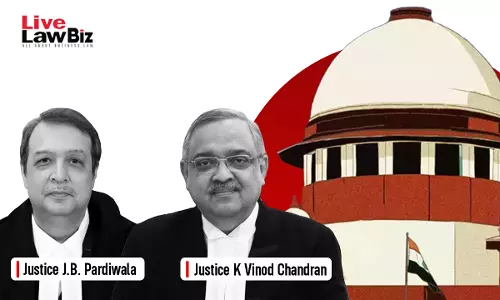
The Supreme Court on 19 August held that TVS Motor Company Limited was liable to pay service tax on referral charges it received from banks and an insurance company for facilitating vehicle loans and insurance policies, treating the charges as Business Auxiliary Service under the Finance Act, 1994. However, the Division Bench comprising Justices J.B. Pardiwala and K. Vinod Chandran set aside the penalty imposed on the company under Section 78 of the Finance Act, after finding that it had paid...

LiveLawBiz: Corporate Legal News Daily Round-Up: August 19, 2026
IBC Personal Insolvency Moratorium Does Not Stay Cheque-Bounce Proceedings Against Directors: Bombay High CourtNCLAT Restores Insolvency Petition Dismissed After Counsel Missed HearingMere Notice Seeking Reply In SFIO Investigation Application Not Appealable: NCLAT New DelhiNCLAT New Delhi Dismisses Chemstar Director's Appeal Against CIRP Admission Over ₹11.87 Crore ClaimNCLT Guwahati Admits IL&FS Insolvency Plea, Holds Pledged Shares Dispute No Defence To DefaultNCLAT Dismisses Byju...
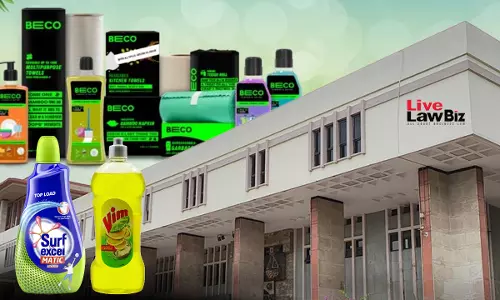
HUL Drags Beco To Delhi High Court Over Ads Claiming Surf Excel, Vim Cause Skin Allergies
The Delhi High Court on Wednesday issued notice to Beco in a product disparagement and trademark infringement suit filed by consumer goods giant Hindustan Unilever Limited (HUL)HUL moved the Court against Kwick Living (I) Private Limited, which runs the cleaning products brand Beco, alleging that Beco's advertisements disparage HUL's detergent brands Surf Excel and Vim by claiming they contain chemicals that cause skin irritation and allergies. Justice Anup Jairam Bhambhani heard extensive...