
DEBT RECOVERY LAWS
DRAT Chennai Upholds Order Allowing Bank To Take Possession Of Mortgaged Property Despite Later Payments
The Chennai Bench of the Debts Recovery Appellate Tribunal (DRAT) recently upheld an order permitting City Union Bank to take physical possession of a mortgaged property. It ruled that payments made by a borrower after recovery proceedings had commenced could not affect the validity of an order passed after complying with the requirements of the SARFAESI Act. The tribunal, comprising Chairperson Justice G. Chandrasekharan, dismissed an appeal filed by Gelind Tech Consultants. “Subsequent...
NCLAT Appeal Not A Bar On Swiss Challenge Auction By Bank: Madras High Court
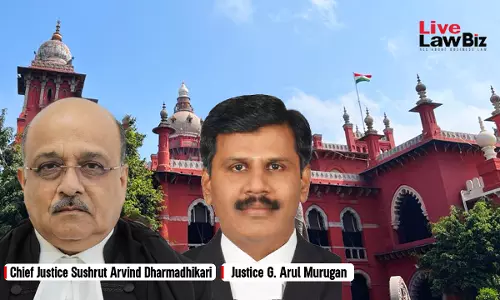
The Madras High Court on 22 June held that the pendency of an appeal before the NCLAT does not, by itself, bar a bank from proceeding with the transfer of loan exposure or auction of secured assets through the Swiss Challenge Method, reiterating that courts will not ordinarily interfere in commercial banking decisions unless they are shown to be arbitrary or illegal. A Division Bench comprising Chief Justice Sushrut Arvind Dharmadhikari and Justice G. Arul Murugan dismissed a plea challenging...
Lending Public Money Without Efforts To Recover It Is 'Not Acceptable'; SC Issues Notice On Plea Seeking Probe Into JKM Infra
Calling it a "deep-rooted nexus" between banks, Asset Reconstruction Companies (ARCs), and borrowers, the Supreme Court on Friday said it was "not acceptable" for public money to be lent and then not effectively recovered. The remarks came as the Court issued notice on a PIL seeking a court-monitored probe into the settlement of JKM Infra Projects Ltd's ₹1,537 crore debt for ₹73.50 crore through the ARC route. A vacation bench of Chief Justice Surya Kant and Justice V. Mohana heard the matter...

Karnataka High Court Upholds Special Court Attachment Under KPIDFE Act, Rejects Canara Bank Challenge
The Karnataka High Court on 10 June 2026 dismissed an appeal filed by Canara Bank against a Special Court order that had made absolute an interim attachment under the Karnataka Protection of Interest of Depositors in Financial Establishments Act, 2004 (KPIDFE Act). A Division Bench of Justices Anu Sivaramman and Venkatesh Naik T dismissed the appeal filed by Canara Bank and upheld the Special Court's order. It held that a secured creditor who has constructive notice of an attachment cannot...
Kerala High Court Sets Aside One-Line Dismissal Of Cheque Dishonour Appeal, Calls It 'Shocking'
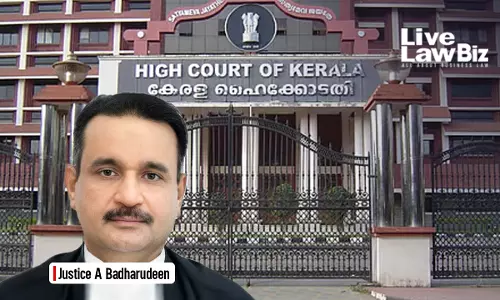
On 17 June, the Kerala High Court set aside an appellate court order that had dismissed a cheque dishonour appeal for default, holding that courts cannot dispose of criminal appeals against conviction mechanically merely because the appellant or counsel remains absent. Justice A. Badharudeen held that an appellate court must independently re-appreciate the evidence and pass a reasoned judgment while deciding an appeal against conviction and sentence. He held: “…a judgment in a criminal case,...

Calcutta High Court Quashes Criminal Case Against SBI Officials, Says Dispute Was Purely Civil
On 17 June, the Calcutta High Court held that criminal proceedings cannot be used to pressurise parties in disputes that are essentially civil in nature and must disclose the essential ingredients of the alleged offences before a Magistrate can take cognisance. Justice Ajoy Kumar Mukherjee quashed criminal proceedings initiated against two State Bank of India officials who had been accused of offences under Sections 120B, 420, 409, 467, 468 and 471 of the IPC in connection with the auction sale...
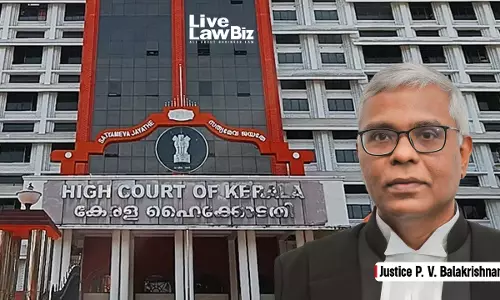
NTA Committee's Approval Not Needed Before SARFAESI Action Against Property Of Person With Disability: Kerala HC
The Kerala High Court has held that a secured creditor proceeding under the SARFAESI Act is not required to obtain prior permission from the Local Level Committee constituted under the National Trust Act before proceeding against property in which a ward (a person with specified disabilities) has an interest. Justice P.V. Balakrishnan made the observation while dismissing a writ petition challenging SARFAESI proceedings initiated by Canara Bank against secured assets in which the second...

Calcutta High Court Holds Prepayment And Contractual Charges Form Part Of 'Debt' Under RDB Act
The Calcutta High Court on 10 June held that prepayment charges, commitment charges and processing fees arising from a lending transaction constitute “debt” under Section 2(g) of the Recovery of Debts and Bankruptcy Act, 1993, and remain recoverable unless waived or extinguished, even after repayment of principal and interest. Justice Rai Chattopadhyay dismissed a writ petition filed by Maan Steel and Power Ltd challenging Indian Bank's refusal to release Fixed Deposit Receipts (FDRs) and issue...
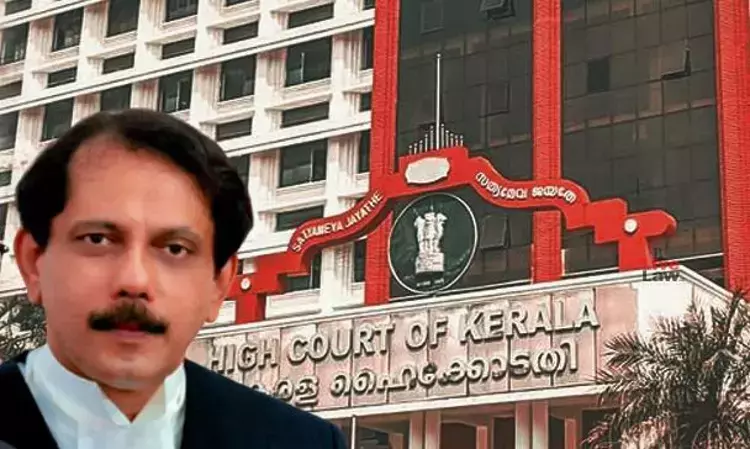
Cheque Bounce Cases Cannot Be Allowed To Degenerate Into 'Interminable Litigation': Kerala High Court
The Kerala High Court has observed that proceedings in cheque dishonour cases cannot be allowed to "degenerate into interminable litigation", while dealing with a complaint instituted in 2004 that remained pending for more than two decades. Justice C.S. Dias made the observation while dismissing a petition filed by the accused seeking to stay and quash the prosecution and directing the Trial Court to dispose of the complaint within two months. “The object of Chapter XVII of the Negotiable...

SC Refuses To Interfere With HC Orders Involving Law Firm In Chennai Metro Compensation Contempt Case
Observing that the case involved allegations of a "complete fraud played upon the judicial system," the Supreme Court on Tuesday declined to interfere with Madras High Court orders that brought law firm The Legal Attorneys and Barristers into contempt proceedings stemming from allegations that Samarpana Charitable Trust secured ₹13.18 crore in Chennai Metro Land acqusition compensation after concealing an existing mortgage and ongoing recovery proceedings from the Court.A bench comprising Chief...
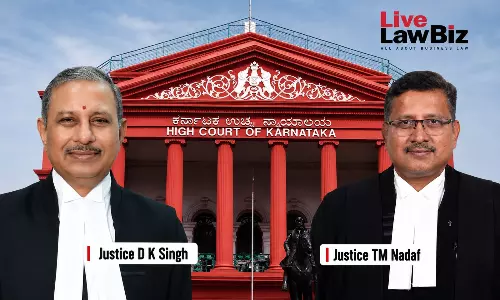
“Banks Are Dealing With Public Money”: Karnataka High Court Calls for Strict Adherence To RBI Guidelines
The Karnataka High Court recently observed that banks dealing with public money must exercise utmost caution while conducting their business and strictly follow RBI guidelines and internal circulars. The court warned that departures from prescribed procedures can adversely affect a bank's financial operations, create chaos in the banking system, and ultimately impact the country's economy. A Division Bench of Justice D.K. Singh and Justice T.M. Nadaf made the observation while setting aside...
DRT Chandigarh Sets Aside Indian Bank Auction, Awards Rs 30 Lakh Compensation To Auction Purchasers
The Chandigarh Debts Recovery Tribunal (DRT) has set aside Indian Bank's auction of two mortgaged plots secured against credit facilities availed by S.G.K. Industrial Corporation. The tribunal held that auctioning the plots as a single unit prejudiced the borrowers. It also found that the auction notice was not published 15 days before the sale. The Tribunal also directed the bank to pay Rs 30 lakh compensation to the auction purchasers and refund the sale consideration with interest, stamp...