
DEBT RECOVERY LAWS
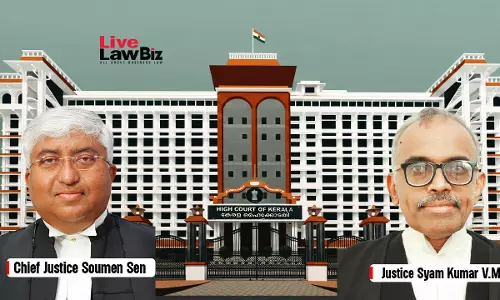
MSME Must Seek Rehabilitation Under 2015 Framework Despite Bank's Duty To Identify Stress: Kerala High Court
The Kerala High Court has held that an MSME must itself initiate proceedings under the 2015 Framework for Revival and Rehabilitation when it apprehends failure of its business or an inability to repay its debts.A division bench of Chief Justice Soumen Sen and Justice Syam Kumar V.M. made the observation while dismissing Sree Matha Cosmetic Industries' writ appeal against SARFAESI proceedings initiated by UCO Bank.“While the Framework casts an obligation for the Bank to identify the incipient...
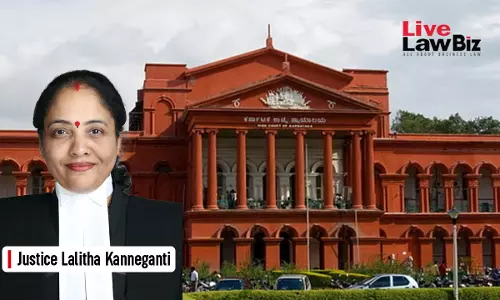
Company's Name Change Cannot Defeat Execution Of Decree Against It: Karnataka High Court
The Karnataka High Court has recently held that a change in a company's name does not affect the enforceability of a decree, holding that procedural law cannot be used to defeat substantial rights.Justice Lalitha Kanneganti made the observation while dismissing a writ petition filed by Lilly Labels challenging execution proceedings in a money recovery case brought by Sajawat Industries Ltd.“A change in the name of a company does not result in the creation of a new Juristic entity. The legal...

Civil Courts Cannot Injunct SARFAESI Measures; 'To Be Taken' Includes Future Action: Calcutta High Court
The Calcutta High Court has held that civil courts cannot grant injunctions against measures already taken, or “to be taken," by banks under the SARFAESI Act.The court held that Section 34 of the SARFAESI Act imposes a wider bar on civil courts granting injunctions against any action taken or “to be taken” in pursuance of powers under the Act.“Whereas a suit or proceeding cannot be instituted if a notice under Section 13(4) of the SARFAESI Act, 2002 has been issued, the bar to grant of...
Andhra Pradesh High Court Declines To Interfere With SARFAESI Action, Cites Alternative DRT Remedy
Holding that a litigant with an effective statutory remedy before the Debts Recovery Tribunal cannot ordinarily invoke the High Court's writ jurisdiction, the Andhra Pradesh High Court dismissed a writ petition challenging a Canara Bank communication concerning unhypothecated machinery at an auctioned property. The decision was rendered by a Division Bench of Justice Battu Devanand and Justice A. Hari Haranadha Sarma. The court observed, "From the above factual position, it is evident that an...
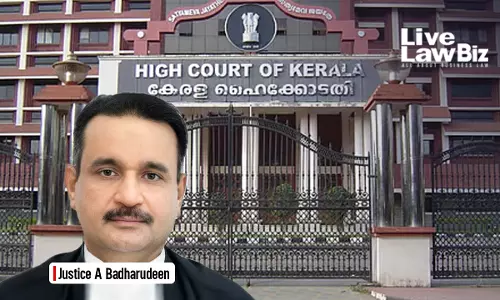
Different Inks On Cheque Do Not Make It Invalid, Cast Doubt On Execution: Kerala High Court
The Kerala High Court has held that a cheque cannot be treated as invalid merely because its signature and other particulars were written in different inks. Justice A. Badharudeen observed that there is no legal requirement for the date, amount, and signature on a cheque to be written in the same ink.“Merely because the signature was put by using one ink and entries were made by using another ink by itself would not make the negotiable instrument as an invalid document or a document to doubt its...
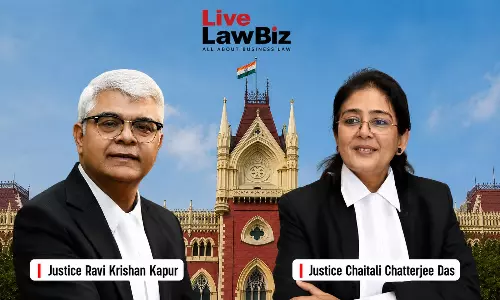
'Even The Bald Want A Haircut': Calcutta High Court Slams Borrowers' Repeated Bid To Sell Secured Assets
The Calcutta High Court has criticised borrowers of South Indian Bank for repeatedly seeking permission to sell all their immovable properties without the bank's interference, calling the attempts “commercially imprudent” and “mischievous”.A division bench of Justice Ravi Krishan Kapur and Justice Chaitali Chatterjee (Das) observed,“The repeated attempts of the borrowers to seek permission to sell all their immovable properties without any interference from the appellant bank is not only...
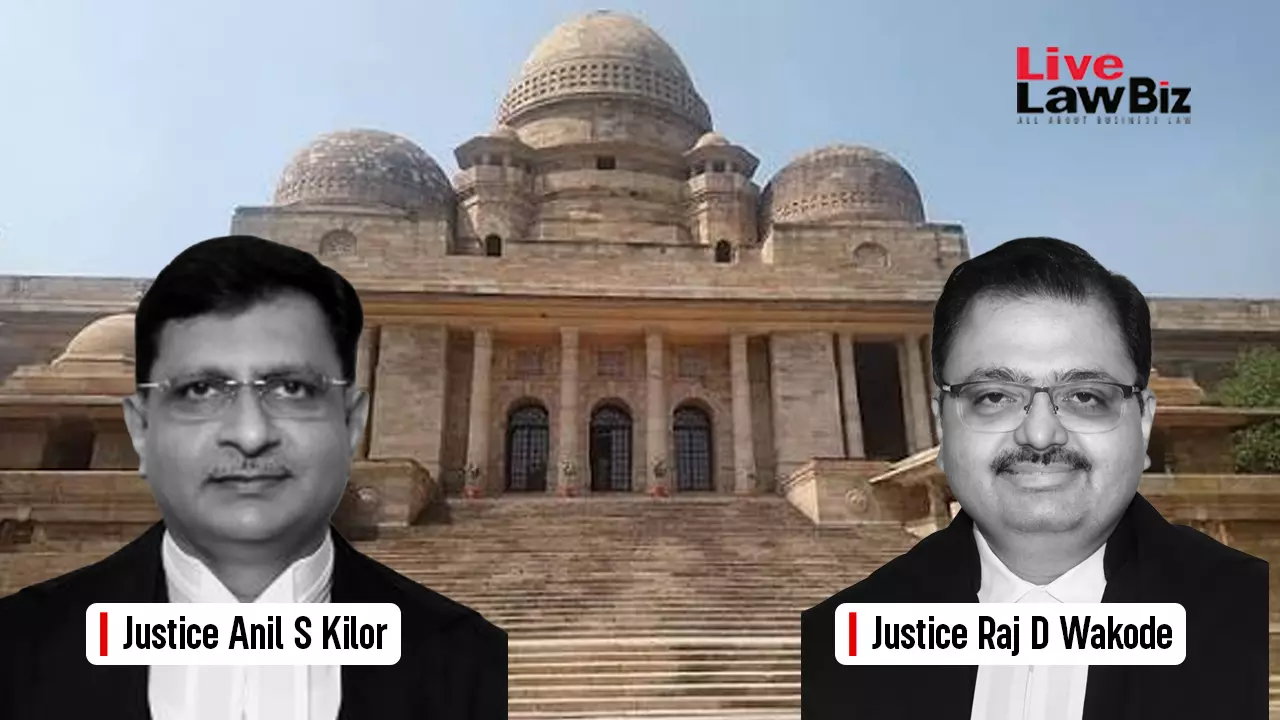
Bombay High Court Recommends Removal Of DRT Nagpur Presiding Officer, Finds He Lacks Basic Legal Knowledge
The Bombay High Court at Nagpur on Thursday recommended that the Union government immediately remove Presiding Officer Pankaj Kumar from the Debt Recovery Tribunal (DRT), Nagpur. The bench found him unfit to continue in office and noted his wilful disobedience of the court's directions.Justices Anil S. Kilor and Raj D. Wakode, while recommending his removal, observed that Kumar was unfit to continue in the position."...the present respondent is not suitable for adorning the post of...

SARFAESI Sale Certificate Need Not Certify Physical Possession Or No Encumbrances: Calcutta High Court
The Calcutta High Court on 28 July held that a sale certificate issued under the Securitisation and Reconstruction of Financial Assets and Enforcement of Security Interest (SARFAESI) Act need not record that the auctioned property is free from encumbrances or that physical possession has been delivered, as physical possession can be obtained even after issuance of the sale certificate. A Division Bench of Justices Sabyasachi Bhattacharyya and Supratim Bhattacharya modified the Civil Judge's...
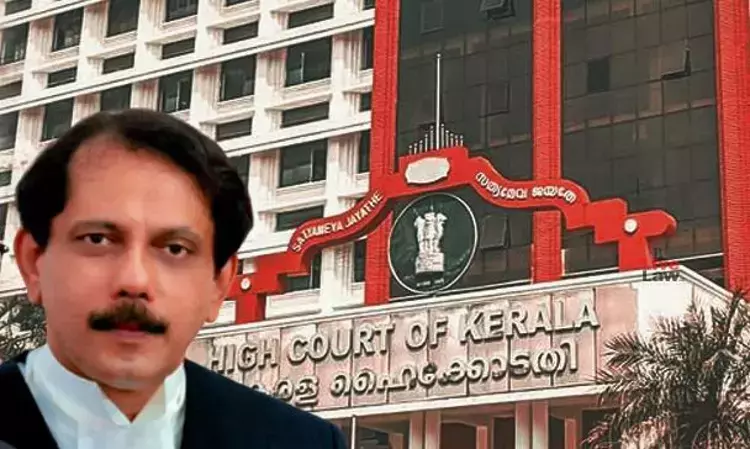
Kerala High Court Refuses To Quash Cheque Dishonour Complaint Over Defect In Cause Title
The Kerala High Court has held that a cheque dishonour complaint cannot be quashed merely because the authorised representative's name appears before the complainant society's name in the cause title. Holding that such an objection was only technical, the court observed, "As held by the Hon'ble Supreme Court in Bhupesh Rathod's case (supra), such a defect, if at all, is merely technical and cannot defeat an otherwise maintainable prosecution." Justice C.S. Dias delivered the ruling while...
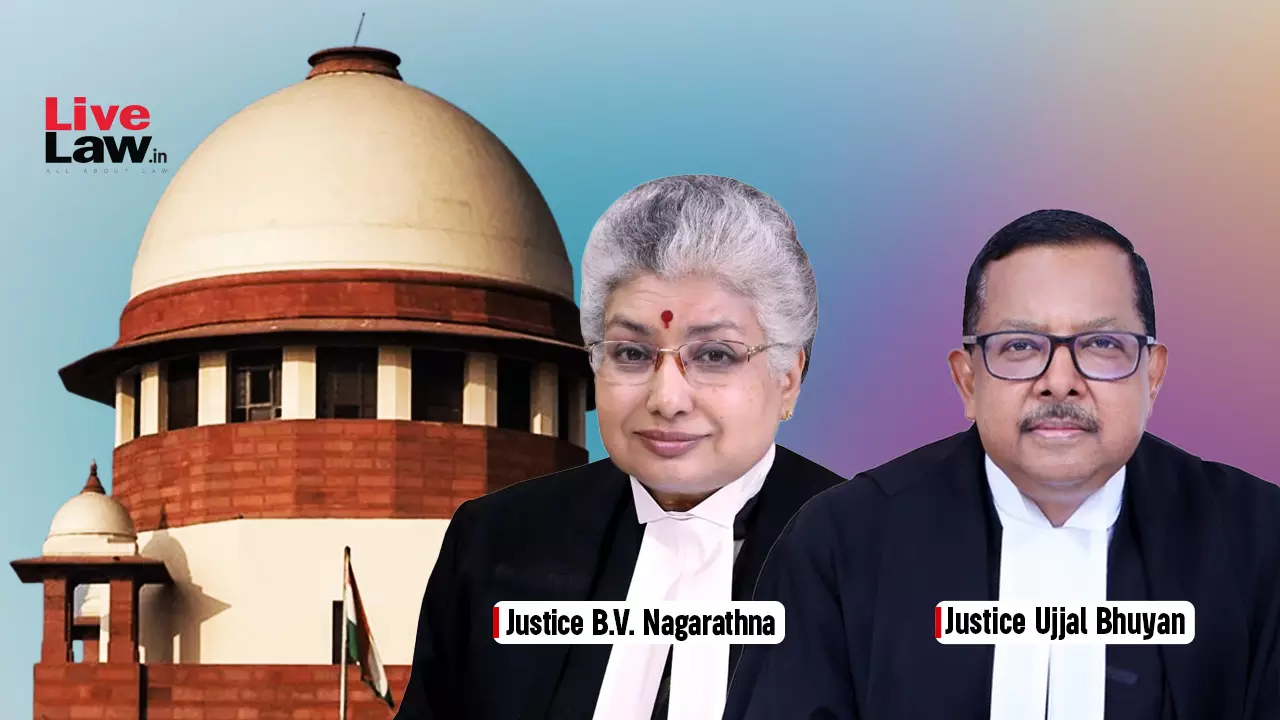
Mere Denial Can't Rebut Cheque Bounce Presumption, Accused Must Produce Probable Evidence: Supreme Court
The Supreme Court on Tuesday ruled that simply denying liability is not enough to rebut the statutory presumptions available to a complainant in a cheque bounce case. Once the execution of a cheque or the signature on it is admitted, the burden shifts to the accused, who must place probable material on record to show that no legally enforceable debt or liability existed.A Division Bench of Justice B.V. Nagarathna and Justice Ujjal Bhuyan observed,"A bare denial of the passing of any...
CJM Can Entertain Fresh SARFAESI Plea For Possession If Borrower Re-Enters Secured Asset: Kerala High Court
The Kerala High Court has ruled that a Chief Judicial Magistrate (CJM) exercising powers under Section 14 of the SARFAESI Act does not become functus officio after handing over possession of a secured asset to a secured creditor. The court held that the Magistrate can entertain a fresh request for assistance if the secured creditor is later unlawfully dispossessed of the secured asset.For context, Section 14 empowers a Chief Judicial Magistrate to assist a secured creditor in taking possession...
Delay Condonation Under NI Act Cannot Be Used To Cure Fatal Defects: Supreme Court
The Supreme Court has ruled that the power to condone delay in taking cognizance of a complaint under the Negotiable Instruments Act cannot be used to cure a complaint suffering from a fatal defect. The court observed that such power cannot be invoked to circumvent the Act by allowing fatal defects to be rectified during the proceedings when the complaint itself deserved dismissal at the threshold.A Division Bench of Justices Manoj Misra and Vijay Bishnoi observed,"No doubt, the Court empowered...