
High Courts
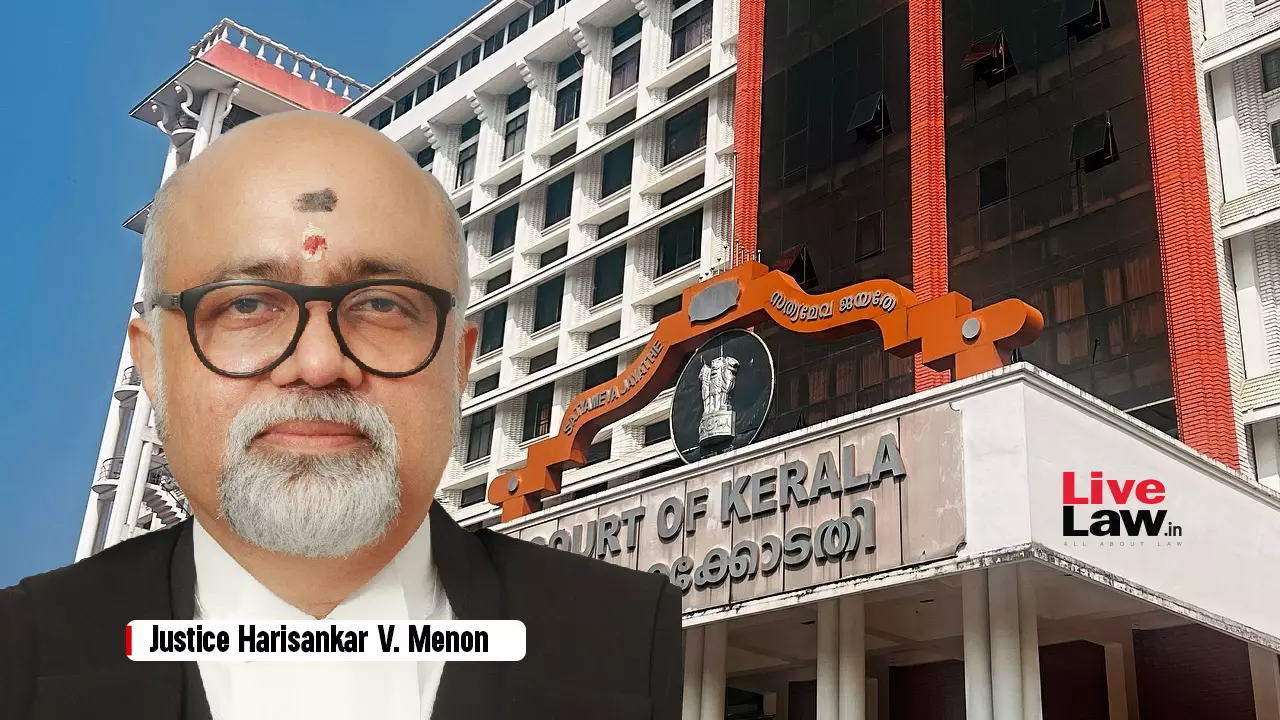
Kerala High Court Expunges NCLT's Adverse Remarks Against Union Bank, Sets Aside ₹1 Lakh Cost
The Kerala High Court has expunged adverse observations made by the National Company Law Tribunal, Kochi Bench, against Union Bank of India over errors in an application seeking withdrawal of insolvency proceedings. The court also held that the bank would not be required to deposit the ₹1 lakh cost imposed by the tribunal.Justice Harisankar V. Menon observed that the bank had made mistakes in the application. These included invoking the wrong provision and not placing the settlement proposal...
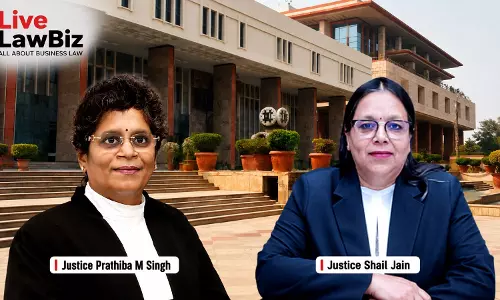
Advocates Acting As Insolvency Professionals Must Register Under GST, Pay Under Forward Charge: Delhi High Court
The Delhi High Court on Thursday held that advocates rendering services as insolvency professionals must obtain GST registration, ruling that such services are subject to the forward charge mechanism and not the reverse charge mechanism applicable to legal services provided by advocates. A bench of Justices Pratibha M. Singh and Shail Jain passed the judgment on a petition filed by advocate Kanwal Chaudhary challenging an Insolvency and Bankruptcy Board of India (IBBI) order dated March 9,...
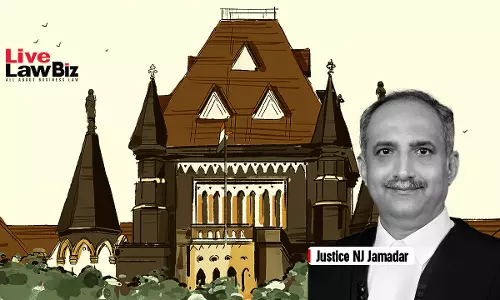
Bombay High Court Sentences Insolvent To Jail For Concealing Bank Accounts, Rejects Limitation Defence
The Bombay High Court on 7 August held insolvent Pallav Sheth guilty of contempt under Section 33(4) of the Insolvency Act, 1909 for wilfully failing to disclose his assets and bank accounts to the Official Assignee, and sentenced him to one month's simple imprisonment with a fine of Rs. 2,000, with one week's further imprisonment in default. Justice N.J. Jamadar observed that an insolvent who makes positive statements on oath concealing assets and bank accounts cannot later invoke limitation...
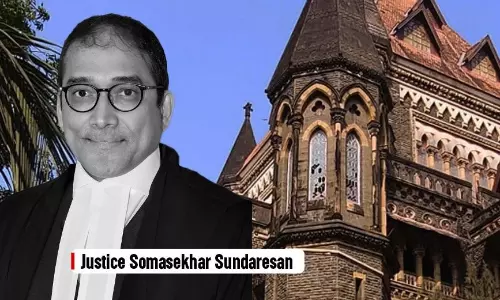
IBC Amendment Removing Interim Moratorium For Personal Guarantors Applies To Pending Cases: Bombay High Court
The Bombay High Court has ruled that a recent amendment removing the automatic interim moratorium available to personal guarantors to corporate debtors under the Insolvency and Bankruptcy Code applies even to pending insolvency proceedings.Justice Somasekhar Sundaresan observed that the amendment, which took effect on May 26, 2026, applies to pending proceedings and operates retroactively, not retrospectively. Rejecting the guarantors' argument that the change applies only to fresh filings, the...
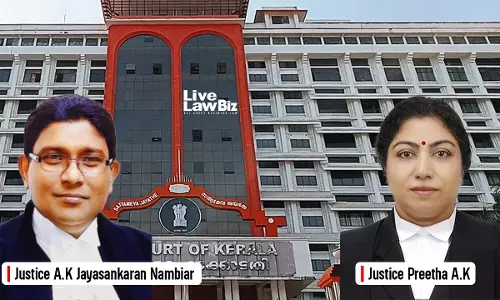
KSEB Cannot Demand Previous Owner's Power Dues From Auction Purchaser: Kerala High Court
The Kerala High Court on Tuesday held that the Kerala State Electricity Board (KSEB) cannot insist that an auction purchaser of the assets of a company in liquidation clear the previous consumer's electricity arrears as a condition for obtaining a fresh electricity connection.A Division Bench of Justice A.K. Jayasankaran Nambiar and Justice Preeta A.K. ruled that the Electricity Act, 2003, the Kerala Electricity Supply Code, 2005; and the KSEB Terms and Conditions of Supply, 2005 do not...
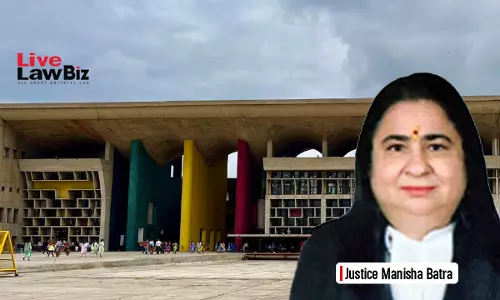
IBC Moratorium Won't Extinguish Directors' Criminal Liability For Cheque Bounce: Punjab & Haryana HC
The Punjab and Haryana High Court on 20 July held that the moratorium under the Insolvency and Bankruptcy Code, 2016 (IBC) cannot extinguish a director's criminal liability for dishonour of cheques issued before commencement of insolvency proceedings against the company. Justice Manisha Batra dismissed a petition filed by Ajay Gupta seeking quashing of proceedings under Section 138 of the Negotiable Instruments Act, 1881 (NI Act) for cheque dishonour, holding that subsequent insolvency and...
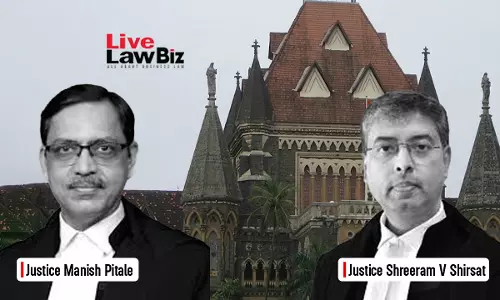
Sale Certificate Issued By Liquidator In IBC Auction Exempt From Registration, Stamp Duty: Bombay High Court
The Bombay High Court has held that a liquidator conducting a public auction under the Insolvency and Bankruptcy Code (IBC) qualifies as an officer under the Registration Act. Therefore, a sale certificate issued during such an auction is exempt from compulsory registration and stamp duty.The exemption continues so long as only a copy of the sale certificate is filed with the registering authority. Stamp duty becomes payable only if the purchaser later seeks to use the sale certificate for any...

IBBI Chairperson Cannot Act As Disciplinary Committee Under IBC: Calcutta High Court
The Calcutta High Court on 16 July held that the Chairperson of the Insolvency and Bankruptcy Board of India (IBBI) cannot act as the Disciplinary Committee under the Insolvency and Bankruptcy Code (IBC), as the Committee can consist only of Whole-Time Members of the IBBI. Justice Shampa Sarkar allowed the petition filed by Sashi Agarwal, an Insolvency Professional, and set aside the IBBI order cancelling his registration under Section 220(2) of the IBC, which empowers the Disciplinary...
IBC Cannot Be Used to Validate Illegal Constructions Or Defeat Town Planning Laws: NCLAT
The National Company Law Appellate Tribunal (NCLAT) in Delhi has held that while a corporate debtor's subsisting contractual and development rights under a hire-purchase agreement may constitute assets under the Insolvency and Bankruptcy Code (IBC), the insolvency process cannot be used to legitimise unauthorised construction or defeat statutory town planning laws. A bench of Judicial Member Justice Mohd. Faiz Alam Khan and Technical Member Naresh Salecha observed: “We emphasise that...
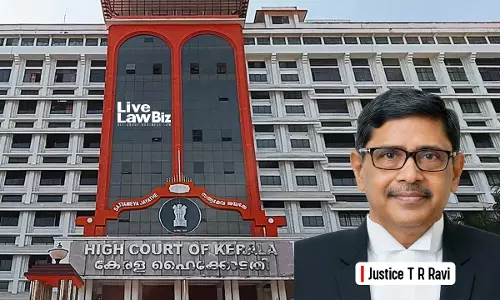
Article 227 Cannot Be Used To Bypass NCLAT Remedy Against NCLT Orders: Kerala High Court
The Kerala High Court on 14 July held that parties cannot invoke the High Court's supervisory jurisdiction under Article 227 of the Constitution to challenge orders passed by the National Company Law Tribunal (NCLT) when the Insolvency and Bankruptcy Code, 2016 provides an effective statutory appellate remedy before the National Company Law Appellate Tribunal (NCLAT). Justice T.R. Ravi dismissed a petition filed by Erattupetta Municipality, observing: “When a person chooses not to take any...
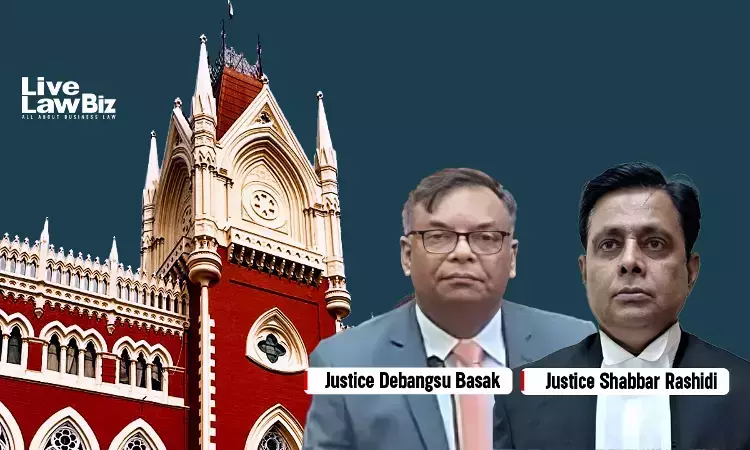
Suit Filed During IBC Interim Moratorium Attracts Rejection Of Plaint Provision Under CPC: Calcutta High Court
The Calcutta High Court has held that a court cannot entertain a suit instituted during the operation of an interim moratorium under the Insolvency and Bankruptcy Code where the statutory bar applies. It ruled that once the embargo is brought to the court's notice, the court must act in accordance with the law. Where the statutory conditions are met, the plaint must be rejected. A division bench of Justice Debangsu Basak and Justice Md. Shabbar Rashidi set aside a February 5, 2026 judgment of...