
Section 101 IBC Moratorium Temporary, Creditors Free To Recover After Expiry: Delhi High Court
Rupali jain
21 April 2026 5:32 PM IST
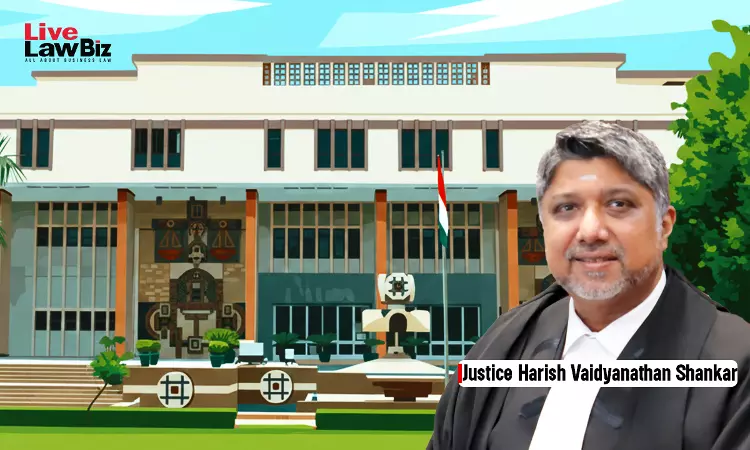
The Delhi High Court on 13 April held that the moratorium under Section 101 of the Insolvency and Bankruptcy Code, 2016 (IBC) in personal insolvency is temporary and time-bound, and once it ceases, creditors regain the right to pursue recovery and execution proceedings.
Justice Harish Vaidyanathan Shankar made this observation while allowing continuation of execution proceedings in Vistra ITCL (India) Ltd. v. Pranav Ansal & Anr., where the decree holder sought to recover an arbitral award exceeding Rs. 385 crore by attachment and sale of the judgment debtor's properties. He held:
“The statutory embargo operating during the subsistence of the moratorium under Section 101 of the IBC is temporary in nature and is intended only to preserve the estate of the debtor during the pendency of the insolvency resolution process. Once the moratorium ceases to operate, the bar against institution or continuation of proceedings stands lifted, thereby restoring to creditors their ordinary remedies in law.”
The issue before the Court was whether execution proceedings could continue despite the pendency of a Personal Insolvency Resolution Process (PIRP) against the judgment debtor. The judgment debtor argued that permitting such proceedings would disrupt the insolvency framework and prejudice other creditors awaiting resolution under a proposed repayment plan.
Rejecting this contention, the Court held that Section 101 imposes only a limited moratorium aimed at preserving the debtor's estate during the insolvency process. It emphasised that the provision does not create an absolute or indefinite bar on proceedings.
The Court noted that the moratorium ceases either upon expiry of 180 days from admission of the insolvency application or upon the adjudicating authority passing an order on the repayment plan under Section 114, whichever is earlier. It held that courts cannot extend this period beyond what the statute expressly provides.
The Court further observed that accepting the judgment debtor's plea to continue the stay until approval of the repayment plan would amount to judicially extending the moratorium, which the statutory scheme does not permit.
Distinguishing personal insolvency from corporate insolvency, the Court held that unlike Section 14 of the IBC governing the Corporate Insolvency Resolution Process (CIRP), Section 101 is inherently time-bound and does not allow continuation of the moratorium until completion of the process.
Accordingly, the Court permitted continuation of execution proceedings and allowed attachment of the identified properties of the judgment debtor.
For the Decree Holder: Advocates Sidhant Kumar, Anushka Shah and Ekssha Kashyap
For the Judgment Debtor: Advocates Malak Bhatt, Neeha Nagpal, Sukanya Joshi & Saahil Bahety