
Interrogatories Maintainable In Oppression & Mismanagement Cases Before Company Law Board: Delhi High Court
Shilpa Soman
2 July 2026 7:12 PM IST
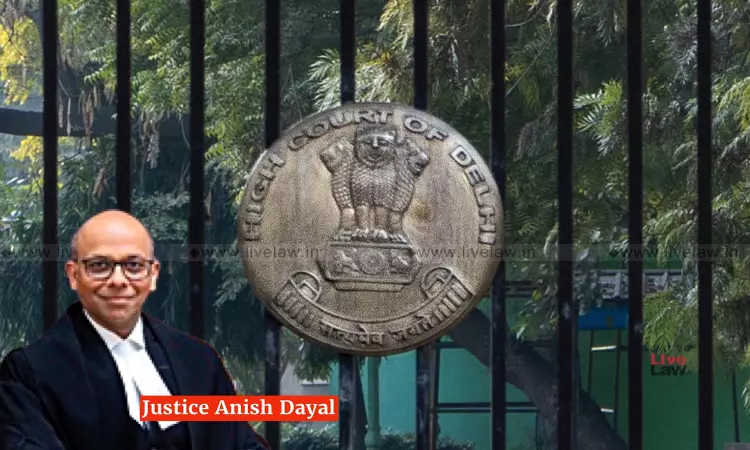
The Delhi High Court on Wednesday held that interrogatories are maintainable in oppression and mismanagement proceedings before the Company Law Board (now NCLT), observing that such discovery mechanisms help elicit material facts and shorten prolonged trials.
A coram of Justice Anish Dayal held that interrogatories cannot be rejected merely on the ground of delay if they are relevant to the issues in dispute and are neither vexatious nor oppressive.
Interrogatories are a set of written questions that one party asks the other during legal proceedings to obtain information or admissions relevant to the dispute.
“On the question of law, it is evident that sufficient power has been conferred under the Companies Act upon the CLB to exercise powers akin to those vested under the CPC, including discovery and inspection of documents. This is further reinforced by Rule 6 of the 1959 Rules, which makes the provisions of the CPC applicable as far as may be. Reference may also be made to Section 477(2) and Regulation 24 of the 1991 Regulations, as well as the inherent powers of the Bench under Regulation 44 of the 1991 Regulations," it observed
The appeal arose from an order of the CLB rejecting an application filed by minority shareholders of BHP Engineers Private Limited seeking interrogatories in an oppression and mismanagement petition.
The appellants had alleged siphoning of funds and mismanagement by the company's management. They contended that they were denied permission to inspect company records, following which they sought interrogatories.
They argued that the interrogatories had a direct nexus with the disputes raised in the company petition and were necessary to ascertain the truth of the respondents' claims.
The respondents opposed the application, contending that the interrogatories amounted to a “fishing and roving enquiry” and that a detailed inspection had already been conducted.
Accepting this objection, the CLB rejected the application, holding that the interrogatories were belated and could not be used to conduct a fishing enquiry. Aggrieved, the minority shareholders approached the High Court in appeal.
The Court observed that the interrogatories sought specific information regarding the sale of the company's plant and machinery, purchase of alternate land in the name of a related entity, reasons for cessation of business since 2006, and whether there was any agreement for sale of the company's assets.
It noted that the Companies Act and the applicable procedural rules empower the CLB to exercise powers similar to those of a civil court in matters relating to discovery and inspection of documents.
“This is further reinforced by Rule 6 of the 1959 Rules, which makes the provisions of the CPC applicable as far as may be. Reference may also be made to Section 477(2) and Regulation 24 of the 1991 Regulations, as well as the inherent powers of the Bench under Regulation 44 of the 1991 Regulations.” it added
The court said that the purpose of interrogatories under Order XI of the Civil Procedure Code is to obtain admissions on material facts and secure relevant information to avoid protracted enquiries.
Referring to precedents, the court noted that interrogatories may be permitted if their answers help establish a party's case or disprove the opponent's case, provided they are relevant to the dispute.
On delay, the Court held that there was no material delay in filing the application, noting that it had been filed in 2013 and was not pursued earlier due to ongoing settlement efforts between the parties.
“From a perusal of the interrogatories as sought above, in the opinion of the Court, they don't seem to be reasonable or vexatious or oppressive or scandalous and therefore, there is no reason why any of these interrogatories be set aside or struck out.” it concluded
Accordingly, the Court disposed of the appeal and directed the respondents to answer the interrogatories within eight weeks.
For Appellants: Advocates M Prachi Johri and Sachin Jain
For Respondents: Advocate Sumit K Batra, Standing Counsel (OL)