
Delhi High Court
Mere Delay In Uploading Demand Order On GST Portal Doesn't Make Action Time Barred If Service Via Email Is Proved: Delhi High Court
The Delhi High Court recently observed that usually there is a gap between the passing of a demand order by the GST Department and uploading of Form DRC-07 (summary of order) on the official portal.A division bench of Justices Prathiba M. Singh and Shail Jain however refused to infer such a gap as rendering the demand order time-barred, in view of the fact that the demand was served upon the assessee in question via email.The bench observed,“Prima-facie this Court is of the opinion that e-mail...
Failure To Frame Counter Claim As An Additional Issue When It Forms Part Of Pleadings Is Patently Illegal: Delhi High Court
The Delhi High Court Bench of Justice Jasmeet Singh has observed that once the reasons/basis for a counter claim, the amount and computation of the counter claim had been made in the Reply, it does not matter if there is no specific prayer in the prayer clause. In such a scenario, an arbitral award refusing to frame an issue for the counter claim would be patently illegal and would be against the fundamental policy of Indian Law. Facts The present petition was filed under section...
Interim Injunction U/S 9 Of Arbitration Act Cannot Be Granted To Prevent Convening Of Meeting For Removal Of Director: Delhi High Court
The Delhi High Court bench of Justices Anil Kshetarpal and Harish Vaidyanathan Shankar has observed that an interim injunction under section 9, Arbitration and Conciliation Act, 1996 (“ACA”) cannot be granted to prevent convening of extraordinary general meeting for removal of a director as it effectively amounts to grant of final relief and impinges upon statutory powers conferred to a Company under the Companies Act, 2013. Facts The present appeals were filed by the Appellant...
Timeline Prescribed For Filing Statement Of Defence Under Rule 18(3) Of Indian Council Of Arbitration Rules Is Directory In Nature: Delhi HC
The Delhi High Court bench of Justice Manoj Jain has held that the timeline prescribed under Indian Council of Arbitration Rules, 2024 for filing a Statement of Defence by the respondent is directory in nature and can be extended by the Arbitral Tribunal if a sufficient cause is established. The Petitioner challenges an order passed by the Arbitral Tribunal by which it declined to accept the request of the petitioner to close the respondent's rights to file a statement of defence or ...
Post-Termination Restrictive Covenants In Employment Contracts Are Void U/S 27 Of Contract Act: Delhi High Court
The Delhi High Court bench of Justice Jasmeet Singh has held that post-service restrictive covenants in employment contracts, which operate after cessation of employment, are void and are not enforceable under Section 27 of the Indian Contract Act, 1872 (“Contract Act”) and violate Article 19(1)(g) of the Constitution. The court vacated the injunction granted in an application under section 9 of the Arbitration and Conciliation Act, 1996 (“Arbitration Act”), which restrained the...
[Section 223 BNSS] Cognizance On ED Complaint Can't Be Taken Without Hearing Accused: Delhi High Court
The Delhi High Court has observed that special court cannot take cognizance of the complaint filed by Enforcement Directorate (ED) without giving opportunity of hearing to the accused.Justice Ravinder Dudeja set aside a special judge order dismissing the application of an accused in a PMLA case seeking a pre cognizance hearing in the money laundering case in terms of proviso to Section 223 of the Bharatiya Nagarik Suraksha Sanhita, 2023.The Court said that the impugned order failed to...
Consideration Paid To Foreign Company For Use Of Computer Software Not 'Royalty', No TDS Liability: Delhi High Court
The Delhi High Court has reiterated that consideration paid by an Indian entity to a foreign company for the resale/ use of their computer software is not 'royalty'.A division bench of Justices V. Kameswar Rao and Vinod Kumar thus held that the Indian entity is not liable to deduct TDS in such cases.The bench in this regard relied on Engineering Analysis Centre of Excellence Pvt. Ltd. v. The Commissioner of Incometax & Another (2021) where the Supreme Court had held that amounts paid by...
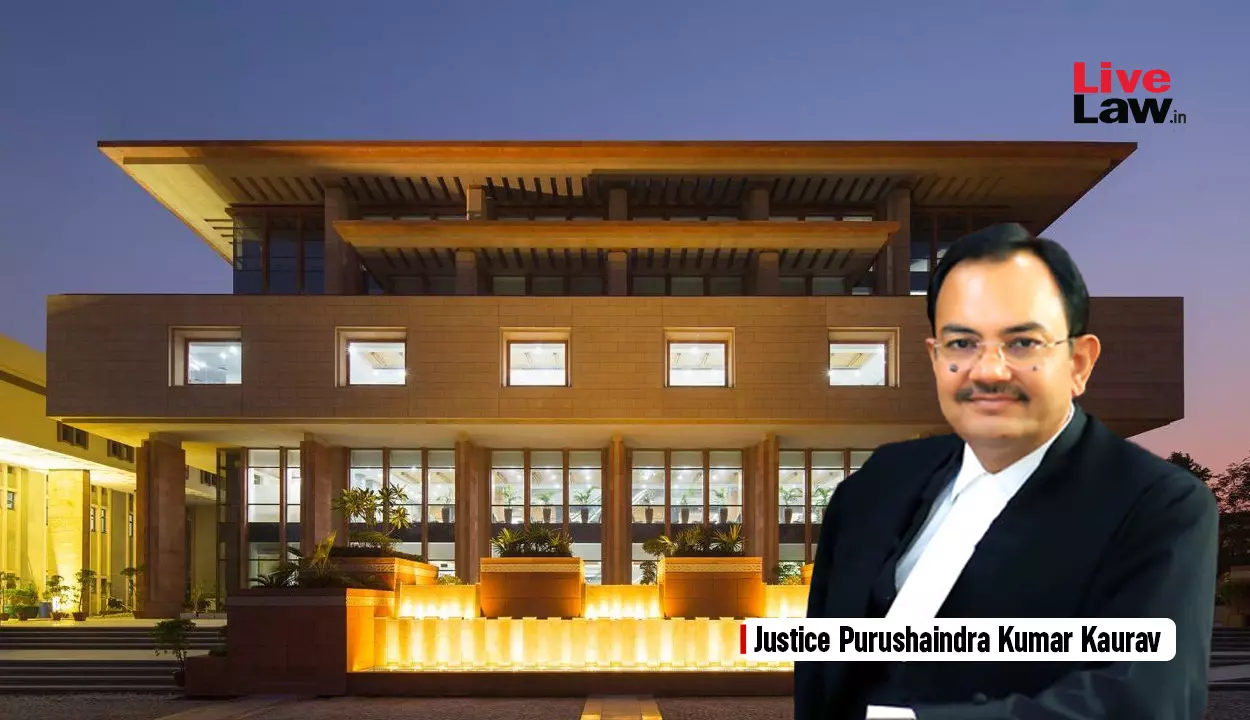
Court Must Scrutinise Invocation Of Expression 'Urgent Interim Relief' By Litigants U/S 12A Of Commercial Courts Act: Delhi High Court
The Delhi High Court has held that the expression “contemplates urgent interim relief” under Section 12A of the Commercial Courts Act 2015 though not defined under the statute, demands a rigorous scrutiny of commercial suits bypassing mandatory mediation to ensure that the benefit of exemption under the provision is not misused by unscrupulous litigants.For context, Section 12A mandates mediation before the institution of a commercial suit.Sub-section (1) thereof carves out an exception in suits...
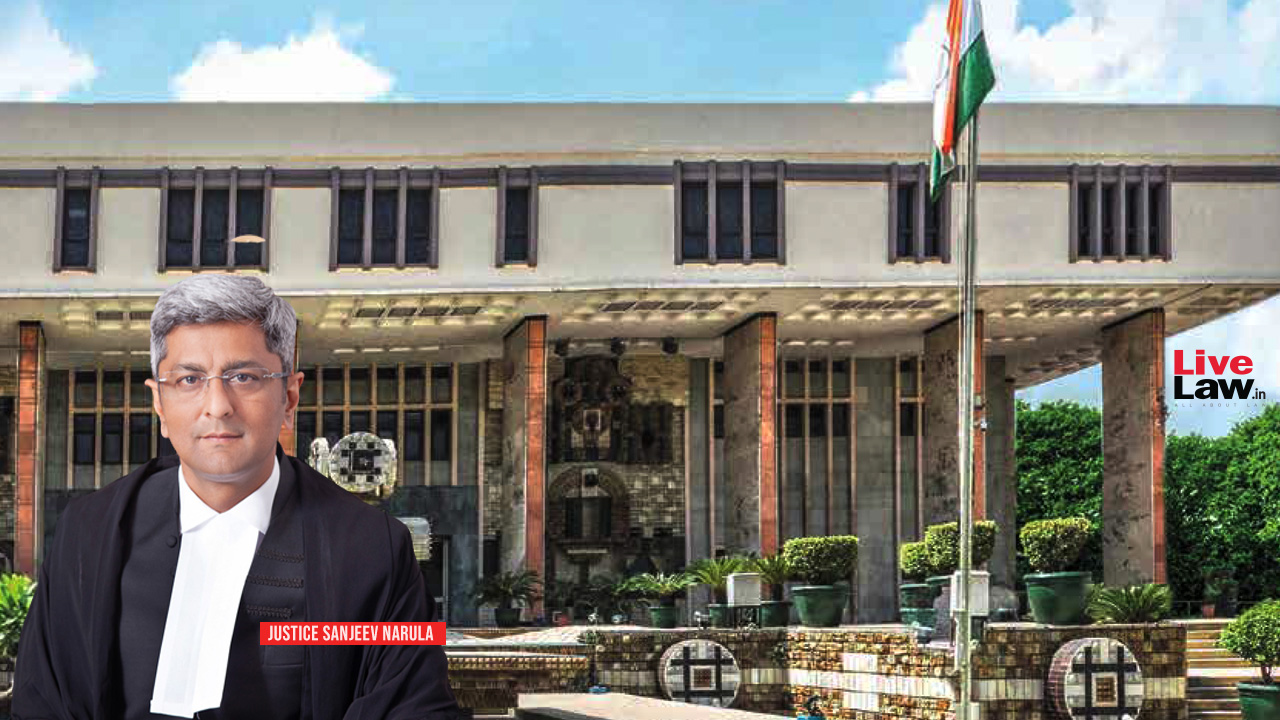
OYO Approaches Delhi High Court Challenging Arbitral Award In Co-Working Space Lease Dispute Against Lenskart
Oyo has filed a section 34 petition before the High Court of Delhi, challenging a few portions of an arbitral award passed in the dispute between Oyo and Lenskart (“Oyo Hotels and Homes Pvt Ltd v. Lenskart Solutions”) pertaining to the termination of a co-working space lease during the COVID-19 pandemic. In the arbitral proceedings, Oyo was partially successful and has filed the Section 34 petition to set aside the arbitral tribunal's finding concerning compensation for the lock-in period...
Parties' Decision To Transact Goods In 'Sound Condition' Prevails Over Prior Agreement To Transact On 'As Is Where Is' Basis”: Delhi HC
The Delhi High Court bench of Justices Anil Kshetarpal and Justice Harish Vaidyanathan Shankar while upholding an arbitral award has observed that if the parties had agreed to transact goods on 'as is where is' basis in the tender document but agreed in the acceptance letter that the goods would be transacted on 'sound condition' basis, then the earlier agreement will stand substituted by the latter understanding between the parties and the goods will be transacted on 'sound condition'...
Delhi High Court Imposes ₹50K Cost On Trader Who Missed Personal Hearing After Failing To Check GST Portal
The Delhi High Court recently refused to interfere with a GST demand raised against a trader, who failed to either appear for personal hearing or even file a reply.Though the trader sought to contend that reply could not be filed as he is not a frequent visitor to the GST portal, a division bench of Justices Prathiba M. Singh and Renu Bhatnagar said,“It is a matter of practice of the GST Department that the notices for personal hearing and notices for replies to be filed are all uploaded on the...
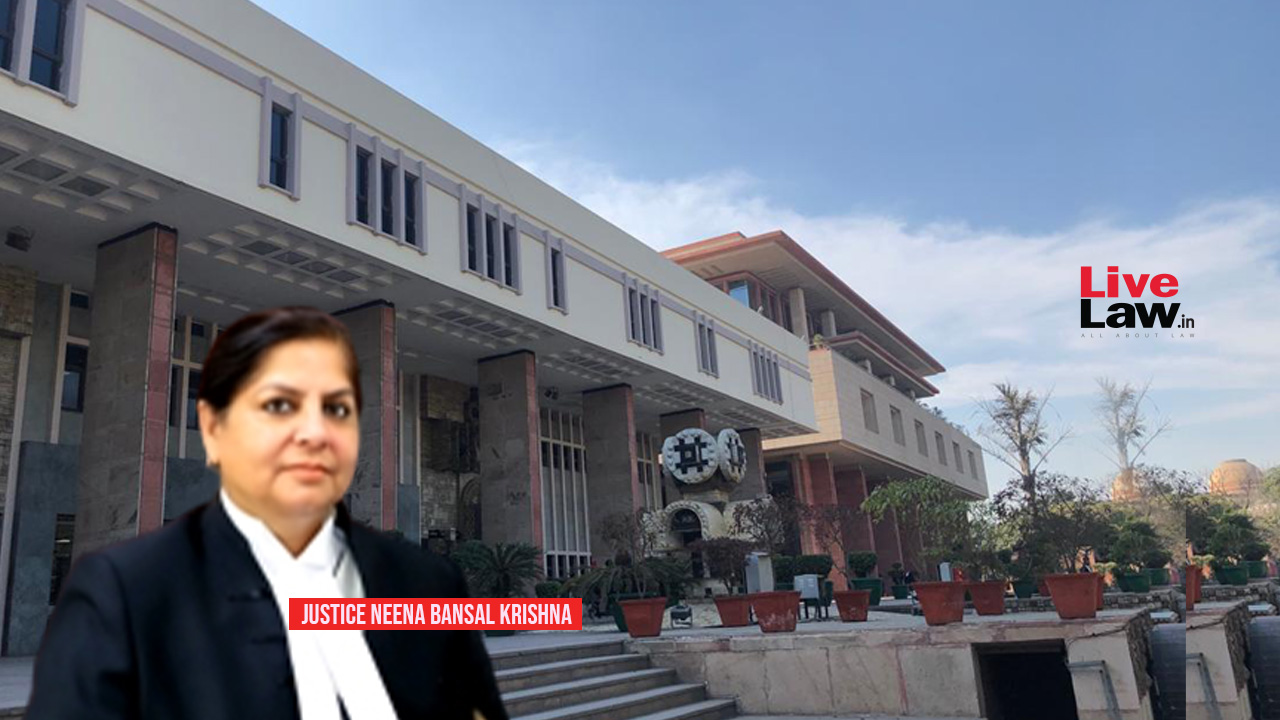
Income Tax Act | Criminal Complaint For Tax Evasion Filed During Pendency Of Reassessment Proceedings Not Premature: Delhi High Court
The Delhi High Court recently dismissed a plea for quashing a criminal complaint lodged under Income Tax Act 1961 for alleged tax evasion, moved on the ground that reassessment action was pending and hence the complaint was premature.The bench of Justice Neena Bansal Krishna cited P. Jayappan vs. S.K. Perumal, First Income Tax Officer [1984] where it was held that pendency of re-assessment proceedings cannot act as a bar to the institution of criminal prosecution for the offences under Section...