
Asset Transfers To Defeat Creditors During Liquidation Are Void As Fraudulent Preference: Bombay HC
Shilpa Soman
5 July 2026 9:01 AM IST
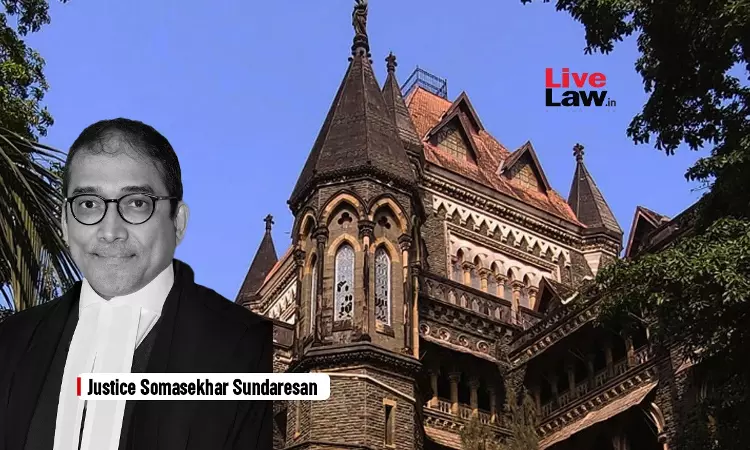
The Bombay High Court on 25 June held that a transfer of company property made during liquidation proceedings to promoters, without valid consideration and without a registered instrument, constitutes a fraudulent preference under Section 531(1) of the Companies Act, 1956, when it operates to defeat creditors' rights.
Justice Somasekhar Sundaresan allowed an Official Liquidator's Report, and declared the transfer of agricultural land in favour of the promoters of Indage Vineyard Pvt Ltd void, and directed revenue authorities to reverse the mutation entries within four weeks. He observed:
“It is clear from a plain reading of the provision that any transfer of property, movable or immovable, would be deemed to be a fraudulent preference if it is effected within a period of six months before the commencement of the winding up”
The Official Liquidator challenged the transfer of agricultural land owned by Indage Vineyard Pvt Ltd. The company bought the land in 2008 for Rs. 84.5 lakh. In 2011, the promoters recorded the transfer in their favour through mutation entries in land records based on board and shareholder resolutions, without executing any registered sale deed. This mutation was made after a winding up petition had already been filed.
The Official Liquidator submitted that the promoters attempted to deal with the property and proposed to sell it to third parties, despite the asset forming part of the liquidation estate. The promoters initially defended the transfer but later contended that no valid transfer had taken place and that any proposed sale was intended only to raise funds to discharge liabilities and revive the company.
Rejecting these contentions, the Court held that no valid instrument of transfer existed and no consideration passed to the company. It further found that the promoters failed to establish the alleged loan adjustment or provide any material on valuation of either the debt or the property. It reiterated settled principles of company law and observed:
“The persons who entirely own the Company may claim to believe that the properties of the Company are indirectly and beneficially owned by them. However, such a proposition is contrary to first principles of company law, namely, that the assets of a company are not the assets of its shareholders but also, one must never forget that the stakeholders whose interests have to be balanced in the context of Section 531 of the Act are the creditors of the Company and the Promoters.”
The Bench held that the promoters eroded the liquidation estate by effecting an unsupported transfer in their own favour, thereby defeating the interests of creditors. It further noted that the promoters' attempt to create third-party interests through a proposed sale would have further complicated the recovery of assets during liquidation. Concluding on intent and effect, it observed:
“The only conclusion that one can draw is that the Promoters sought to place the Subject Property beyond the reach of the creditors in the course of the liquidation, and that too by helping themselves to it and thereafter by attempting to sell it further, and even asking the State officials to confirm in writing the basis in law for their refusal to effect further mutation entries.”
Accordingly, the High Court allowed the Official Liquidator's Report, declared the transfer void as a fraudulent preference, and directed the reversal of mutation entries within four weeks.
For Official Liquidator: Advocate Anirudh Hariani, Chetan Shelke, Dy. Official Liquidator
For Promoters: Advocates Amir Arsiwala, Ashwini Gawade and Tej Lapsiya