
High Court

Karnataka HC Holds Revised Return Mandatory For Lower VAT Claim, Rejects India Heritage Foundation's Plea
The Karnataka High Court on 8 July held that a taxpayer cannot seek a lower VAT rate during reassessment proceedings without first filing a revised return under the Karnataka Value Added Tax (KVAT) Act, and dismissed India Heritage Foundation, Bengaluru's revision petition seeking to reduce the VAT rate on iron and steel used in a works contract from 12.5% to 4%. A Division Bench of Justices S.G. Pandit and Rajesh Rai K relied on its earlier decision in Nandi Constructions v. State of Karnataka...

Bombay High Court Orders Registration Of Auction Purchaser's Sale Certificate, Quashes Sales Tax Attachment
The Bombay High Court has directed the Sub-Registrar to register an auction purchaser's sale certificate without insisting on a No Objection Certificate from the Sales Tax Department after finding that the secured creditor's claim took priority over the Department's tax dues. A division bench of Justices Manish Pitale and Shreeram V. Shirsat granted the relief to Neon Laboratories, which had purchased the property in an auction conducted by a bank under the SARFAESI Act. The court also...

Rent For Furniture In Commercial Lease Not Taxable As Deemed Sale: Telangana High Court
The Telangana High Court on 3 July held that rent received from leasing commercial buildings along with furniture, fixtures and other amenities cannot be taxed as a transfer of the right to use goods under the Andhra Pradesh Value Added Tax Act, 2005 (APVAT Act) or the Andhra Pradesh General Sales Tax Act, 1957 (APGST Act), where the transaction is essentially one of renting immovable property and no exclusive right over the goods is transferred to the tenant. A Division Bench of Justices P....
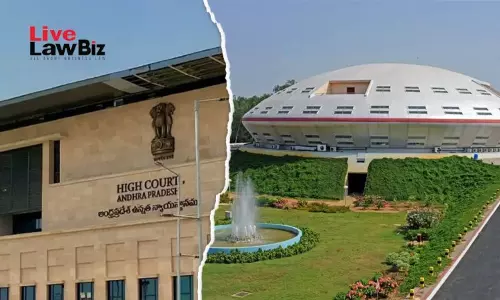
AP High Court Sets Aside VAT Orders On ISRO's Satish Dhawan Space Centre, Flags National Interest
The Andhra Pradesh High Court on 22 June set aside VAT assessment orders passed against Satish Dhawan Space Centre SHAR, a unit of the Indian Space Research Organisation, holding that an improper tax burden on an institution engaged in critical space programmes could adversely affect national interest. A Division Bench of Justices R. Raghunandan Rao and T. C. D. Sekhar allowed the writ petition, set aside the assessment orders, and remanded the matter to the assessing authority for fresh...
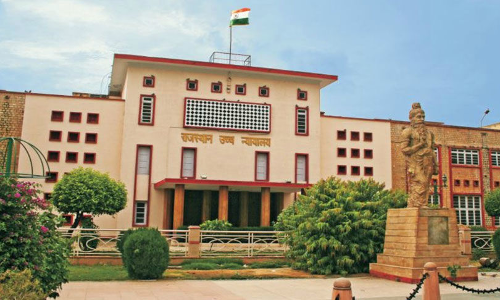
Rajasthan VAT Act Permits Search Of Residential Premises In Tax Evasion Cases: Rajasthan High Court
The Rajasthan High Court has recently held that the Rajasthan Value Added Tax Act does not prohibit searches at residential premises, provided the statutory requirements for search and seizure are strictly fulfilled. A Division Bench of Justice Arun Monga and Justice Sunil Beniwal referring to Section 75 of the Rajasthan Value Added Tax Act, 2003 observed, “Thus, the statute does not prohibit search of residential premises as such; however, the exercise of such power is conditioned upon strict...
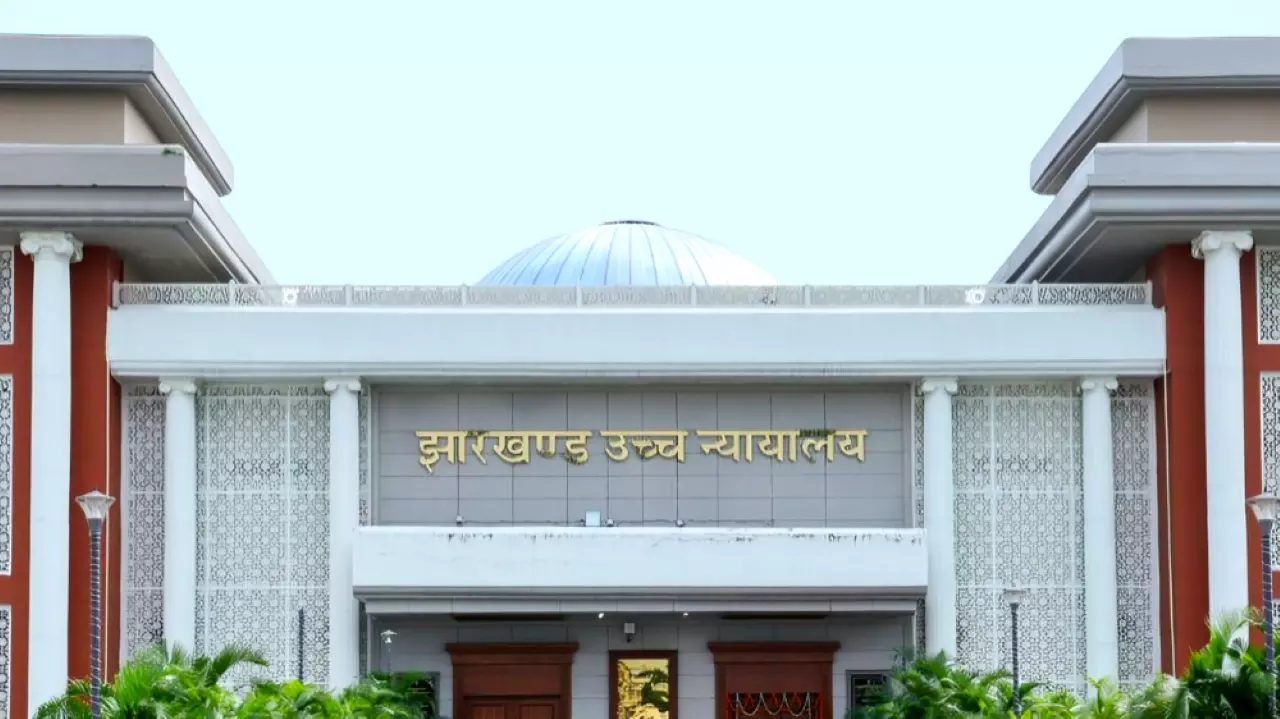
Jharkhand HC Slams Tax Dept, Warns Commissioner Of Personal Liability Over ₹6.71 Crore VAT Refund Delay
The Jharkhand High Court has come down heavily on the State tax department for sitting over a VAT refund of Rs.6.71 crore for years, holding that excuses such as vacant posts and officers being on election duty are “neither legal nor satisfactory.”A Division Bench of Chief Justice M. S. Sonak and Justice Rajesh Shankar directed the Commissioner, Commercial Taxes Department, to ensure that the refund is paid with 6% annual interest by May 5, 2026, warning that any delay beyond the deadline would...
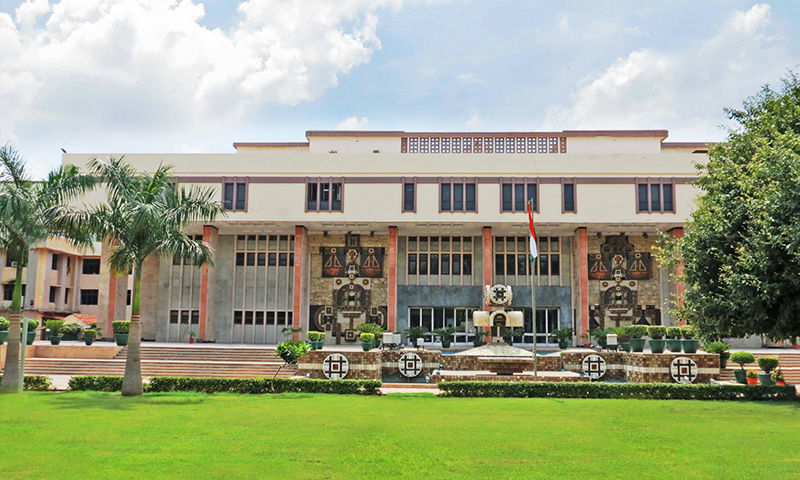
Delhi High Court Rejects Buyers' Denial Of Supply After VAT Credit Claim
The Delhi High Court has upheld a commercial court decree directing recovery of Rs. 8.89 lakh in a dispute over supply of chemical goods, holding that the purchasers' conduct in availing VAT input credit made their plea that the transactions were fictitious untenable. A Division Bench of Justices Prathiba M. Singh and Madhu Jain said, “The claim of VAT input credit necessarilyproceeds on the premise that the purchasing dealer recognizes the transaction as a genuine purchase from the supplier....
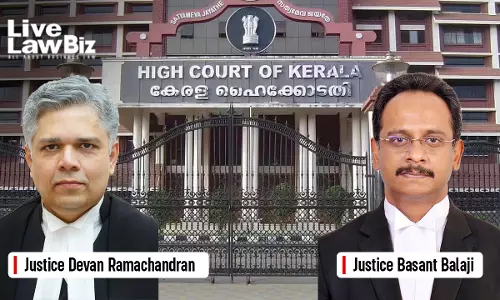
Earthen Roofing Tiles By Khadi Board-Recognised Unit Qualify For VAT Exemption: Kerala High Court
The Kerala High Court on 12 March held that earthen roofing tiles manufactured by a unit recognised and financed by the Kerala Khadi and Village Industries Board are eligible for tax exemption as “pottery” under the KVAT Act. A Division Bench comprising Justices Devan Ramachandran and Basant Balaji set aside tax demands raised against Annamanada Kalimon Vyavasaya Sahakarana Sangham Ltd., a cooperative society engaged in manufacturing clay products in Thrissur. The Bench observed: “We allow...

Refund Cannot Be Adjusted Against Settled Dues Under 2023 Settlement Act: Bombay High Court
The Bombay High Court on Thursday, 12 March, held that once a taxpayer opts for settlement under the Maharashtra Settlement of Arrears of Tax, Interest, Penalty or Late Fee Act, 2023 (Settlement Act), the State cannot adjust a refund from another assessment year against the settled dues. A Division Bench of Justice G. S. Kulkarni and Justice Aarti Sathe, while allowing a petition filed by President Trade and Exim Corporation, observed that the Settlement Act is a self-contained code, and its...
Rajasthan High Court Refuses to Quash VAT Proceedings Against JK Lakshmi Cement Over Diesel Supplied To Contractors
The Rajasthan High Court has recently refused to quash proceedings initiated against JK Lakshmi Cement Limited over alleged VAT liability arising from diesel supplied to transport and mining contractors, holding that the company must respond to the tax authorities and raise its objections during the ongoing assessment inquiry.The dispute arose after the Commercial Taxes Department conducted a survey and investigation into the operations of the cement manufacturer.According to the department, the...

Additional VAT Surcharge Valid Over Concessional Tax: Punjab & Haryana High Court
The Punjab and Haryana High Court, on 27 February, held that an additional VAT surcharge under Section 7A can be levied over and above the concessional tax payable under Section 7 on sales of declared goods made to registered dealers.A Division Bench comprising Justice Lisa Gill and Justice Parmod Goyal was dealing with a batch of appeals filed by Jyoti Strips Pvt. Ltd. challenging assessment and appellate orders passed under the Haryana Value Added Tax Act, 2003.The Bench held: "The...

Jharkhand High Court Quashes Time-Barred VAT Reassessments In Batch Including Tata Chemicals, Hindalco, L&T
The Jharkhand High Court has recently quashed reassessment proceedings initiated against Tata Chemicals Limited, Hindalco Industries Limited, Larsen and Toubro Ltd., Tata Steel Limited and several other taxpayers, holding that reopening of completed VAT assessments beyond the statutory period is barred by limitation. A Division Bench of Justice Rongon Mukhopadhyay and Justice Deepak Roshan observed that the issue was already settled and that “the law is set at rest.” Referring to its earlier...