
CESTAT Hyderabad Upholds ₹33.54 Lakh Service Tax Demand Against Lemon Tree Hotel Over CENVAT Credit Claim
Mehak Dhiman
18 May 2026 10:05 AM IST
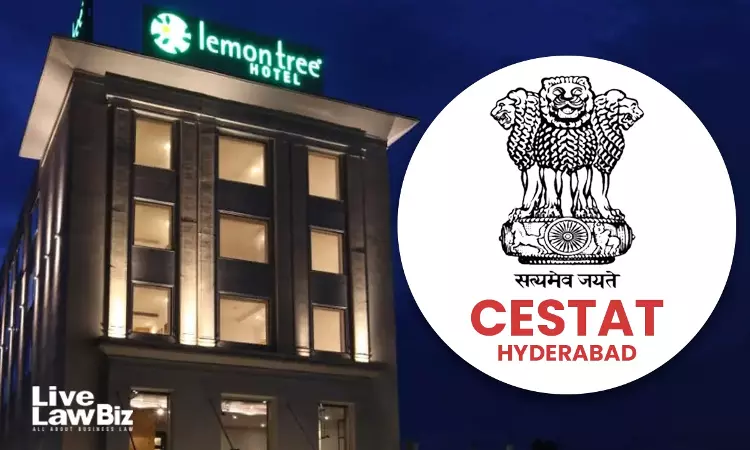
The Hyderabad Bench of the Customs, Excise and Service Tax Appellate Tribunal (CESTAT) has upheld a ₹33.54 lakh service tax demand and penalties against Lemon Tree Hotel. The Tribunal found that the hotel wrongly claimed abatement benefits while availing CENVAT credit on input services linked to its restaurant and accommodation services.
“We have not found any evidence to suggest that the services like Maintenance and Repair services or Internet services or Courier services were not used for providing any of these services viz., RS or AS.”, the tribunal observed.
A coram of Judicial Member Angad Prasad and Technical Member A.K. Jyotishi held the hotel failed to satisfy the conditions attached to the exemption notifications. These barred availment of CENVAT credit on specified inputs, capital goods, or input services used for providing the taxable services in question.
The dispute arose after the department found that Lemon Tree Hotel had claimed abatements under the applicable service tax notifications for restaurant and accommodation services. At the same time, it had also availed and utilised CENVAT credit.
A show-cause notice proposed a total demand of ₹1.27 crore. However, the adjudicating authority granted partial relief and ultimately confirmed a demand of ₹33.54 lakh along with penalties.
Before the Tribunal, Lemon Tree argued that services such as maintenance and repair, internet, and courier services were not exclusively used for restaurant or accommodation services. It said the department had wrongly presumed their use for the taxable output services without concrete evidence. The hotel also relied on earlier coordinate bench rulings in its own case.
The Revenue countered that even if the services were not used exclusively for restaurant and accommodation operations, they still had nexus with those services. It argued that once CENVAT credit was availed, the conditions for claiming abatement stood breached.
After examining the record, the Tribunal noted that the hotel had availed credit on input services during the relevant period. It also recorded that although the ST-3 return referred to “inputs”, the adjudicating authority had accepted this as a clerical mistake and treated it as input services.
Rejecting the hotel's defence, the Bench held that merely showing the services were not exclusively used for restaurant or accommodation services was insufficient.
“It is inconceivable that any hotel, where maintenance is directly relatable to provision of accommodation or maintenance of restaurant, etc., can be said that these services have no nexus with the services provided by them.”
The Tribunal further observed:
“In fact, these services are otherwise considered as eligible input services for providing aforesaid services viz., RS and AS.”
Holding that Lemon Tree had failed to produce cogent evidence showing that the services were not used, whether partly or otherwise, for the impugned services, the Tribunal upheld the adjudicating authority's order. It consequently dismissed the appeal.
For Appellant: Advocate Sameer Sood
For Respondent: V.R. Pavan Kumar, AR