
High Courts
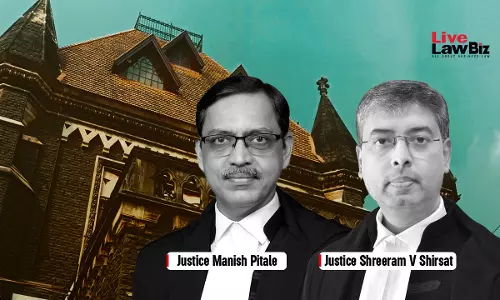
Bombay HC Orders Release Of MPID-Attached Property After Approval Of Steel Company's Resolution Plan
The Bombay High Court has held that there could be no impediment to releasing a property attached under the Maharashtra Protection of Interest of Depositors (MPID) Act after the corporate debtor's resolution plan was approved. The court held that the company was entitled to proceed on a "clean slate" under the Insolvency and Bankruptcy Code (IBC). A Division Bench of Justices Manish Pitale and Shreeram V. Shirsat quashed a March 19, 2016 MPID attachment insofar as it related to a property...
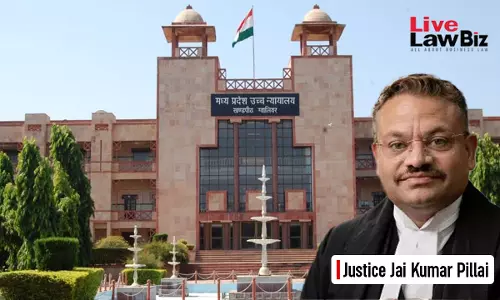
Madhya Pradesh High Court Bars Post-Resolution Proceedings Against Corporate Debtor's “New Avatar”
The Madhya Pradesh High Court on 27 May held that once a resolution plan is approved under the Insolvency and Bankruptcy Code, 2016, the corporate debtor in its “new avatar” cannot face pre-resolution claims or proceedings that stand extinguished under the approved plan. Justice Jai Kumar Pillai reiterated that the insolvency framework ensures a “clean slate” to the successful resolution applicant and allowed the petition filed by Pushp Ratna Realty Pvt Ltd, whose resolution plan the NCLT,...
IBC Resolution Plan Acceptance Is “Settlement” Under Section 16 Court Fees Act: Delhi High Court
On 1 June, the Delhi High Court held that acceptance of claims under a resolution plan in insolvency proceedings amounts to a “settlement” within the meaning of Section 16 of the Court Fees Act, 1870, thereby entitling a plaintiff to refund of court fee upon withdrawal of the suit. Justice Subramonium Prasad allowed Sainik Industries Pvt. Ltd. to withdraw its recovery suit against Indian Sugar Manufacturing Company Ltd. and directed refund of the entire court fee. He held: “However, the...

Look-Out Circular Cannot Bar Bankrupt Guarantor's Travel For Official Duties: Karnataka High Court
The Karnataka High Court on 30 April held that a Look-Out Circular (LOC) cannot operate as an absolute bar on a bankrupt guarantor's overseas travel where such travel is required to discharge professional obligations, and that authorities must balance such restrictions against constitutional protections and employment needs. Justice Sachin Shankar Magadum passed the order while disposing of a writ petition filed by Aditya Arora challenging an LOC issued at the instance of Bank of Baroda. He...

Courts Cannot Touch Merits In Contempt Proceedings: Calcutta High Court Sets Aside NCLT Interim Order
The Calcutta High Court has recently reiterated that a court exercising contempt jurisdiction cannot travel beyond the four corners of the order alleged to have been violated or venture into the merits of the underlying dispute while setting aside part of a National Company Law Tribunal order that had allowed a liquidator to complete the sale of a company's assets. Justice Om Narayan Rai held that while exercising contempt jurisdiction, “the Court must confine itself to the four corners of the...
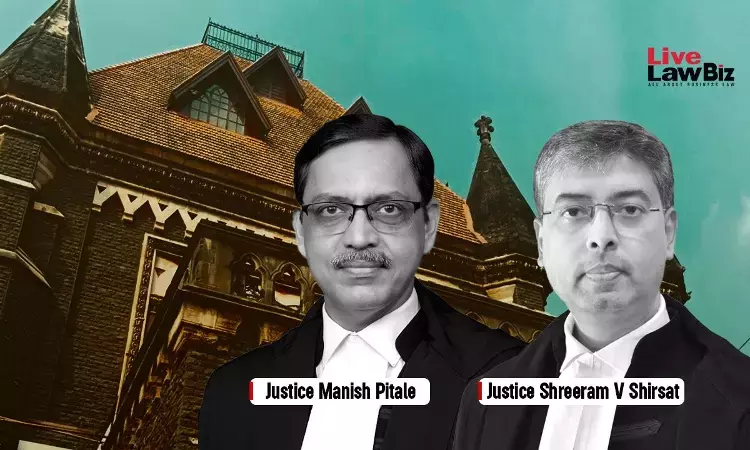
Bombay High Court Orders Police To Ensure Hotel Horizon Property Handover, Flags Directors' Obstruction
The Bombay High Court recently (May 6) directed police to use reasonable force, if necessary, to ensure complete handover of Hotel Horizon Pvt Ltd's Juhu property to the successful resolution applicant. The court said the suspended directors were continuing to obstruct compliance with orders passed by the National Company Law Tribunal and the High Court.A Bench of Justices Manish Pitale and Shreeram V. Shirsat was hearing a plea by former resolution professional and interim manager Pravin R...

Pending Company Winding-Up Cases Before HC Transferable To NCLT Unless At Irreversible Stage: Calcutta HC
The Calcutta High Court has held that pending company winding-up petitions before High Courts can be transferred to the National Company Law Tribunal even after admission, a winding-up order, and appointment of an Official Liquidator, so long as the proceedings have not reached an irreversible stage.Relying on Supreme Court rulings on transfer of winding-up proceedings, a Division Bench of Justice Debangsu Basak and Justice Shabbar Rashidi observed: “Post admission of a winding up petition,...
Byju's Insolvency: Kerala High Court Strikes Off Voizzit Suit Over US Assets
The Kerala High Court on Thursday struck off a suit by Voizzit entities claiming rights over assets of BYJU'S US subsidiaries, holding that the proceedings were barred by the insolvency moratorium against BYJU'S parent Think & Learn Pvt. Ltd. Justice Easwaran S. passed the order on a petition filed by Claudia Z. Springer, the Chapter 11 Trustee appointed by the United States Bankruptcy Court for the District of Delaware in bankruptcy proceedings concerning BYJU'S US subsidiaries,...

Karnataka HC Says It Cannot 'Micromanage' CIRP Against Gulam Mustafa Enterprises Before NCLT Bengaluru
The Karnataka High Court has recently observed that it cannot micromanage proceedings before the National Company Law Tribunal by directing it to hear a company's applications in a particular order while hearing a petition filed by real estate developer Gulam Mustafa Enterprises Pvt. Ltd. “At the outset, this Court is of the considered view that the relief sought by the petitioner, in substance, amounts to inviting this Court to micromanage the proceedings pending before the adjudicating...

NCLT Proceedings Time Excludable Under Section 14 Limitation Act: Calcutta High Court
The Calcutta High Court on 6 May held that the time spent prosecuting insolvency proceedings before the National Company Law Tribunal (NCLT) is liable to be excluded under Section 14 of the Limitation Act, 1963, even where a Section 9 application under the Insolvency and Bankruptcy Code, 2016 (IBC) is rejected on the ground of pre-existing dispute. Justice Aniruddha Roy allowed a commercial suit filed by Jones Lang LaSalle Property Consultants (India) Pvt Ltd against M. A. Leasing and...
AP High Court Dismisses Plea Against NPA Classification; Says It Seeks To “Bypass” SARFAESI, IBC Proceedings
The Andhra Pradesh High Court has dismissed a writ petition filed by businessman Omkaram Venkata Ramana challenging the Bank of India's decision to classify his group companies' loan accounts as Non-Performing Assets (NPA). The court held that the petition sought to bypass proceedings already pending under the SARFAESI Act and Insolvency and Bankruptcy Code (IBC). "In our considered opinion there cannot be any blanket orders passed as is prayed in this writ petition, which itself is not...

Bombay High Court Orders Constitution Of Special Bench Of NCLT To Dispose Of JM Financial's ₹167 Cr Insolvency Plea
On 30 April, the Bombay High Court directed the National Company Law Tribunal (NCLT), Mumbai to constitute a Special Bench and dispose of JM Financial Asset Reconstruction Company Ltd.'s Section 7 petition against Shubh Hospitality Private Ltd. by 30 June 2026, and expressed strong disapproval of how the Tribunal handled the matter. A Division Bench of Justices Manish Pitale and Shreeram V. Shirsat emphasised that delays at the NCLT defeat the time-bound framework of the Insolvency and...