
Audit Objection Alone Cannot Justify Reopening Of Income Tax Assessment Without Fresh Material: Delhi High Court
Kapil Dhyani
17 Feb 2026 4:24 PM IST
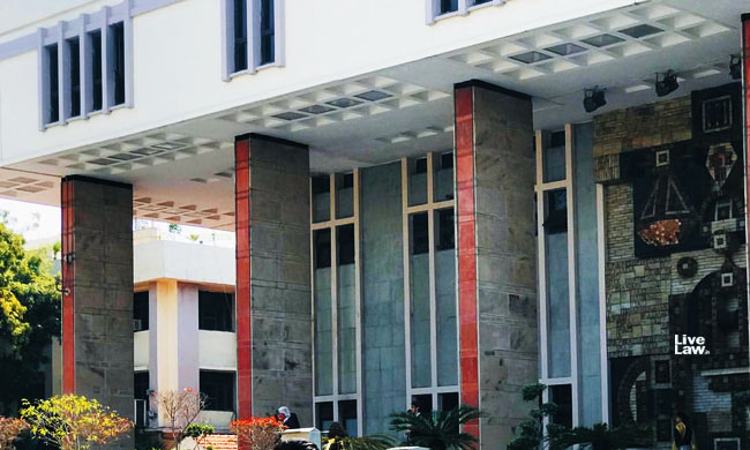
The Delhi High Court on Monday held that a completed income tax scrutiny assessment can't be reopened merely on the basis of an audit objection when no fresh tangible material has come to the Assessing Officer's notice.
A Division Bench of Justice V. Kameswar Rao and Justice Vinod Kumar observed,
“reopening the assessment on the basis of the objections of the Audit Party, shall in the above facts, amount to reviewing the assessment already made, as the relevant material was available with the assessing officer during that assessment.”
The Court drew a distinction between a case where the taxpayer failed to provide some material /information during the assessment, which was flagged by the Audit Party, as against a case where all information was provided by the taxpayer, but was not considered or commented upon by the assessing officer in the assessment order, resulting in a subsequent audit objection.
The latter, the Court said, cannot be the subject of reassessment as it would amount to reconsidering the same material to reach a different conclusion.
“The attempt of the Revenue to now hold that the amounts are chargeable to tax certainly amounts to a change of opinion, which cannot be sustained,” it added.
The Court thus allowed a writ petition filed by Sapphire Foods India Ltd, quashing the order passed under Section 148A(d) of the Income Tax Act and the consequential notice issued under Section 148 for Assessment Year 2016–17.
Sapphire's return for AY 2016–17 was subjected to scrutiny and an assessment under Section 143(3) was completed in December 2018. During the assessment proceedings, the Assessing Officer raised specific queries regarding payments made to the company's Managing Director and a shareholder towards joining bonus and consultancy/legal expenses. It further furnished detailed replies along with the employment and consultancy agreements, following which the expenditure was allowed.
In March 2023, the Revenue issued a notice under Section 148A(b) based on audit objections raised by the Revenue Audit Party. While one audit objection relating to share premium was dropped, reassessment proceedings were initiated on the second objection alleging incorrect allowance of expenditure amounting to ₹9.80 crore, on the ground that the expenses were excessive and not incurred for business purposes.
The Court noted that the very issue forming the basis of the reassessment had already been examined during the original scrutiny assessment.
It held that reopening the assessment on the same material on the strength of an audit objection, amounted to a change of opinion.
“Mere fact that objections were raised by the Audit Party cannot change or expand the nature of the power vested in the assessing officer to assess/reassess the income of the assessee to a power to review an already concluded assessment,” the Court held.
The Court also held that since the original assessment was completed under Section 143(3) and there was no failure on the part of the taxpayer to disclose material facts, reopening beyond four years from the end of AY 2016–17 was barred under the proviso to Section 147 as it stood prior to the Finance Act, 2021.
As such, the Court allowed the petition and quashed the impugned reassessment order.
For Petitioner: Advocates T. M. Shivakumar, Sanjana, Laxmi Pundir, Simmi Bagga and Palak Kumari.
For Respondents: Senior Standing Counsel Abhishek Maratha; Junior Standing Counsel Apoorv Agarwal, with Advocates Nupur Sharma, Gaurav Singh, Bhanukaran Singh Jodha, Muskaan Goel, Himanshu Gaur and Nischay Purohit.