
COMPANY LAW
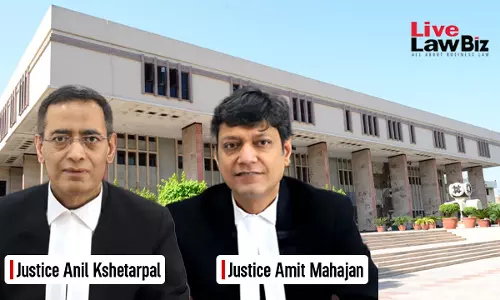
HSCC MD Not A 'Civil Post' Under Union, CAT Lacks Jurisdiction: Delhi High Court
The Delhi High Court has held that the managing director of HSCC India, a government-owned company, does not hold a civil post under the Union and therefore cannot invoke the jurisdiction of the Central Administrative Tribunal.A bench of Justices Anil Kshetarpal and Amit Mahajan said the position was corporate in nature. “Having meticulously examined the nature of the post held by the Respondent No.1, and upon drawing a clear distinction between an employee of the Union and an employee of an...
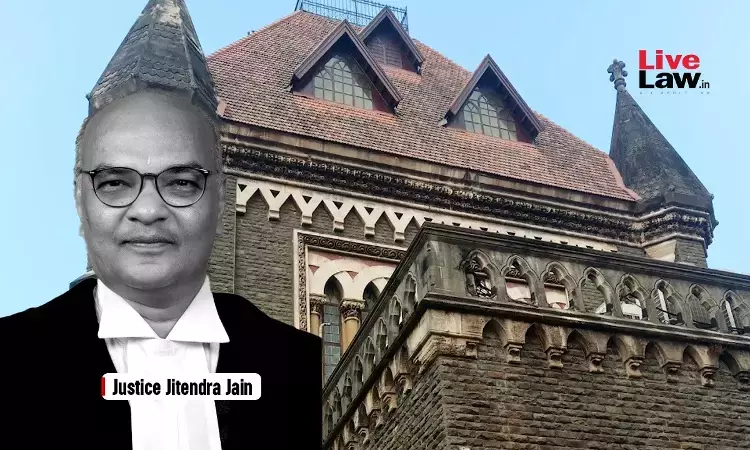
Service Of Notice On One Partner Deemed Service On All Under Presidency Towns Insolvency Act: Bombay HC
The Bombay High Court has held that service of an insolvency notice on a firm or any one of its partners amounts to valid service on all partners under the Presidency Towns Insolvency Act, 1909. The court rejected the argument that limitation should be counted from the last date of service on each partner. A single-judge bench of Justice Jitendra Jain was hearing an insolvency petition where the judgment debtors challenged its maintainability under Section 12(1)(c) of the Presidency Towns...

Approved Resolution Plan Binds Shareholders, Section 59 Companies Act Cannot Reopen It: NCLT Ahmedabad
The Ahmedabad Bench of the National Company Law Tribunal (NCLT) on 6 March held that once a resolution plan under the Insolvency and Bankruptcy Code (IBC) is approved, its consequences are binding on all stakeholders, including shareholders, and cannot be reopened through Section 59 proceedings under the Companies Act. A Bench comprising Judicial Member Shammi Khan and Technical Member Sanjeev Sharma dismissed an appeal by Titus Babu, a shareholder of Sintex Industries Ltd. The NCLT...

'Company Cannot Fund Director's Bail Under Companies Act': Supreme Court Cancels BIIPL Director's Bail
The Supreme Court on Thursday held that a company cannot grant a loan to its director without special resolution of shareholders and where it is not for its business purposes and cancelled the bail of Satinder Singh Bhasin after finding that the Rs. 50 crore deposit was arranged using company funds in violation of the Companies Act. Bhasin, director of Bhasin Infotech and Infrastructure Pvt Ltd (BIIPL), had been granted bail on November 6, 2019 in connection with multiple FIRs arising out of...
Impleadment Not Allowed Without Pleadings Or Relief Against Proposed Parties: NCLT Kochi
The National Company Law Tribunal (NCLT) Kochi has held that additional parties cannot be impleaded in company law proceedings in the absence of foundational pleadings and specific reliefs against them, underscoring that such a move would impermissibly expand the scope of the dispute. A coram of Judicial Member Vinay Goel said, “this Adjudicating Authority is of the considered opinion that an application for impleadment cannot be allowed in the absence of any proposed amendment to the pleadings...

NCLT Ahmedabad Dispenses With Shareholder, Creditor Meetings In Alkem Medtech Ortho–Alkem Medtech Amalgamation
The Ahmedabad bench of the National Company Law Tribunal (NCLT) has allowed a company application filed by Alkem Medtech Ortho Pvt. Ltd., clearing the way for its proposed amalgamation with Alkem Medtech Pvt. Ltd. and dispensing with the need to hold meetings of shareholders and creditors. The order was passed on March 27 by Judicial Member Shammi Khan and Technical Member Sanjeev Sharma. Alkem Medtech Ortho, the transferor company, had approached the tribunal under the Companies Act seeking...

Restoring Struck-Off Company For Pending Tax Proceedings Won't Remove Directors' Disqualification: NCLT Ahmedabad
The National Company Law Tribunal (NCLT) at Ahmedabad has clarified that restoring a struck-off company does not automatically lift the bar on its directors from serving on the boards of other companies. A coram of Judicial Member Shammi Khan and Technical Member Sanjeev Sharma said, “It is clarified that restoration of the Company shall not automatically remove disqualification of directors under Section 164(2) of the Companies Act, 2013 and such consequences shall be governed independently...
NCLT Ahmedabad Sanctions Fast-Track Amalgamation Of Adani Harbour Services With Adani Ports
On 1 April, the Ahmedabad Bench of the National Company Law Tribunal (NCLT) has sanctioned the scheme of amalgamation of Adani Harbour Services Limited (Transferor Company) with Adani Ports and Special Economic Zone Limited (Transferee Company) under Sections 230–232 of the Companies Act, 2013. A Bench comprising Judicial Member Chitra Hankare and Technical Member Dr Velamur G. Venkata Chalapathy held that the scheme is bona fide and serves the interests of shareholders and creditors, noting...

NCLT Chennai Sanctions Cultfit Group Restructuring Scheme
The National Company Law Tribunal (NCLT) at Chennai has recently approved a composite scheme of arrangement involving Cultfit group companies, which run a fitness and wellness platform offering gym memberships, training programmes and digital health services. A coram of Judicial Member Sanjiv Jain and Technical Member Venkataraman Subramaniam passed the order. The petition was filed by Cultfit Healthcare Private Limited, Curefit Services Private Limited, and Curefit Healthcare Private Limited...
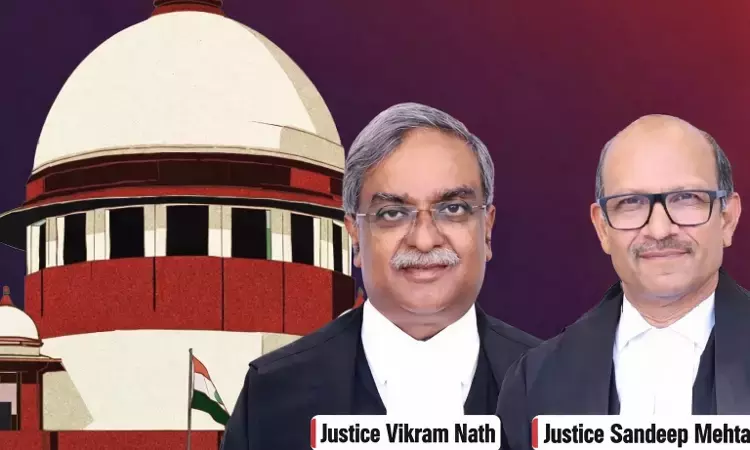
Supreme Court Grants Pre-Arrest Bail To SRS Finance Director Ankit Sachdeva In Fraud Case, Issues Notice To SFIO
The Supreme Court on Thursday issued notice and made an order for pre-arrest bail to Ankit Sachdeva, a director of SRS Finance Ltd., whose anticipatory bail plea had earlier been dismissed by the Punjab & Haryana High Court by order dated March 4, 2024, which found prima facie involvement in a large-scale financial fraud.Sachdeva's petition before the top court challenges the High Court's refusal to grant anticipatory bail. A Bench of Justices Vikram Nath and Sandeep Mehta while...
NCLT Ahmedabad Sanctions Amalgamation Of Global CNC With Windsor Machines
The Ahmedabad Bench of the National Company Law Tribunal (NCLT) on 19 March, sanctioned the scheme of amalgamation between Global CNC Private Limited (Transferor Company) and Windsor Machines Limited (Transferee Company) under Sections 230 to 232 of the Companies Act, 2013. A Bench comprising Judicial Member Shammi Khan and Technical Member Sanjeev Sharma held the scheme to be effective from the appointed date of 1 April 2025. They observed:“The Scheme of Amalgamation annexed as Annexure 'G'...
NCLT Ahmedabad Directs Equity Shareholder Meetings For J.B. Chemicals-Torrent Pharmaceuticals Merger
The Ahmedabad Bench of the National Company Law Tribunal (NCLT) directed the companies to convene meetings of equity shareholders of J.B. Chemicals & Pharmaceuticals Ltd. (Transferor Company) and Torrent Pharmaceuticals Ltd. (Transferee Company) in connection with their proposed scheme of amalgamation under Sections 230 to 232 of the Companies Act, 2013. A Bench comprising Judicial Member Chitra Hankare and Technical Member Dr Velamur G Venkata Chalapathy delivered the order on 23 March...