
Disputes Relating To Payment For Work Done Not Covered Under “Excepted Matters” Arbitrable: MP High Court
Arpita Pande
3 Jun 2026 3:50 PM IST
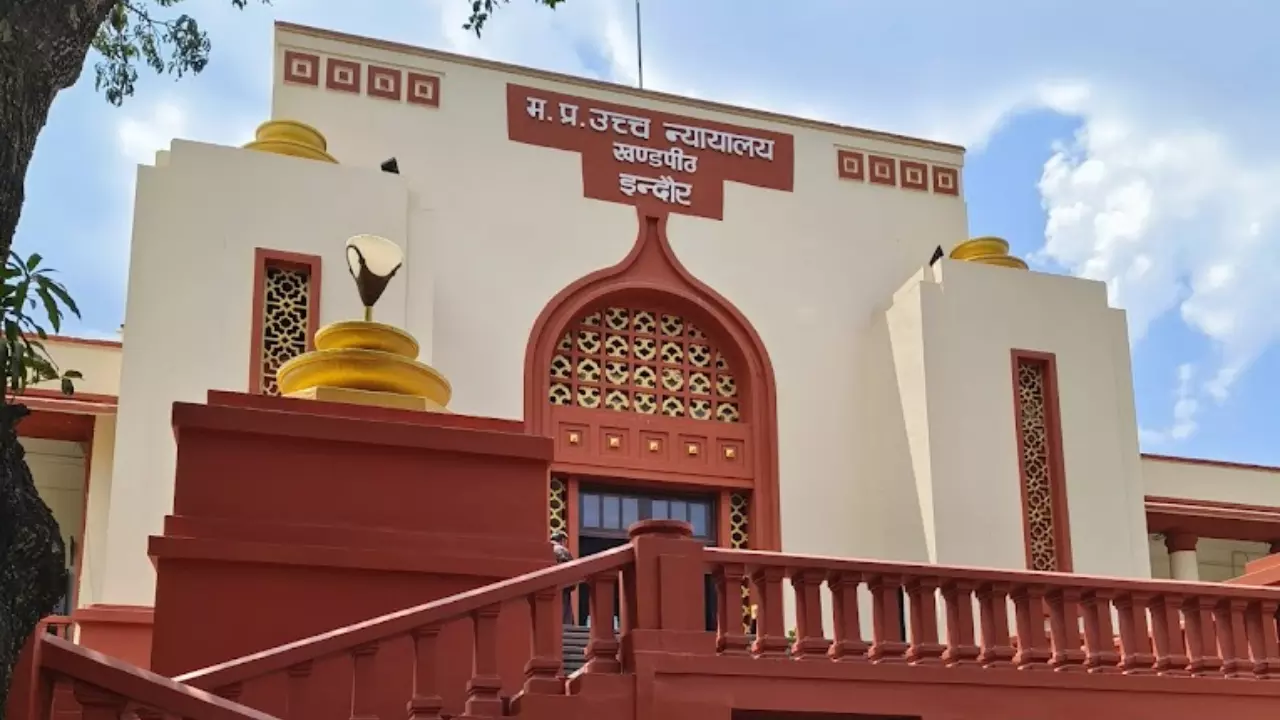
Image by: Shubha Patidar
The Indore Bench of the Madhya Pradesh High Court on 4 May appointed an arbitrator in a dispute between Western Railway and a service provider after rejecting the Railway's contention that the dispute was non-arbitrable, holding that claims for payment of dues for work already executed fall outside the “excepted matters” under the contract.
Justice Pavan Kumar Dwivedi allowed the petition under Section 11 of the Arbitration and Conciliation Act, 1996, observing:
“In view of the above analysis of the facts of the present case and the relevant clauses of the GCC this Court is of the view that the issue of payment of dues as sought to be referred to arbitral tribunal by the applicant is not covered under the excepted matters thus the same is arbitrable.”
Western Railway invited tenders on 19 April 2023 for sanitation services at Ujjain Railway Station. Amar India Private Limited emerged as the successful bidder, and the parties entered into a contract valued at Rs. 2,81,14,362.30. The contractor commenced the work thereafter.
During the contract period, Western Railway deducted Rs. 3,98,791 from an invoice dated 27 July 2024, citing alleged deficiencies in performance. Amar India responded to the deductions and asserted that it had rendered satisfactory services.
Western Railway later terminated the contract on 20 September 2024 under Clause 7.4 of the General Conditions of Contract (GCC) and debarred Amar India from participating in its tenders for two years.
Amar India invoked arbitration under Clause 8 of the GCC through a notice dated 23 September 2024. Western Railway insisted that Amar India furnish a waiver under Section 12(5) of the Arbitration and Conciliation Act, 1996, which Amar India declined, and then approached the High Court seeking appointment of an arbitrator.
Western Railway objected to arbitration and contended that Clause 8.1 of the GCC excluded disputes relating to termination, and therefore the present dispute fell within the excepted matters and remained non-arbitrable.
Amar India, however, contended that it did not challenge the termination and confined its claim to payment for work already executed, which fell outside the excluded category and remained arbitrable.
The Court examined the GCC and the notice invoking arbitration and held that Amar India did not refer any dispute regarding termination. Instead, it found that the claim related to payment for services already rendered.
It noted that Clause 7.1 and Clause 7.4 of the GCC empowered the Railways to determine or terminate the contract and fell within the excluded matters. However, it held that the dispute raised by Amar India did not concern termination but related to payment arising from executed work.
It further held that Clause 7.5 of the GCC provides for payment of services rendered before termination due to contractor default, and this issue does not fall within the excepted matters under the arbitration clause. The Bench found arbitrable dispute and noted the absence of any possibility of a consensual appointment.
Accordingly, the High Court appointed Justice Duppala Venkata Ramana (Retired Judge, Madhya Pradesh High Court) as sole arbitrator to adjudicate the dispute between the parties.
For Petitioner - Shri Dharmanshu Singh
For Respondent – Shri Romesh Dave, Deputy Solicitor General