
ARBITRATION

If Dispute Is Arbitrable, Court Cannot Refuse To Refer Parties To Arbitration U/S 8 Of Arbitration Act: Gauhati High Court
The Gauhati High Court Bench of Justice Mr. Robin Phukan held that it is also well settled that reference of case to arbitral tribunal under section 8 of Arbitration Act can be declined by the court only if the dispute is non-arbitrable. Brief Facts This appeal, under Section 37(1)(a) of the Arbitration and Conciliation Act, 1996, is directed against the order dated 09.08.2024, passed by the learned Civil Judge (Senior Division), Dibrugarh. It is to be noted here that vide...
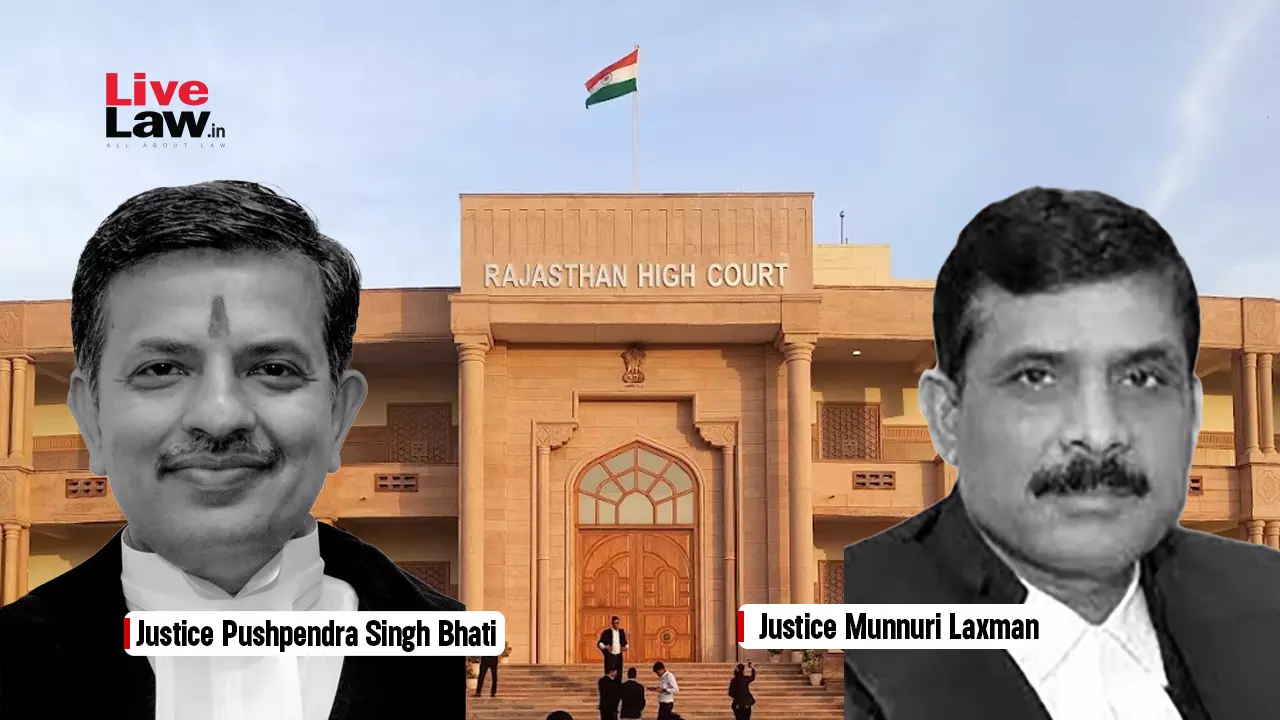
Prior To 2015 Amendment Act, Non-Disclosure Of Information Per Se Not A Ground To Incur Disqualification U/S 12 Of Arbitration Act: Rajasthan High Court
The Rajasthan High Court Bench of Justices Pushpendra Singh Bhati and Munnuri Laxman held that under section 12 of the Arbitration Act after the amendment act of 2015, there is a specific reference of ineligibility in the circumstances referred under the Seventh Schedule. This means per se there is an ineligibility if there exists any circumstance, which is specifically referred to in the Seventh Schedule. Such a per se ineligibility, which has been statutorily recognized under the amended...
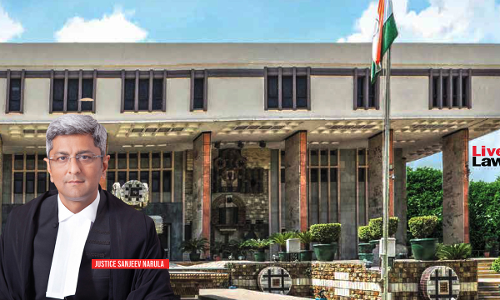
Limitation Is Mixed Question Of Fact And Law Required To Be Adjudicated U/S 16 Of Arbitration Act: Delhi High Court
The Delhi High Court Bench of Justice Sanjeev Narula held that the issue of limitation, raised as a jurisdictional challenge under Section 16 of Arbitration Act, is rarely a pure question of law. More often, it is a mixed question of law and fact. Whether a claim is barred by the law of limitation depends upon the facts that determine the cause of action and the point from which the limitation period is to be computed. Brief Facts The present writ petition impugns order dated 22nd...
Scope Of Review U/S 37(2)(b) Of Arbitration Act Is Very Limited, Courts Cannot Change Tribunal's Conclusion Based On Detailed Inquiry: Delhi HC
The High Court of Delhi of Justice Sachin Datta has held that the scope of review of an interlocutory order is very narrow when the tribunal examines the factual scenario in detail before formulating an opinion in Section 17. The court cannot change the conclusion reached by the tribunal when the same is based on an intricate factual examination of the matter.Facts:The ongoing arbitral proceedings concerning a Concession Agreement (CA) entered between the parties for the work of "six laning...

Award Can Be Set Aside On Grounds Of Patent Illegality If Decision Of Arbitrator Is Perverse Or Irrational: Madras High Court
The Madras High Court Bench of Justice C.Saravanan held that patent illegality as a ground for setting aside an Award is available only if the decision of the Arbitrator is found to be perverse or so irrational that no reasonable person would have arrived at the same or the construction of the contract is such that no fair or reasonable person would take or that the view of the Arbitrator is not even a possible view. Brief Facts The Award Debtor is a company established under the...
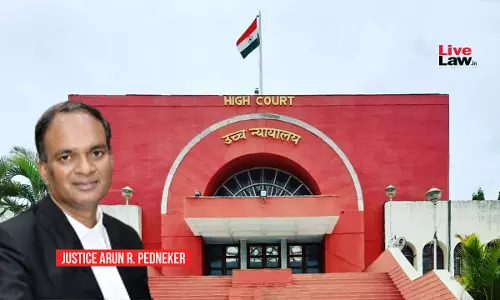
Tribunal's Award However Erroneous, Must Be Challenged U/S 34 Of Arbitration Act, Court Cannot Exercise Writ Jurisdiction: Bombay HC
The Bombay High Court Bench of Justice Arun R. Pedneker held that when the 'Award' is made by the Facilitation Council / Tribunal by exercising jurisdiction vested in it, however erroneous the 'Award' may be, the same has to be challenged only by invoking Section 34 of the Arbitration Act. This court would not exercise jurisdiction under Articles 226 and 227 of the Constitution of India, only to avoid the aggrieved party from the hardship of deposit of 75% of the award amount in terms...
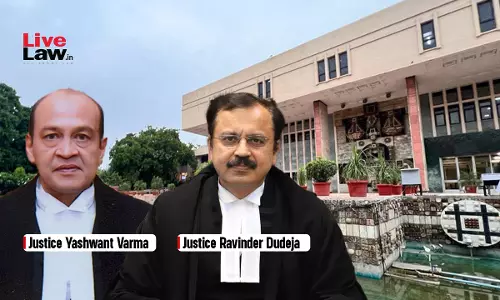
HC Can Invoke Article 227 To Interfere With Commercial Court's Order If It Suffers From Erroneous Interpretation Of Law: Delhi High Court
The Delhi High Court bench of Justice Yashwant Varma and Justice Ravinder Dudeja, while hearing a writ petition filed under Article 227, had observed that the interpretation of Section 42 of the A&C Act by the District Judge while returning the Section 34 petition to be filed before the High Court was completely erroneous. The Court exercised the supervisory jurisdiction while setting the impugned order, as the interpretation of Section 42 by the District Judge would have caused...
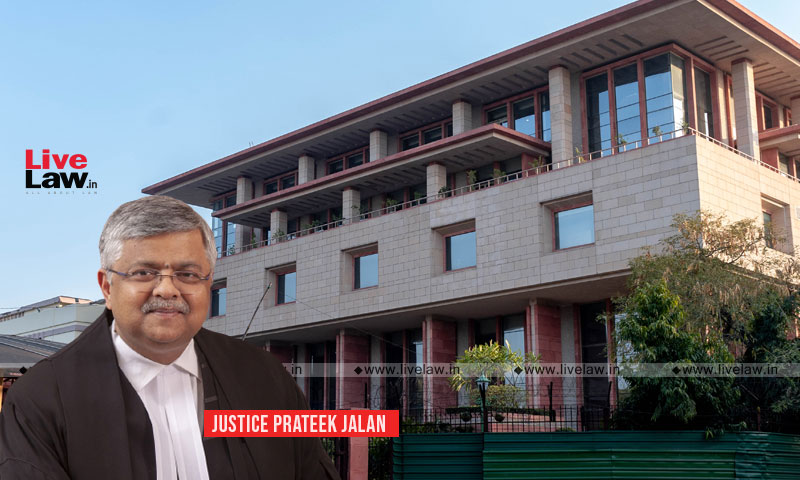
No Compensation Can Be Awarded As Consequence Of Breach In Absence Of Any Legal Injury: Delhi HC Dismisses Plea U/S 34 Of Arbitration Act
The Delhi High Court Bench of Justice Mr. Prateek Jalan held that no compensation can be awarded as a consequence of breach of a contract, in the absence of any resulting legal injury. Although the extent of loss or damage is not required to be proven, the fact that loss or damage has been suffered must be established, even to claim liquidated damages or penalty. Brief Facts This petition under section 34 of the arbitration act was filed by Union of India, the petitoner in which the...
Jurisdiction Under Articles 226/227 Of Constitution Cannot Be Invoked When Order Passed By Arbitral Tribunal Is Procedural: Delhi High Court
The Delhi High Court Bench of Justice Sanjeev Narula held that the question of maintainability of a writ petition in relation to arbitration proceedings is well settled. The jurisdiction of the Court under Articles 226 and 227 of the Constitution of India, 1950, cannot be invoked where the orders passed by the Arbitral Tribunals are procedural in nature. Brief Facts Lalit Mohan, the petitioner, filed a writ petition under articles 226/227 of the constitution in which the order of...

Arbitrator Is Final Arbiter On Facts And Law, Interference U/S 34 Of Arbitration Act Is Only Permissible When Findings Are Perverse: Delhi Court
The Commercial Court, Delhi Bench of Justice Ms. Hemani Malhotra held that the scope of interference is only where the findings of the Tribunal is either contrary to the terms of the contract between the parties , or ex-facie, perverse, that interference by the Court is absolutely necessary. The Arbitrator/Tribunal is the final arbiter on facts as well as in law, and even error, factual or legal, which stop short of perversity, do not merit interference under Section 34 of The Act. ...
Arbitration Proceedings Before Improperly Constituted Arbitral Tribunal Are Non-Est: Delhi High Court
The Delhi High Court Bench of Justice Sachin Datta has held where the appointment procedure is invalid, any proceedings before an improperly constituted arbitral tribunal are non-est. Also, this would not prevent the Court from exercising jurisdiction under Section 11 of the act.Additionally, the court held that whether a particular claim is precluded from arbitration on account of being an excepted matter should be decided by a duly constituted arbitral tribunal.Brief Facts:The petitioner filed...
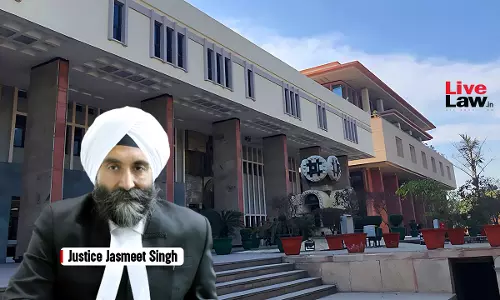
Non-Signatories Bound By Arbitration Agreement If Their Actions Align With Those Of Signatories: Delhi High Court
The Delhi High Court Bench of Justice Jasmeet Singh held that if a non-signatory party actively participates in the performance of a contract, and its actions align with those of the other members of the group, it gives the impression that the non-signatory is a “veritable” party to the contract which contains the arbitration agreement. Based on this impression, the other party may reasonably assume that the non-signatory is indeed a veritable party to the contract and bind it to the arbitration...