
ARBITRATION

Writ Petitions On The Ground Of 'Exceptional Circumstances' Against Order Passed By The Arbitral Tribunal Not Maintainable: Bombay High Court
The Bombay High Court has ruled that remedy against orders passed under Section 16 of the Arbitration and Conciliation Act, 1996 lies elsewhere and the petitioners, aggrieved by the orders passed under Section 16, cannot file Writ Petitions under Article 226 or Article 227 of the Constitution of India on the ground of 'exceptional circumstances'. The Bench, consisting of Justices G.S. Patel and Madhav J. Jamdar, held that it is impermissible for the Court to exercise jurisdiction under...
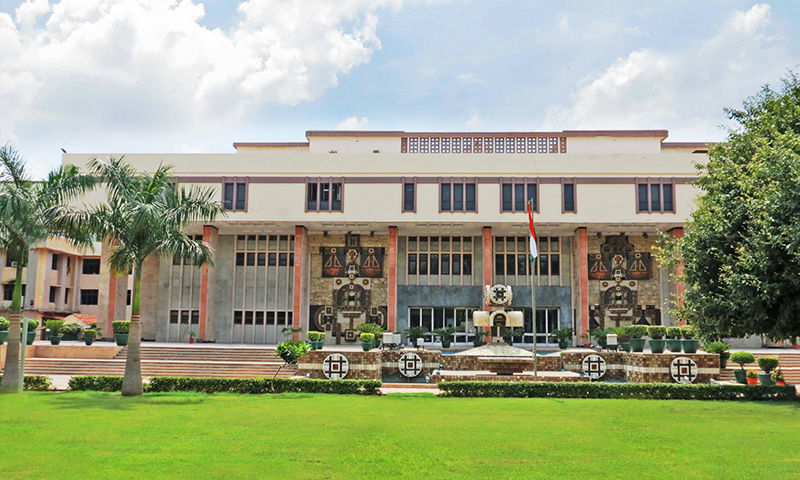
Section 10 Of CPC Does Not Lay An Embargo In Proceeding With Arbitration During Pendency Of Insolvency Proceedings: Delhi High Court
The Delhi High Court has ruled that Section 10 of the Code of Civil Procedure, 1908 does not lay an embargo in proceeding with arbitral proceedings during the pendency of insolvency proceedings under the Provincial Insolvency Act, 1920. The Single Bench of Justice Sanjeev Sachdeva held that the issues involved in the insolvency proceedings and the issue involved in the arbitral proceedings were completely different and therefore the embargo of Section 10 of CPC does not apply. The...
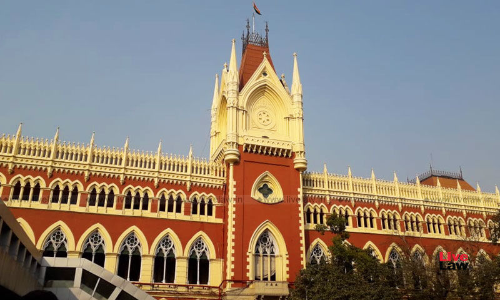
Section 37 Of The Arbitration & Conciliation Act 1996 R/W Section 13 Of The Commercial Courts Act 2015 Excludes The Applicability Of Clause 15 Of Letters Patent: Calcutta HC
The Calcutta High Court has observed that S.37 of the Arbitration & Conciliation Act (Arbitration Act) and S.13 of the Commercial Courts act exclude the applicability of Clause 15 of Letters Patent. The Division Bench of Justice I.P. Mukerji and Justice Aniruddha Roy relied on the decision of the Apex Court in Union of India v. Simplex Infrastructures, (2017) 14 SCC 225, to hold that the Arbitration Act is a self-contained code and no appeal lies against an order which does not...
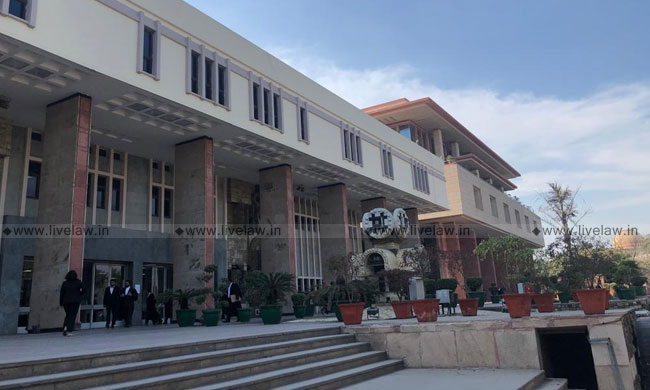
Petition Under Article 227, Against The Interim Orders Of Arbitral Tribunal, Based On Violation Of Legal Provisions Can't Be Allowed: Delhi High Court
The Delhi High Court has ruled that a petition under Article 227 of the Constitution cannot be allowed against an order passed by the Arbitral Tribunal rejecting a plea raised under Section 16(3) of the Arbitration and Conciliation Act, 1996 that the Tribunal had exceeded its jurisdiction, on the ground that the Tribunal had violated the applicable legal provisions. The Single Bench of Justice Prateek Jalan held that such an expansive reading would open the doors of the Court under...
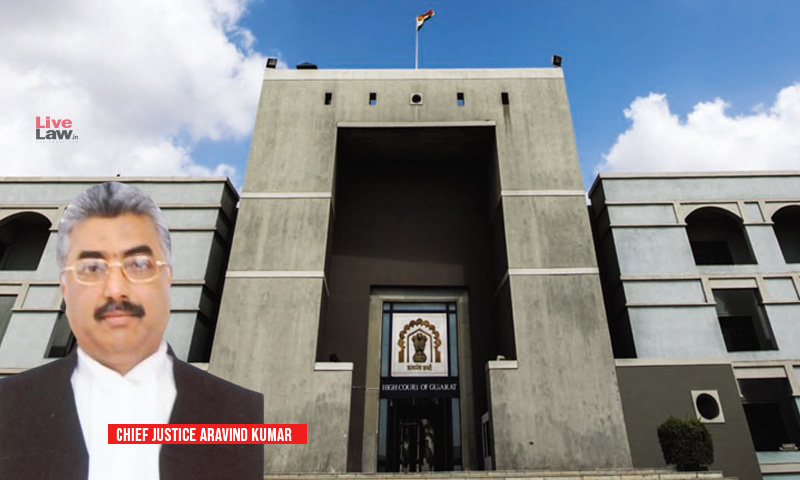
Dispute Involving Interpretation Of Policy Guidelines Can Also Be Referred To Arbitrator: Gujarat High Court
The Gujarat High Court has ruled that petition for referring the matter to arbitration cannot be disallowed on the ground that the dispute involves interpretation of policy guidelines. The Single Bench of Chief Justice Aravind Kumar held that whether there is an arbitrable dispute or not and whether the Arbitral Tribunal has jurisdiction to decide the dispute is an issue which can be decided by the arbitrator himself under Section 16 of the Arbitration and Conciliation Act, 1996. The...
![[Arbitration and Conciliation Act, 1996] Arbitral Award Cannot Be Set Aside Merely On The Ground Of Erroneous Application Of Law Or By Misappreciation Of Evidence : Supreme Court](https://assets.livelawbiz.com/h-upload/2022/02/23/500x300_410405-arbitration-and-conciliation-act.jpg "[Arbitration and Conciliation Act, 1996] Arbitral Award Cannot Be Set Aside Merely On The Ground Of Erroneous Application Of Law Or By Misappreciation Of Evidence : Supreme Court")
Arbitral Award Cannot Be Set Aside Merely On The Ground Of Erroneous Application Of Law Or Misappreciation Of Evidence : Supreme Court
The Supreme Court, on Wednesday (30th March), held that apart from the grounds mentioned in Section 34(2)(b) of the Arbitration and Conciliation Act, 2013, an arbitral award can be set aside only when it is vitiated by patent illegality, and not on ground of erroneous application of law or by misappreciation of evidence. A Bench comprising Justices Ajay Rastogi and Sanjiv Khanna allowed an appeal assailing the order of the Punjab and Haryana High Court, which had affirmed the order of...
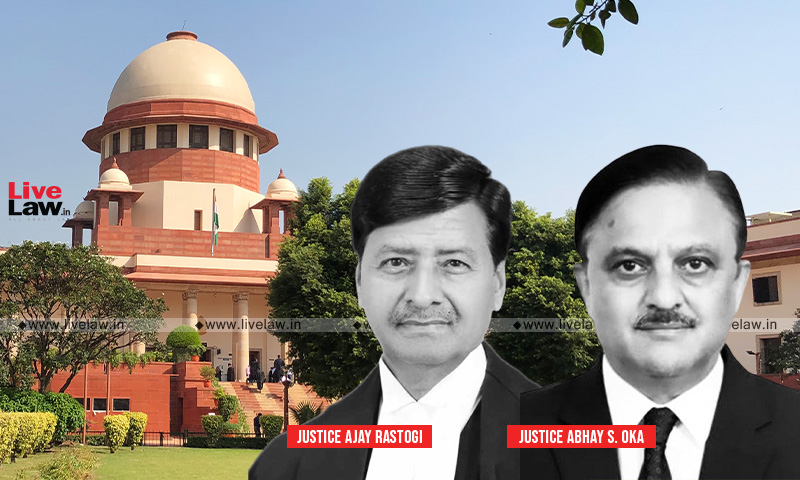
Absence Of Arbitration Agreement Make Article 137 Of Limitation Act Inapplicable To Arbitration Under Bihar PWCD Arbitration Tribunal Act, 2008: SC
The Supreme Court has observed that A. 137 of the Limitation Act, 1963 would have no application in arbitration proceedings commenced under Bihar Public Works Contracts Disputes Arbitration Tribunal Act, 2008 (the 2008 Act) when there is no arbitration agreement between the parties. The Division Bench of Justice Abhay S. Oka and Justice Ajay Rastogi also observed that in absence of an arbitration agreement, the Arbitration Act 1996 will also have no application and the reference to the...
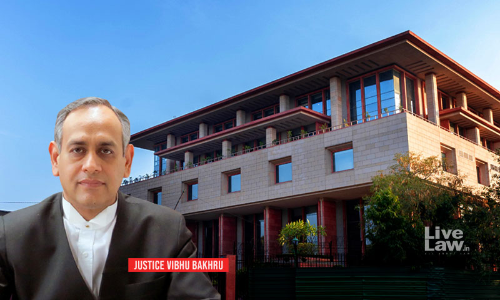
Filing A Complaint With An Unrelated Government Office Does Not Constitute A Notice Under Section 21 Of The A&C Act, 1996: Delhi High Court
The Delhi High Court has ruled that merely filing a complaint with an unrelated government office expressing one's grievance does not constitute a notice under Section 21 of the Arbitration and Conciliation Act, 1996. The Single Bench of Justice Vibhu Bakhru held that though it is a trite law that all contentious disputes are to be addressed by the Arbitration Tribunal, however in cases where there was no doubt that the claims raised were barred by limitation, the Court would decline to...

Supreme Court Disposes Amazon-Future Case As Parties Agree To Resume Singapore Arbitration Proceedings
The Supreme Court on Wednesday recorded the agreement between Amazon and Future Group to approach the Singapore Arbitration Tribunal to resume the arbitration proceedings on an understanding that the Tribunal will on priority hear Future Retail Ltd's application seeking termination of the arbitration proceedings instituted by Amazon against the FRL's merger with Reliance Group.The Court recorded that the Arbitration Tribunal will hear termination application filed by the Future Group under...
1994 Arbitration Reference, 2021 Award, Becomes Rule Of The Court Under Arbitration Act, 1940 In 2022
One of the long pending Arbitration proceedings have come to a logical conclusion by making the arbitral award 'the rule of the Court' under the old Arbitration Act, 1940. The Delhi High Court had made the arbitration reference way back in 1994, but the arbitral proceedings took an inordinately long time to complete with the constitution of the Arbitral Tribunal being changed a number of times and finally the award was passed in the year 2021. And finally, the Single Bench of Justice...

Rules Of Arbitral Institution Do Not Determine The Place Of Arbitration: Delhi High Court
The Single Bench of Justice Vibhu Bakhru of the Delhi High Court has held that the rules of arbitral institution would not determine the place of the arbitration and only the Courts at the place of arbitration proceedings will have the jurisdiction to entertain an application for the appointment of an arbitrator. Facts The parties entered into a Concession Agreement for the "Implementation of Regional Integrated Solid Waste Management Project for 16 Urban Local...
Trademark Disputes That Purely Arise Out Of Contractual Rights And Obligations Are Arbitrable: Delhi HC
The High Court of Delhi has observed that all the disputes that arise out of the Trade Marks Agreement are not outside the scope of arbitration. The Single Bench of Justice Vibhu Bakhru clarified that disputes that purely deal with the interpretation of the terms of a trademark agreement and are not related to the grant or registration of the trademarks can be decided in arbitration. The Court further clarified that unless it is a dispute relating to registration of trademarks, there...