
ARBITRATION

Provisions Of The MSMED Act Overrides The Arbitration Agreement Between The Parties: Madras High Court
The High Court of Madras has observed that S. 18 of the MSMED Act will override the arbitration clause between the parties. The Court observed that since S. 24 of the MSMED Act is a non-obstante clause, it gives overriding effect to the provisions of S. 15 -23 of the Act. The Bench of Justice Pushpa Sathyanarayan and Justice P. Velmurgan observed that once a reference is filed before the MSME Council under S. 18 of the Act, the provisions of the arbitration clause must yield to the...
Sufficiency Of Stamp Duty On Agreement And Nature Of Contract Cannot Be Adjudicated By Court Under Section 11 Of A&C Act: Delhi High Court
The Delhi High Court has ruled that the Court cannot adjudicate on the issue whether the claims made by the petitioner are barred by limitation while dealing with a petition filed under Section 11 of the Arbitration and Conciliation Act, 1996 (A&C Act) for referring the parties to arbitration. The Single Bench of Justice Vibhu Bakhru held that the dispute as to whether the contract containing the arbitration clause is sufficiently stamped or not, and the nature of the contract, are...
The Dispute Between The Parties Which Arises Subsequently Can Be Proceeded In A Separate Arbitration: High Court of Delhi
The High Court of Delhi has observed that a subsequent dispute arising from the same transaction can be referred to a separate arbitration and the arbitration agreement cannot be said to be a one-time measure that cannot be invoked after an award is made in the earlier reference. The Single Bench of Justice Mukta Gupta observed that the word "all disputes" in an arbitration agreement means all the existing disputes at the time of invocation of arbitration and the disputes that arise...

Tax Invoices Containing Reference To Arbitration, Does Not Constitute An Arbitration Agreement: Bombay High Court
The Bombay High Court has ruled that acceptance of tax invoices by the opposite party, containing a reference to arbitration, does not lead to the presumption that an arbitration agreement exists between the parties. The Single Bench of Justice G.S. Kulkarni held that unilateral invoices cannot bring about an arbitration agreement between the parties. The respondent S N Engineering Services Pvt Ltd issued purchase orders to the Applicant Concrete Additives and Chemicals Pvt Ltd....

Court Can Appoint An Arbitrator During The Pendency Of An Appeal Against An Award, Set Aside On Reasons Other Than Merit : Bombay High Court
The High Court of Bombay has held that when an award is set aside for other reasons and not on merit, the parties are well within their rights to initiate fresh arbitration in respect of the same claims and pendency of an appeal against such an order is not a ground to refuse the appointment. The Single Bench of Justice A.K. Menon has further held that an objection as to the claims being barred by Res Judicata since an appeal is pending before the Court is outside the limited scope of...
Tax Invoices Containing Reference To Arbitration, Does Not Constitute An Arbitration Agreement: Bombay High Court
The Bombay High Court has ruled that acceptance of tax invoices by the opposite party, containing a reference to arbitration, does not lead to the presumption that an arbitration agreement exists between the parties. The Single Bench of Justice G.S. Kulkarni held that unilateral invoices cannot bring about an arbitration agreement between the parties. The respondent S N Engineering Services Pvt Ltd issued purchase orders to the Applicant Concrete Additives and Chemicals Pvt Ltd....

Time Spent In Mediation Would Be Excluded For The Purpose Of Calculating The Period Of Limitation For Invoking Arbitration: Delhi HC
The High Court of Delhi has observed that when the agreement between the parties provides for mandatory mediation, the time spent in the mediation process shall be excluded from the period of limitation. The Single Bench of Justice C. Hari Shankar held that the notice invoking arbitration as well as the substantive claims of a party would not become time-barred if the parties were undergoing the mediation process contemplated in the arbitration clause and the time consumed in an...
Claims Raised Before The Arbitral Tribunal Cannot Be Rejected Even If Not Mentioned In The Notice Issued Under Section 21 Of The A&C Act: Delhi High Court
The Delhi High Court has ruled that it is not necessary that a notice issued under Section 21 of the Arbitration and Conciliation Act, 1996 (A&C Act) should quantify the amounts that are claimed by the claimant before the Arbitral Tribunal. The Single Bench of Justice Vibhu Bakhru held that a notice under Section 21 is required to set out the disputes between the parties, and upheld the view of the Arbitral Tribunal that the claims raised by the claimant before the Arbitral Tribunal...
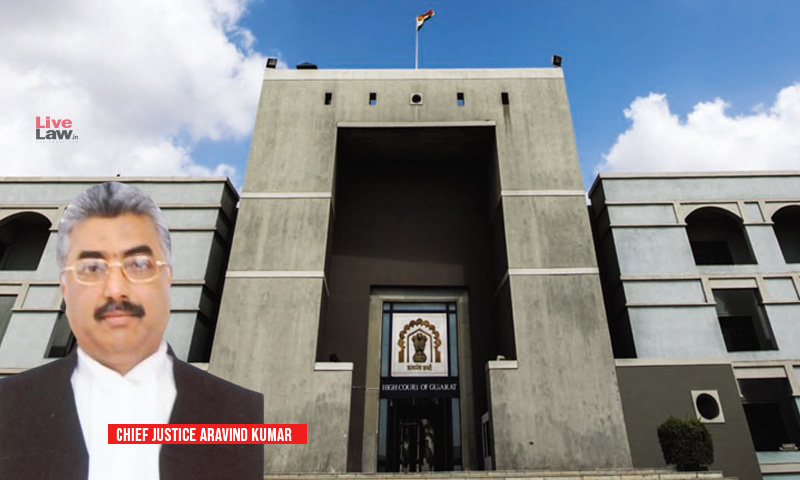
There Cannot Be A Deemed Waiver Of Section 12(5) Of The A&C Act By Issuing A Letter To The Opposite Party: Gujarat High Court
The Gujarat High Court has ruled that unless the embargo placed under Section 12(5) of the Arbitration and Conciliation Act, 1996 (A&C Act) is waived by the parties, the provisions of Section 12(5) would continue to be attracted. The Single Bench of Chief Justice Aravind Kumar held that there cannot be a deemed waiver of Section 12(5) by merely issuing a letter or communication calling upon the opposite party to waive the embargo. A tender was floated by the respondent Railways. ...
Court Does Not Have Adjudicatory Powers Under Section 27 Of The A&C Act: Bombay High Court
The Bombay High Court has ruled that the Court does not have the jurisdiction under Section 27 of the Arbitration and Conciliation Act, 1996 (A&C Act) to consider the legality of the reasons set out by the arbitral tribunal in its order permitting the examination of a witness. The Single Bench of Justice G.S. Kulkarni ruled that once the arbitral tribunal had formed a prima facie opinion that a particular witness is required to be examined by a party in the arbitral proceedings,...
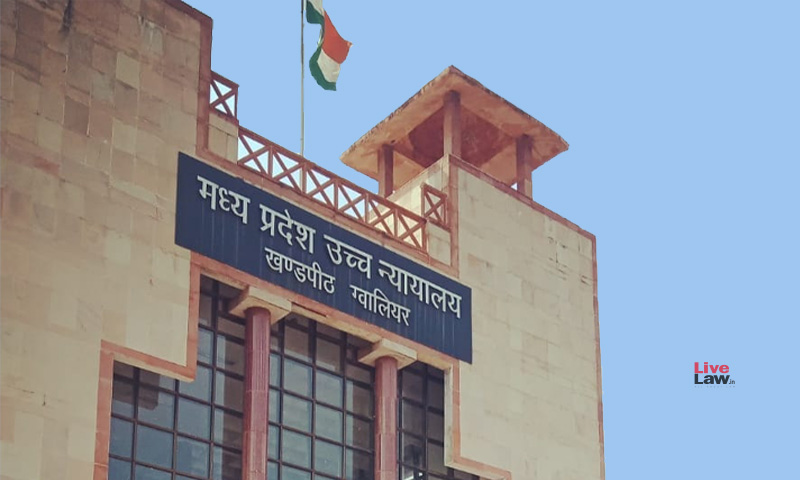
'Requisition Of Record From Arbitral Tribunal Not Akin To Remanding Matter': Madhya Pradesh High Court
The High Court of Madhya Pradesh, Gwalior Bench recently held that a court can direct requisition of record from arbitral tribunal and that the same would not be akin to remanding the matter to the tribunal but to ascertain the exact nature of dispute through record of case. Justice Anand Pathak was essentially dealing with a writ petition moved by the Petitioner who was aggrieved by the order of the commercial court, whereby it sought for original record of arbitrator before...
Writ Petitions On The Ground Of 'Exceptional Circumstances' Against Order Passed By The Arbitral Tribunal Not Maintainable: Bombay High Court
The Bombay High Court has ruled that remedy against orders passed under Section 16 of the Arbitration and Conciliation Act, 1996 lies elsewhere and the petitioners, aggrieved by the orders passed under Section 16, cannot file Writ Petitions under Article 226 or Article 227 of the Constitution of India on the ground of 'exceptional circumstances'. The Bench, consisting of Justices G.S. Patel and Madhav J. Jamdar, held that it is impermissible for the Court to exercise jurisdiction under...