
Tax
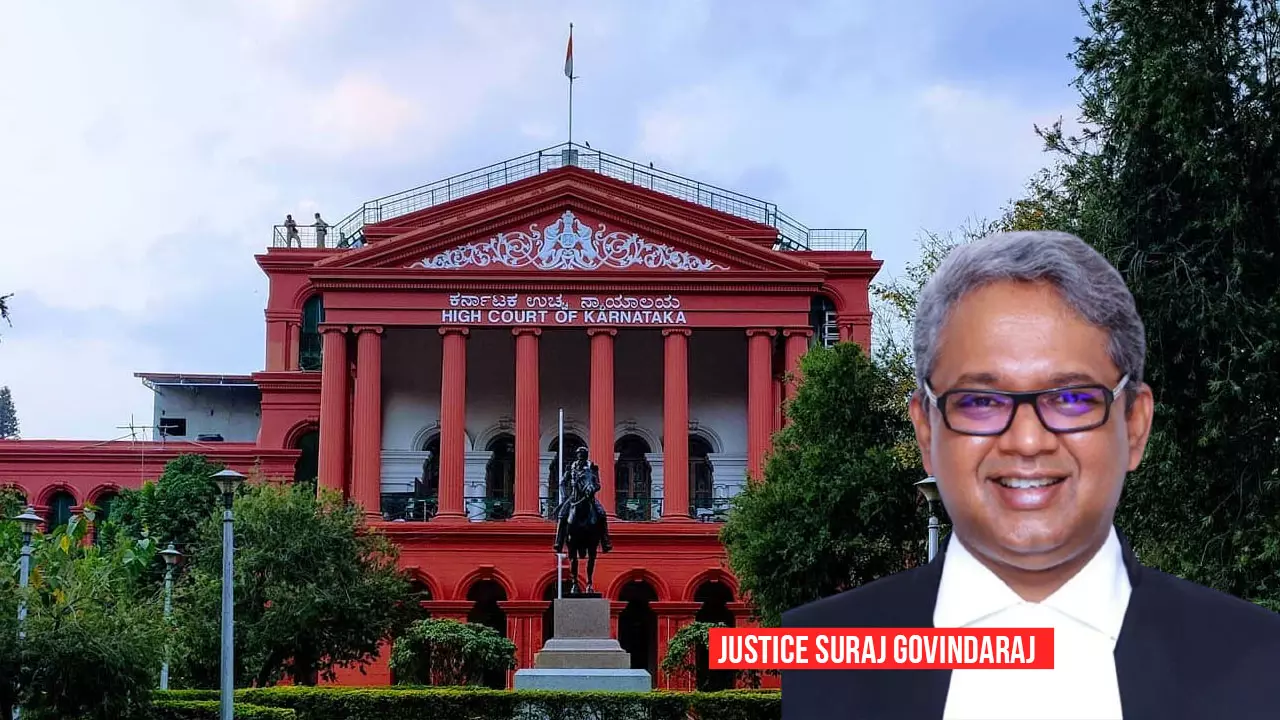
S. 67 CGST Act | Officer Below Rank Of Joint Commissioner Cannot Inspect Assessee's Premises Without Authorisation: Karnataka High Court
The Karnataka High Court has held that an officer below the rank of Joint Commissioner cannot, by himself, inspect the premises of the assessee without authorisation under Section 67 of the Central Goods and Services Tax. The bench further stated that there is no requirement to provide a copy of the authorisation and details of the order passed by the Joint Commissioner, but the delegate who inspects or confiscates any document or goods would be required to provide the details of...
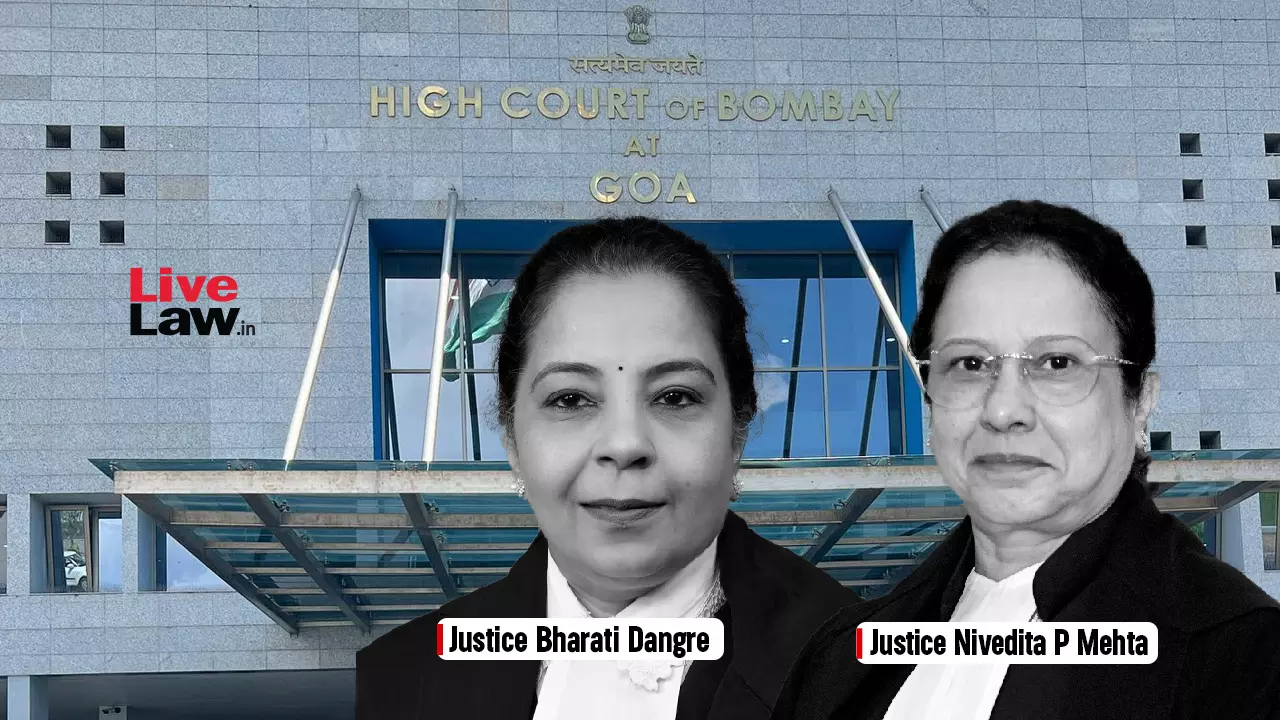
S. 149 Income Tax Act | Reassessment Beyond Limitation Period Is Valid Where 'Bogus' Royalty Payments Exceed ₹50 Lakh: Bombay High Court
The Bombay High Court has stated that reassessment beyond 3 years is valid where bogus royalty expenses exceed Rs. 50 lakhs. Justices Bharati Dangre and Nivedita P. Mehta upheld the reassessment proceedings initiated beyond three years, in the present case, where the alleged bogus royalty expenses exceeded 50 Lakhs. The bench opined that Section 149(1)(b) of the Income Tax Act is a jurisdictional fact which must be established prior to reopening of assessment on the ground that...
Sale Proceeds Of Minor's Property Share Deposited Under Court Order Excluded From Father's Taxable Income: ITAT
The Chennai Bench of Income Tax Appellate Tribunal (ITAT) has stated that sale proceeds of a minor's property share deposited under court order are excluded from father's taxable income. S.S. Viswanethra Ravi (Judicial Member) held that the assessee cannot decide the utilization of his minor daughter's share as it is deposited as per Court's order and it is impossible to club the same in the assessee's (father) hand. In this case, the assessee filed return of income in response...

Tax Weekly Round-Up: September 08 - September 14, 2025
HIGH COURTSAllahabad HC[CGST Act] Tax Officers Expected To Know Law Laid Down By Higher Courts: Allahabad High CourtCase title: - M/S Rajdhani Udyog v. State Of U.P. And 2 OthersCase no.: WRIT TAX No. - 3684 of 2025While calling for personal affidavit from Principal Secretary, Institutional Finance, Government of U.P., Lucknow explaining the conduct of the tax officers in the State in not following the orders of the High Court, the Allahabad High Court observed that the Officers must know the...
![[GST Rate-Cuts] Karnataka High Court Refuses Ex-Parte Stay On Guideline Mandating Revised MRP Stickers On Existing Stock](https://www.livelawbiz.com/h-upload/2025/05/01/500x300_598083-justice-bm-shyam-prasad.webp "[GST Rate-Cuts] Karnataka High Court Refuses Ex-Parte Stay On Guideline Mandating Revised MRP Stickers On Existing Stock")
[GST Rate-Cuts] Karnataka High Court Refuses Ex-Parte Stay On Guideline Mandating Revised MRP Stickers On Existing Stock
The Karnataka High Court on Monday refused to pass an ex-parte order staying the guideline dated September 9 issued by the Union of India mandating the declaration of revised retail sale price (MRP), on unsold stock manufactured/packed/imported, which would be effective from September 22, in addition to the existing retail sale price (MRP).Justice B M Shyam Prasad refused the ex parte interim order on the petition filed by Kitchen and Home Products Company, TTK Prestige Limited. The company has...
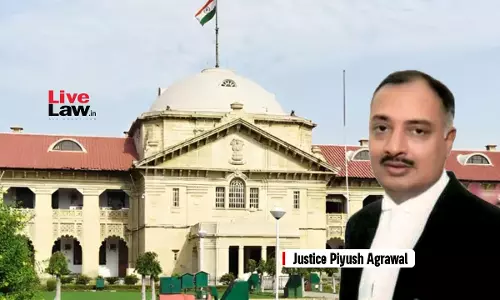
Once Actual Movement Of Goods Proved By Assessee Remains Unrebutted, Proceedings U/S 74 GST Act Are Unjustified: Allahabad High Court
The Allahabad High Court has recently held that when the actual movement of goods has been proved by the assesee and the same remains unrebutted by the authority, proceedings under Section 74 of Goods and Service Tax Act, 2017 are unjustified. Proceedings under Section 74 of GST Act can be initiated if an assesee has not paid or short paid or erroneously refunded or input tax credit wrongly availed or utilized by fraud or any willful- misstatement or suppression of facts. Justice...

Surprise Searches Can Be Conducted On Family's Lockers U/S 132 Of Income Tax Act Over Suspicion Of Undisclosed Assets: Delhi High Court
The Delhi High Court has upheld the surprise search and seizure conducted by the Income Tax Department at the private lockers maintained by a family at South Delhi Vaults, without issuance of prior notice or summons to them.The family claimed that failure to notify them was a flagrant violation of Section 132 of the Income Tax Act, 1961 which relates to 'Search and seizure'.Section 132(1)(c) stipulates that when the Department has 'reason to believe' that any person is in possession of...
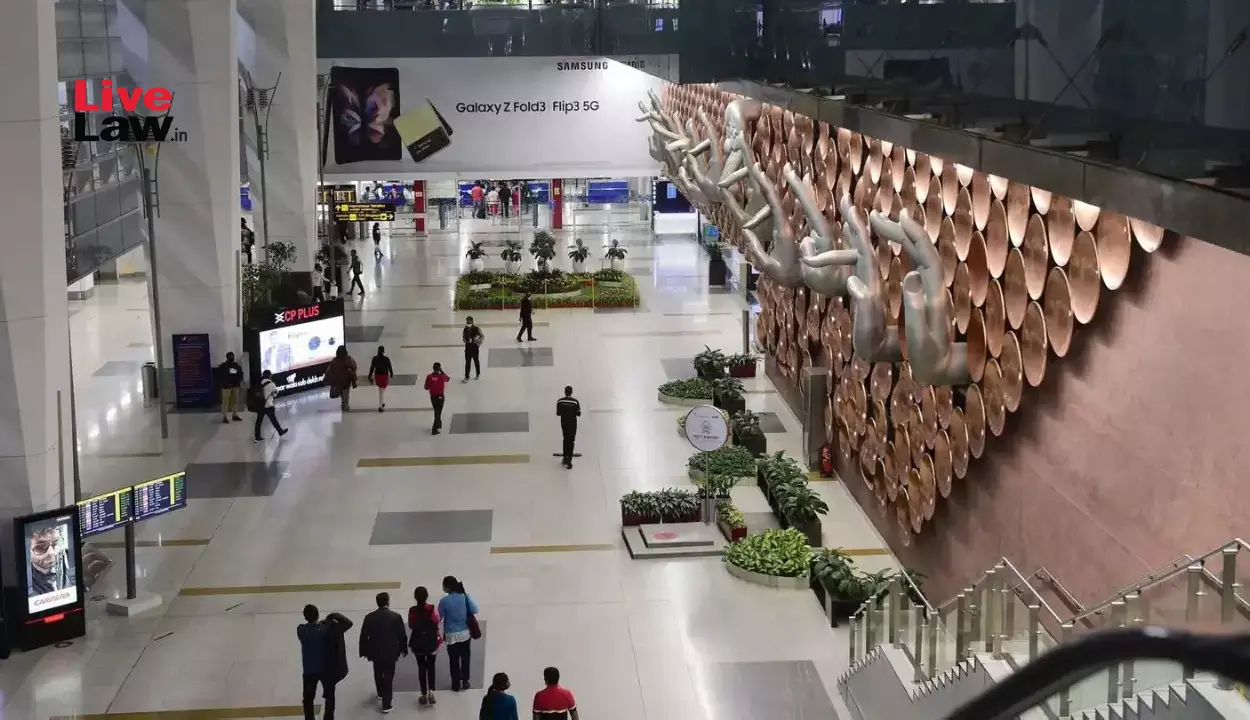
Delhi High Court Directs Customs Department To Set Up Passenger Grievance Counters At Delhi Airport
The Delhi High Court has asked the Commissioner of Customs at the IGI Airport to create some counters of the Department outside the airport's security zone, for easy access of aggrieved passengers.The direction was made by a division bench of Justices Prathiba M. Singh and Shail Jain after the Petitioner, a resident of Kuwait whose gold cut piece was seized by the Department, complained that since the counters of the Customs Department are in the secured area, it is not easy to access them for...
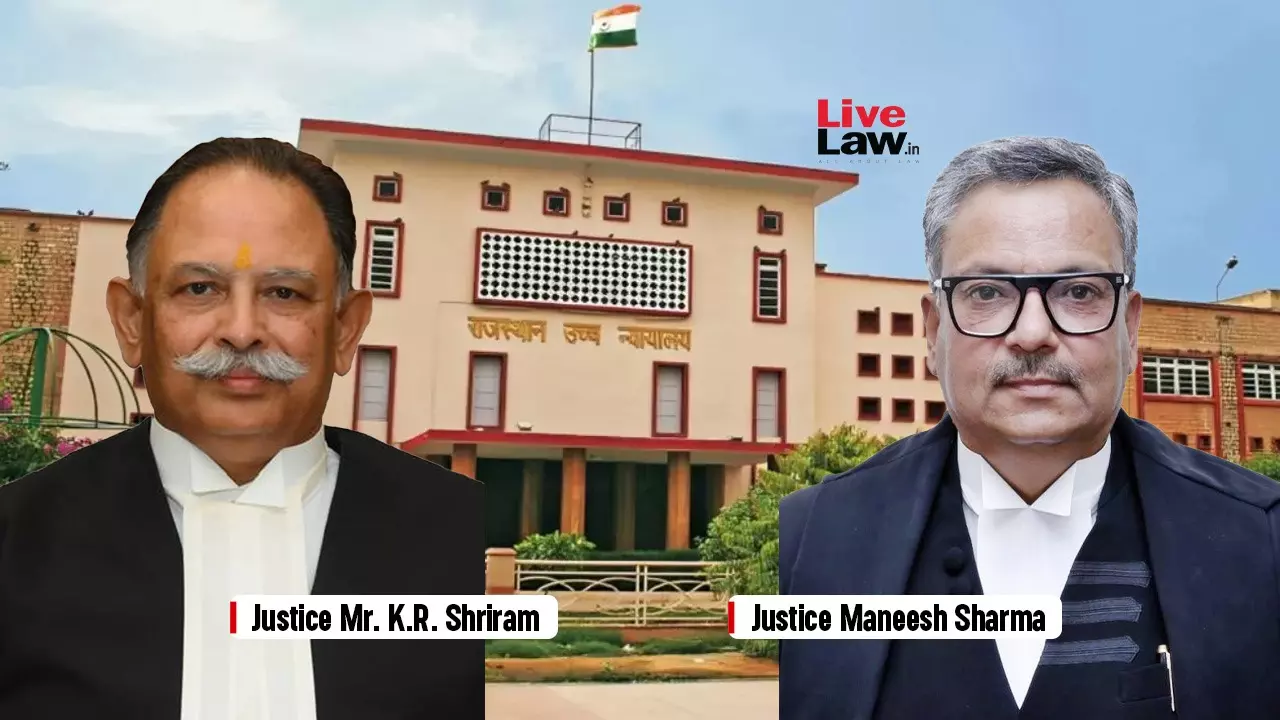
IGST Act | Party Providing Services Under Bipartite Agreement Cannot Be Labelled As “Intermediary”: Rajasthan High Court
While hearing a petition against the decision of Department of Revenue by a company providing services to a foreign entity, Rajasthan High Court held that for someone to be called an “intermediary”, there had be existence of 3 parties in the contract, in the absence of which, the services rendered under a bipartite agreement could not be called “intermediary”.The division bench of Justice Mr. K.R. Shriram and Justice Maneesh Sharma was hearing the petition filed by a subsidiary of IDP Australia,...
Incorrectly Declaring Indian Goods As 'Made In China' Contrary To Public Interest: Delhi High Court Denies Relief In Customs Case
The Delhi High Court has held that misleading consumers about locally manufactured goods by labelling them as 'Made in China' or in some other foreign country is contrary to public interest.The bench was dealing with a Customs case whereby Petitioner's goods (mobile tempered glass) bearing 'Made in China' mark were seized by the Department in a raid.The Department had allowed provisional release of the goods subject to submission of assessable value i.e., Rs. 56,03,995/- bonds and bank guarantee...
Tax Liability Under JDA Arises Only Upon Conveyance Of Property, Not On Execution Of Agreement: Bombay High Court
The Bombay High Court held that tax liability under JDA (joint development agreement) arises only upon conveyance of property, not on execution of agreement. The bench consists of Justices Bharati Dangre and Nivedita P. Mehta stated that no liability actually fell upon the assessee at the time when JDA was entered into, as the liability arises only upon the conveyance of the property. The assessee developer becoming the owner of the property for which the JDA was executed....
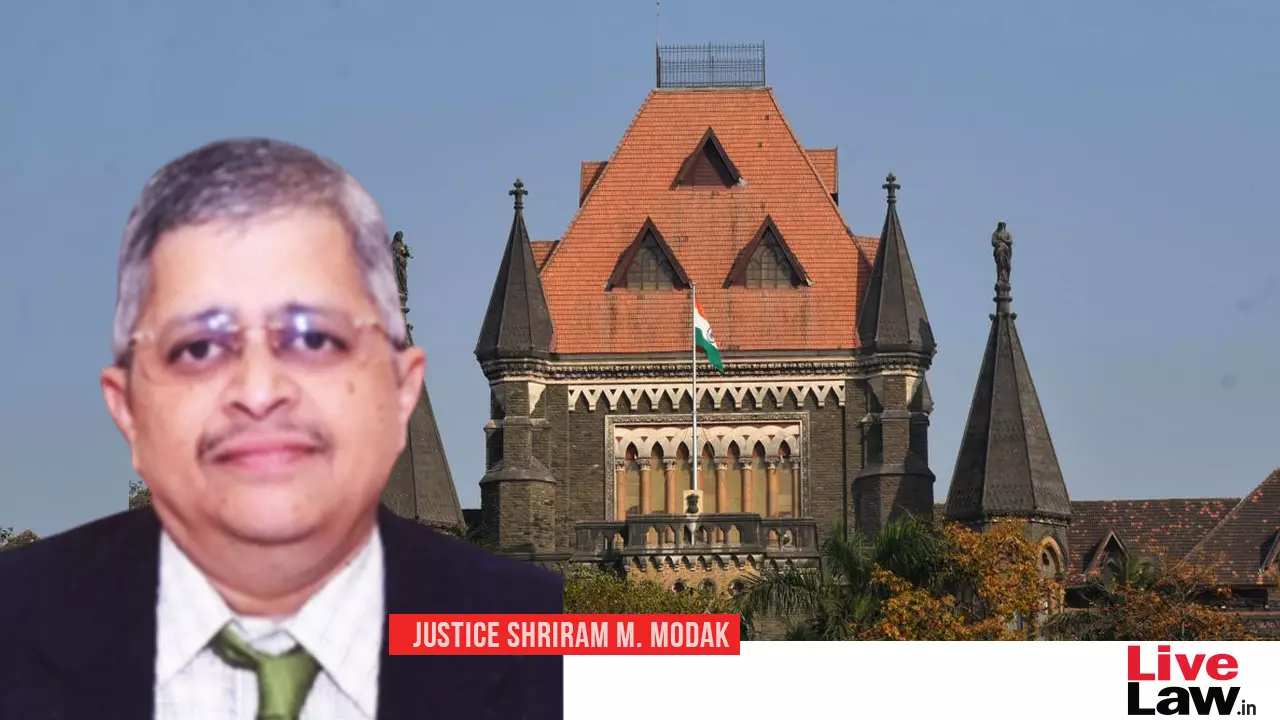
Right To Travel Abroad Can't Be Curtailed Solely On Grounds Of Pending Tax Prosecution: Bombay High Court
The Bombay High Court has stated that facing tax prosecution does not automatically bar an accused from foreign travel. Justice S.M. Modak stated that, "It is true right to travel abroad is recognized as a fundamental right. Merely because a person is facing with prosecution, it does not mean that he cannot travel abroad till the time the investigation is under progress or criminal case is pending." The respondent is an accused in connection with a File registered with the...