
Tax
Supply Of Manpower To Five Hotels For Three Years Attracts Service Tax Under “Manpower Recruitment Or Supply Agency Service”: CESTAT
The New Delhi Bench of Customs, Excise, and Service Tax Appellate Tribunal (CESTAT) has stated that supply of manpower to five hotels for a period of nearly three years would clearly attract service tax under the head of “manpower recruitment or supply agency service”. The Bench of Dilip Gupta (President) and P.V. Subba Rao (Technical) has observed that, “In relation to manpower supply to five units on cost recovery basis, the Commissioner noticed that ITC had deputed employees to other...
Same Rate Tax And Interest Applicable On IGST In Course Of Inter-State Trade And Supplies In Course Of Imports: CESTAT
The New Delhi Bench of Customs, Excise, and Service Tax Appellate Tribunal (CESTAT) has stated that same rate tax and interest applicable on IGST in the course of inter-state trade and supplies in the course of imports. The Bench of Dilip Gupta (President) and P.V. Subba Rao (Technical) has observed that, the taxable event to levy IGST is the inter-state supply of goods and services (including supplies in the course of international trade). If there is no supply, there is no scope to ...
Delhi High Court Rejects Income Tax Dept's Appeal Raising ₹42 Crore Demand On NTPC Subsidiary
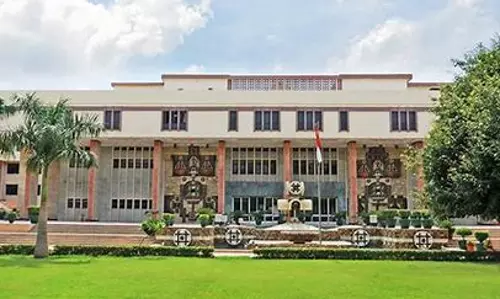
The Delhi High Court dismissed an appeal preferred by the Income Tax Department raising a demand of ₹42,16,04,786/- from a wholly owned subsidiary of National Thermal Power Corporation Limited (NTPC).The demand was raised in view of alleged income from sale of fly ash, transferred to it by NTPC.As per factual matrix of the case, the fly ash was transferred to the assessee in view of Environment Ministry's notification requiring all thermal plants to utilize the fly ash generated from the power...
'Digital Still Image Video Cameras' Imported By Assessee Entitled To Basic Customs Duty Exemption: CESTAT
The New Delhi Bench of Customs, Excise, and Service Tax Appellate Tribunal (CESTAT) has stated that 'digital still image video cameras' imported by assessee is entitled to basic customs duty exemption. The Bench of Justice Dilip Gupta (Judicial Member) and P.V. Subba Rao (Technical Member) observed that what was to be examined was whether the demand confirmed for the normal period of limitation contemplated under section 28(1) of the Customs Act for the reason that 'digital still image...
No Service Tax On Buying Or Selling Of Space In Print Media, Receiving Incentives On Meeting Targets: CESTAT
The New Delhi Bench of Customs, Excise, and Service Tax Appellate Tribunal (CESTAT) has stated that no service tax on buying or selling of space in print media and receiving incentives on meeting targets. The Bench of Binu Tamta (Judicial Member) and P.V. Subba Rao (Technical Member) has observed that the assessee cannot have an obligation to the media houses. All that is paid by the media houses is, if the assessee achieves particular target while carrying out its business for its...
GST Authorities Can't Deny Refund Of Pre-Deposit On Grounds Of Limitation, Violates Article 265: Jharkhand High Court
The Jharkhand High Court has held in a recent judgement that rejecting a refund claim for a statutory pre-deposit which has been made under Section 107(6)(b) of the GST Act, on the ground that the claim was filed after the 2-year limitation under Section 54(1), is legally unsustainable. The Division Bench comprising Chief Justice M.S. Ramachandra Rao and Justice Deepak Roshan stated, “There is no dispute to the effect that once refund is by way of statutory exercise, the same cannot be retained...
Contractors Are Liable To Pay GST At Rate Prevalent On Day Of Receipt Of Tender, Not When Work Is Allotted: J&K High Court
The Jammu and Kashmir High Court held that the contractors were liable to pay GST at a rate prevalent on the last day for the submission of the tenders and not when the work was allocated as the same was clear from the Special Condition No.49 existing in the contract agreement. The petitioners had filed the review on the ground that as per section 13 of the CGST Act the liability to pay tax on services arise at the time of supply of the work and thus provision of the contract was...
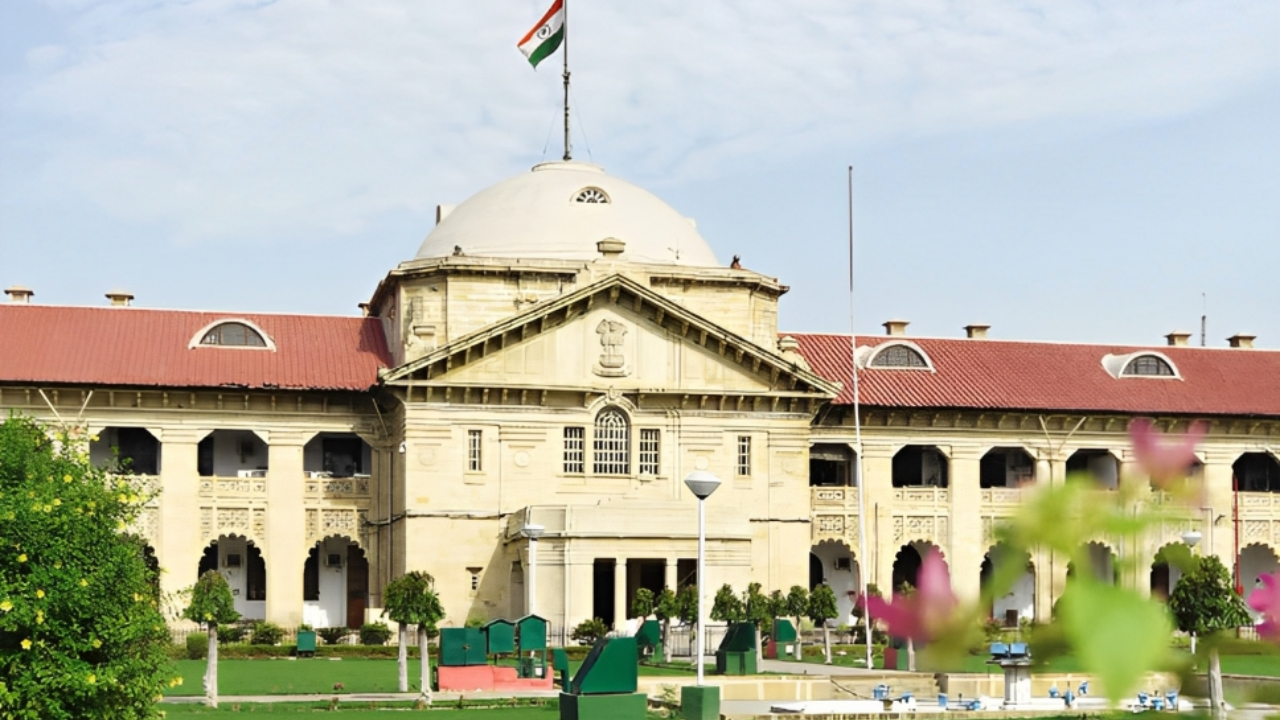
Burden Of Court Increasing Over Violations Of Natural Justice: Allahabad HC Imposes 20K Cost On GST Official For Not Following Mandatory Provision
The Allahabad High Court has imposed a cost of Rs. 20,000 on Joint Commissioner SGST, Corporate Circle-1, Ghaziabad who had issued a show cause notice without specifying the date and time for personal hearing and had passed an order under Section 74 of the Goods and Services Tax Act, 2017 creating a demand of more than Rs. 5 crore ignoring the specific request for personal hearing made by the assesee.Section 75(4) of the GST Act provides that when requested in writing, the assesee must be given...
Transitional Credit Under GST Not Allowable For Capital Goods Received After 1 July 2017: Patna HC Upholds Recovery Of Ineligible CENVAT Credit
The Patna High Court, while upholding the recovery of ₹8,62,566 as ineligible CENVAT credit, held that transitional credit under the GST regime cannot be availed for capital goods received after 1st July 2017. The Division Bench of the High Court comprising Justices Rajeev Ranjan Prasad and Ramesh Chand Malviya held, “The distinction in the matter of giving benefit of CENVAT credit on capital goods during the transitional period may be found in Section 140 of the CGST Act. While this provision...
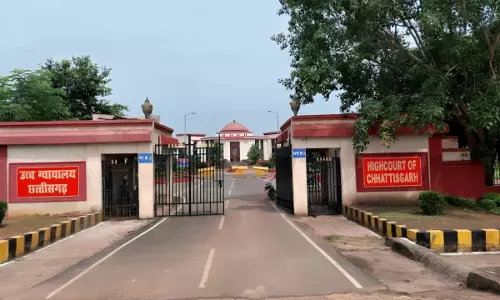
Penalty U/S 271(1)(c) Of Income Tax Act Not Applicable If Assessee Voluntary Discloses Bona Fide Mistake: Chhattisgarh High Court
In a recent ruling, the Chhattisgarh High Court held that penalty under Section 271(1)(c) of Income Tax Act not applicable if assessee voluntary discloses bona fide mistake. Section 271(1)(c) of the Income Tax Act, 1961 deals with penalties for concealment of income or furnishing inaccurate particulars of income. The Division Bench of Justices Sanjay K. Agrawal and Deepak Kumar Tiwari noted that “it is a case where the assessee came up fairly before the Assessing Officer correcting...
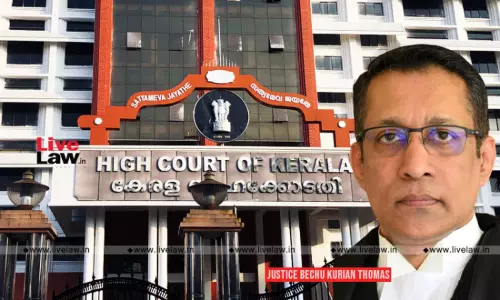
Kerala Municipality Act | Building Owners Liable To Pay Revised Property Tax For Past Three Years After Adjusting Previously Paid Amount: HC
The Kerala High Court stated that building owners liable to pay revised property tax for past three years, after adjusting previously paid amounts. The Bench of Justice Bechu Kurian Thomas was addressing the issue of whether, despite the creation of charge on the property enabling the Municipality to recover the arrears of tax as arrears of public revenue, the limitation period would stand extended beyond three years. The bench opined that despite the provisions of the Limitation...