
Landlord Cannot Recover Service Tax From Tenant Without Express Clause In Lease: Delhi High Court
Kapil Dhyani
22 May 2026 2:26 PM IST
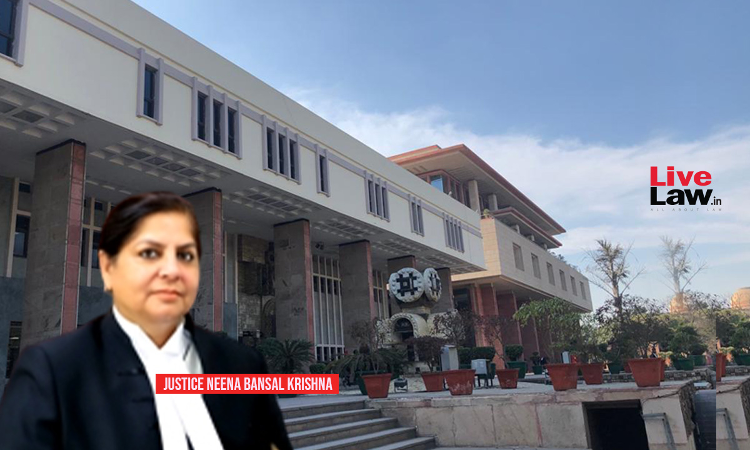
The Delhi High Court has ron Thursday held that a landlord cannot recover service tax from a tenant in the absence of an express covenant in the lease deed imposing such liability on the tenant.
Justice Neena Bansal Krishna dismissed an appeal filed by landlords against a decree directing refund of ₹5.53 lakh deducted from the tenant's refundable security deposit towards alleged service tax dues.
The dispute arose between Sunrider India Pvt Ltd and the landlords in relation to a commercial premises in the city's Vasant Vihar area, leased under an agreement dated August 28, 2006.
The tenant company had deposited ₹10.5 lakh as an interest-free refundable security deposit.
After service tax on renting of immovable property was introduced through the Finance Act, 2007, the landlords sought to recover service tax from the tenant for the period from June 1, 2007 to August 15, 2009.
The tenant disputed liability, contending that the original lease deed contained no clause requiring it to pay service tax and, in fact, placed liability for taxes on the landlords.
The Court noted that the first lease deed had been executed before the levy came into force and therefore understandably did not contain any clause relating to service tax.
It further observed that when a second lease deed was executed in 2009, the parties specifically inserted a clause making the tenant liable for service tax prospectively, but made no reference to any past liability.
Rejecting the landlords' contention that there was an oral understanding requiring the tenant to clear past service tax dues, the Court held there was no evidence to support such a claim.
“In fact, had there been any such understanding for payment of the Service Tax under the first Lease Deed, nothing prevented the parties to incorporate a Clause in this regard, in said Lease Deed,” the Court observed.
The High Court also found that the landlords' claim had become barred by limitation by the time the amount was deducted from the tenant's security deposit in 2013.
Holding the deduction to be unlawful, the Court upheld the decree directing refund of ₹5.53 lakh along with interest at 9.03% per annum.
For Respondent: Advocates Nihit Nagpal, Vaibhav Mehra, Vikrant Rana and Lucy Rana