
Housing Society Member Seeking Additional Area In Redevelopment Is Not RERA Allottee: Bombay High Court
Shivani PS
9 July 2026 3:36 PM IST
The Bombay High Court has recently ruled that original members of a housing society who sought additional area in a redevelopment project on payment did not become "allottees" under the Real Estate (Regulation and Development) Act, 2016 (RERA) merely because they soufght excess area.
It restored a civil suit filed by members of a Goregaon housing society after holding that the grievances raised in the plaint, including allegations of fraudulent allotment, suppression of sanctioned plans and misrepresentation, were not disputes that RERA authorities are empowered to adjudicate.
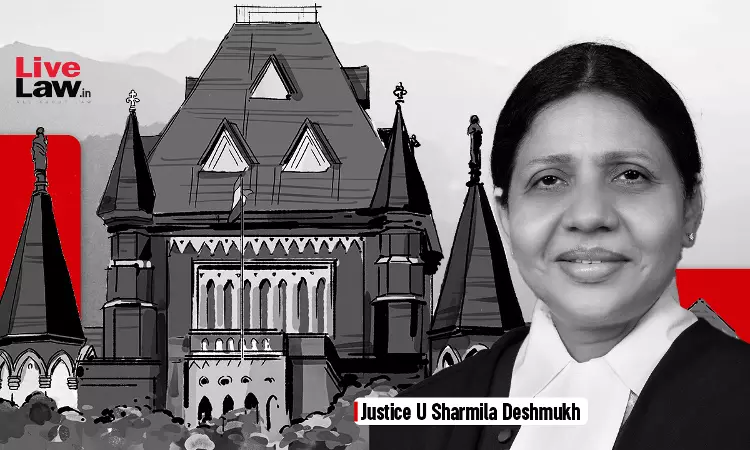
Justice Sharmila U. Deshmukh observed that the plaint did not disclose a promoter-allottee relationship and that it sought civil remedies which RERA authorities cannot grant.
"There is no sale of free sale component of shop premises by the Defendant No. 2 in order to establish a promoter-allottee relationship. It is also difficult to accept that only in respect of the excess area, the Plaintiffs can be construed as allottees within the meaning of Section 2(d) of RERA Act.", the court ruled.
The dispute arose from the redevelopment of Shree Dipti Co-operative Housing Society at Goregaon in Mumbai. Under a development agreement executed on March 20, 2023, Westinrely Developers Pvt. Ltd. was appointed to redevelop the property.
According to the society members, they were orally informed that the ground floor would be used for parking because commercial premises could not be constructed on the plot.
After examining plans uploaded on the RERA and Slum Rehabilitation Authority websites, they alleged that the project had been shifted from one redevelopment regulation to another, with commercial premises proposed on the ground floor.
They claimed the sanctioned plans had been suppressed, that they had been misled about the nature of the redevelopment, and that commercial premises had been allotted fraudulently.
In the suit, they sought declarations that the earlier allotments were fraudulent and that they were entitled to specified commercial premises on the ground floor upon payment for the additional area.
The developer argued that, because the society members sought additional area on payment, they fell within the definition of "allottees" under RERA and that their grievances therefore had to be decided by RERA authorities rather than a civil court.
Rejecting that contention, the High Court held that the claim for additional area did not by itself create a promoter-allottee relationship.
The court further observed, "The stated object of RERA Act is to provide for a special machinery for enforcement of the rights and obligations of the allottees and promoter and to provide remedies for enforcement of those rights and obligations. The relief which has been sought, of the allotments being fraudulent and illegal, and entitlement to specific allotment is not a dispute which the authorities under RERA Act are empowered to adjudicate."
The court held that the society members were challenging the alleged suppression of sanctioned plans, misrepresentation during the redevelopment process, and the alleged fraudulent allotments made by the developer.
It held that the remedies sought essentially arose from the redevelopment agreement and were civil remedies that RERA authorities could not grant.
The court concluded, "As the grievances raised by the Plaintiffs fall outside the purview of RERA Act, the Civil Court will have the jurisdiction to entertain the suit. The plaint as framed does not disclose promoter-allottee relationship and is framed in a manner so as to seek civil remedies which the authorities under RERA Act cannot grant."
Allowing the appeal, the High Court set aside the City Civil Court's order, restored the suit to its file and held that the civil court has jurisdiction to entertain and try the dispute.
The court also continued, for four weeks, the interim restraint on the developer from creating third-party rights in the ground-floor commercial shop and granted the parties liberty to seek extension of that protection before the trial court.
For Appellants (Ibrahim Babubhai Chokiya & Ors.): Advocates Mayur Khandeparkar, Saurabh Utangale and Sandeep Maurya, instructed by Simran Vishwakarma.
For Respondent (Westinrely Developers Pvt. Ltd.): Advocates Sanjiv A. Sawant, Abhishek Deshmukh and Bhakti Wast.