
Settlement Preserving S.138 Proceedings Keeps Cheque Dishonour Liability Alive: Delhi High Court
Kirit Singhania
2 July 2026 2:10 PM IST
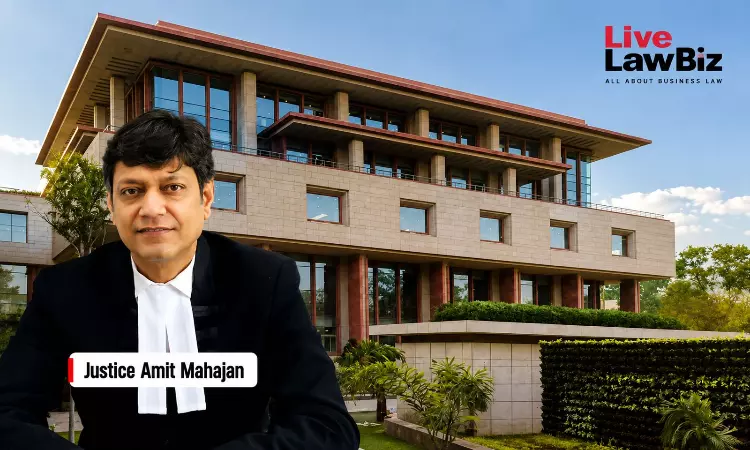
On 1 July, the Delhi High Court held that assignment of debt to a sister concern under a settlement agreement does not extinguish liability under the Negotiable Instruments Act where the settlement expressly preserves cheque dishonour proceedings, and interpretation of such settlement terms involves disputed questions of fact unsuitable for adjudication in proceedings under Section 482 CrPC.
Justice Amit Mahajan dismissed petitions filed by Flywheel Logistics Pvt. Ltd. and its directors, Anil Sayal and Luv Bhardwaj against Apace Transco Pvt. Ltd., seeking quashing of a complaint under Section 138 of the NI Act arising from alleged dishonour of cheques issued towards outstanding dues. The Bench held:
“Though the proceedings under NI Act have the character of a Civil Sheep in Criminal Wolf's clothing and the primary goal is to protect the victim's financial interests, subsequent assignment of debt to a sister concern does not invalidate the liability, especially when the terms of settlement and assignment prima facie provide for such exception. It is also pointed out that no amount has been received by the contesting Respondents towards the outstanding liability.”
Apace Transco filed a complaint under Section 138 of the Negotiable Instruments Act against Flywheel Logistics and its directors after three cheques aggregating Rs. 2.97 crore, issued pursuant to a memorandum of understanding dated 15 June 2017, were dishonoured. The complaint was instituted on 8 November 2017.
The parties executed settlement agreements on 1 May 2018 and 3 August 2018. Under the settlements, Flywheel Logistics acknowledged an outstanding liability of Rs. 3.36 crore and assigned the debt to its sister concern, Flywheel Logistics Solutions. The agreements also provided that the cheque dishonour proceedings would remain on hold until payment of the settlement amount.
The petitioners argued that the assignment of debt extinguished the original liability and rendered continuation of the complaint an abuse of process. They also challenged the Trial Court's order recording Anil Sayal's statement under Section 313 CrPC.
The Court rejected both contentions. It held that the settlement agreements, on a prima facie reading, showed that the parties intended to preserve the Section 138 proceedings until payment was made. It also held that the complainant had not agreed to compound the offence and that disputed questions regarding the interpretation and effect of the settlement agreements could not be decided in proceedings under Section 482 CrPC. The Bench noted:
“Once the petitioners entered into a settlement which specifically provided for the proceedings under NI Act to be kept on hold and provide for a prima facie caveat for the said proceedings, they cannot claim benefit of such settlement for quashing of the complaint as Courts cannot compel the complainant to settle the matter unless it specifically assents to the same.”
The Bench also declined to interfere with the order recording Anil Sayal's statement under Section 313 CrPC. It held that the petitioners failed to demonstrate any specific prejudice and had made only bald assertions regarding alleged defects in recording the statement.
Further, it noted that, despite executing the settlement agreements, the accused repeatedly sought adjournments from 30 May 2018 onwards to make payment. It further noted that, on 29 November 2018, the accused themselves requested the Trial Court to proceed with the complaint. The Bench also explained that these circumstances demonstrated that the parties never intended to withdraw the complaint before payment of the settlement amount.
Lastly, it concluded that the settlement neither discharged nor extinguished the original liability and that no unimpeachable material warranted exercise of its inherent jurisdiction to quash the proceedings.
Accordingly, the High Court dismissed all the petitions.
For Petitioners: Namit Suri, Tanya Sharma, Sameer Rohtagi, Advocates
For Respondent: Advocate Kartik Vashisht