
DRT Can Hear Only Banks' Recovery Applications Against Borrowers Under RDB Act: Bombay High Court
Kirit Singhania
7 Feb 2026 4:00 PM IST
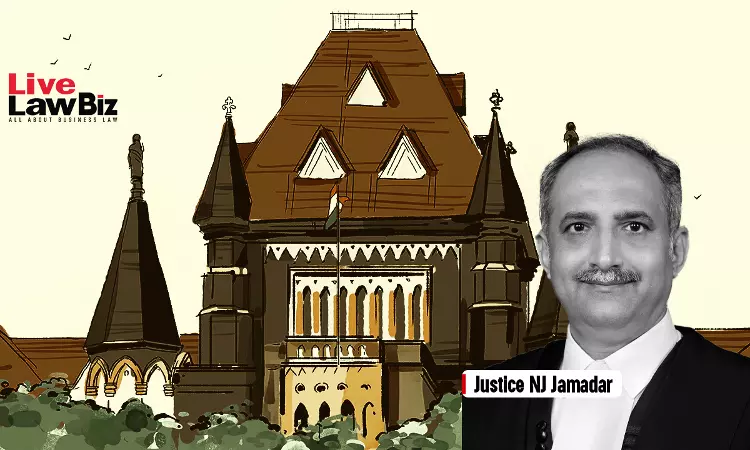
The Bombay High Court has clarified that under the Recovery of Debts and Bankruptcy Act, the Debts Recovery Tribunal (DRT) has jurisdiction only over recovery applications filed by banks and financial institutions and cannot entertain suits or proceedings initiated by borrowers or third parties against banks.
Justice N. J. Jamadar said that while the Recovery of Debts and Bankruptcy Act bars civil court jurisdiction in respect of matters the DRT is empowered to decide, that bar does not extend to independent civil suits filed against banks.
“A conjoint reading of the provisions contained in Sections 17 and 18 of the RDB Act would indicate that the Tribunal under DRT has been conferred with jurisdiction to entertain and decide applications from the banks and financial institutions for recovery of debts. The Tribunal has no jurisdiction to try suits or proceedings at the instance of the borrowers or others against the banks and financial institutions,” the court observed.
The court noted that although Section 19 permits a defendant in bank-initiated DRT proceedings to raise a set-off or counter-claim, there is no statutory compulsion to do so, nor does the provision authorise the tribunal to entertain independent suits by borrowers or third parties.
The ruling came while hearing revision applications filed by the Central Bank of India, challenging a civil court order that had refused to reject a plaint for want of jurisdiction.
The dispute arose from an agreement for sale dated January 7, 2005, relating to a bungalow plot in a housing project at Panvel. The developer claimed the purchaser defaulted in payment and that the agreement stood terminated by a notice issued on November 28, 2006. During this period, the purchaser had created a mortgage over the plot in favour of the bank on January 11, 2005.
The bank subsequently initiated recovery proceedings before the DRT in 2008. Separately, the developer filed a civil suit seeking declarations that the agreement for sale stood validly rescinded and that the mortgage created in favour of the bank was not binding.
The bank argued that the civil suit was barred under Sections 17 and 18 of the RDB Act, contending that disputes concerning the mortgage fell exclusively within the jurisdiction of the DRT. Rejecting this contention, the High Court held that the DRT has no jurisdiction to try suits initiated by borrowers or third parties against banks.
Upholding the civil court's order, the High Court dismissed the bank's challenge.
For Applicant: Advocates Rohan Sawant, Vikas Mulik, Sunil Kadam
For Respondents: Senior Advocate A.S. Khandeparkar, Advocate Amogh K. Karandikar