
DRT Competent To Order Release Of Title Documents After Loan Settlement: Allahabad High Court
Upasna Agrawal
5 Jun 2026 1:44 PM IST
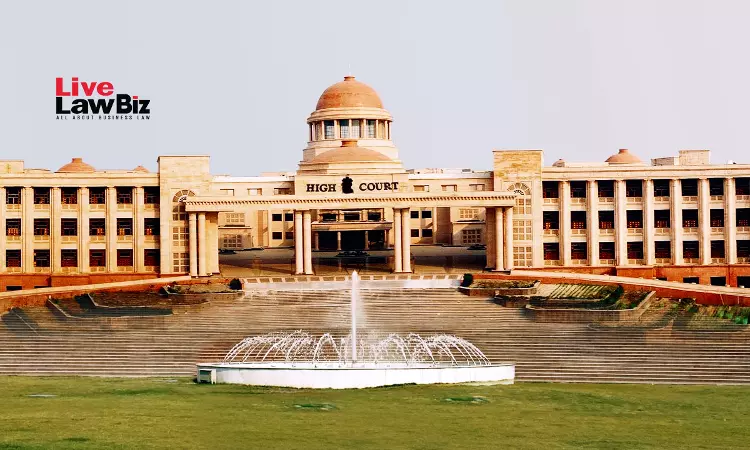
On 4 June, the Allahabad High Court held that the Debts Recovery Tribunal (DRT) can decide applications seeking release of title documents from a bank after full repayment of a loan. Borrowers cannot invoke writ jurisdiction for release of such documents when an effective remedy is available before the DRT.
A Division Bench of Justices Shekhar B. Saraf and Abdhesh Kumar Chaudhary dismissed a writ petition filed by R.S. Contractors and Engineers against Canara Bank, holding that the petitioners should have approached the DRT for appropriate relief. The judges held:
“We do not find any cogent reasons as to why the petitioners did not approach the DRT for release of title documents and rushed to this Court, in case the loan had been fully settled and that too on the direction of the DRT. According to us, the DRT is well equipped and sufficiently empowered to pass directions to the Bank for release of the title documents, in that regard.”
R.S. Contractors and Engineers had availed a loan of Rs. 70 lakhs from Canara Bank by mortgaging the original title deed of a property belonging to petitioner No. 3, a partner of the firm. After the borrower defaulted, the bank rejected its request for a one-time settlement and published a notice for sale of the mortgaged property.
Petitioners challenged the bank's measures under Section 17 of the SARFAESI Act before the DRT. During the pendency of the proceedings, Canara Bank sold the property to the highest bidder. The DRT initially directed the petitioners to deposit Rs. 20 lakhs within one week and the remaining Rs. 50 lakhs within two months. It later directed them to pay interest as well.
Subsequently, the petitioners deposited the amounts directed by the DRT, following which they regained physical possession of the property. Canara Bank challenged the orders extending time for payment by filing multiple writ petitions before the High Court. The High Court dismissed those petitions on the ground of availability of an alternative remedy.
The petitioners later requested the bank to release the title documents. When the bank did not respond, they filed the present writ petition under Article 226 of the Constitution seeking a direction for release of the documents.
The Court noted that Canara Bank had filed an appeal before the Debts Recovery Appellate Tribunal (DRAT) after dismissal of its writ petitions. Since the appeal raised issues relating to extension of time and liability to pay interest, the Bench declined to examine the merits of the dispute. It observed:
“Apparently, these issues have factual implications and are to be decided before a proper forum and then only the title document has to be released, which, according to this Court, is an act of subsequent event after a Bank has issued a NOC or at least have filed some pleadings admitting the settlement. We do not find any such NOC or pleadings, rather a contrary stand has been taken by the respondent- Canara Bank. We are clear in our mind that this Court, while exercising its jurisdiction under Article 226 of the Constitution of India, does not wish to enter into any disputed questions of fact.”
The judges held that the appropriate forum must first decide the disputed questions relating to settlement of the loan and release of title documents. They reiterated that the DRT has adequate powers to direct the bank to release the documents if the borrowers establish their entitlement.
Accordingly, the High Court held that the DRT is the competent forum to consider the petitioners' request for release of title documents after repayment of the loan and dismissed the writ petition.
Counsel for Petitioner(s): Apoorv Dev, Ashutosh Chaubey, Prashant Kumar Singh
Counsel for Respondent(s): Praveen Dwivedi, Alok Saxena