
Karnataka High Court Upholds Cross-Subsidy Surcharge On Bagasse-Based Power Plants
Ananya Tangri
14 Sept 2026 11:10 AM IST
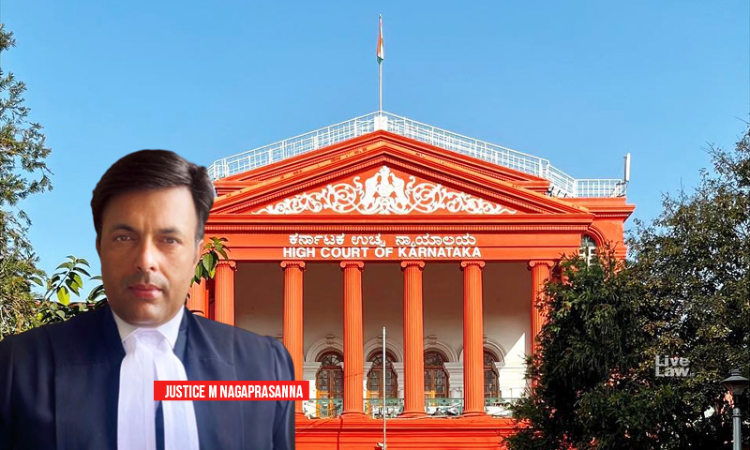
The Karnataka High Court has upheld cross-subsidy surcharge demands against bagasse-based cogeneration units, holding that exempting solar power projects from the levy while imposing it on bagasse-based cogeneration plants was not discriminatory.
Bagasse is the fibrous residue left after sugarcane is crushed to extract its juice
Justice M. Nagaprasanna dismissed a batch of petitions filed by Ugar Sugar Works Limited,Hiranyakeshi Sahakari Sakkare Karkhane Niyamit and Godavari Biorefineries Limited.
The court also rejected their challenges to Regulation 3(1) of the Karnataka Electricity Regulatory Commission (Licensing) Regulations, 2004, and the Electricity (Amendment) Rules, 2023.
The court held that the petitioners drew electricity through the distribution lines of Electricity Supply Companies and operated within Karnataka. They were consequently liable to pay the surcharge notwithstanding that the power was procured through interstate open access.
Rejecting the discrimination argument, the Court observed:
“The contention that solar power projects are exempted while bagasse-based cogeneration plants are levied with huge Surcharge being discriminatory, is a submission that is noted only to be rejected. The petitioners should pay the Surcharge and the contention that Solar power is exempted is neither here nor there. Therefore, the demand notices so issued, which are called in question in the petitions filed by the petitioner Nos.1, 2 and 3 stand sustained and the challenge or contentions advanced against the said demand notice fail.”
Background
The petitioners are sugar and biofuel companies that use sugarcane residue, known as bagasse, to generate electricity for their factories. They also obtain additional electricity from outside suppliers.
Karnataka's electricity distribution companies demanded a cross-subsidy surcharge because the petitioners bought power from other sources while remaining connected to the State distribution network. After the Karnataka Electricity Regulatory Commission upheld these demands, the companies approached the High Court.
Advocate Sridhar Prabhu argued that the petitioners procured electricity through interstate open access from the Indian Energy Exchange and that the surcharge could not be imposed under the Central Electricity Regulatory Commission's regulations.
He contended that the Electricity Supply Companies were not valid distribution licensees under Section 14 of the Electricity Act, 2003. The surcharge was also alleged to be discriminatory, since solar power projects were exempt, and barred by the two-year limitation under Section 56.
Advocate Shahbaaz Hussain submitted that the surcharge compensates distribution companies for revenue lost when high-paying consumers procure electricity elsewhere, thereby protecting subsidised supply to economically weaker consumers.
The respondents argued that the Electricity Supply Companies were deemed licensees and that the petitioners could not dispute their status after entering into power-purchase agreements with them.
Court's Findings
Relying on the Supreme Court's decisions in Sesa Sterlite Limited, Ramayana Ispat Private Limited and Jaipur Vidyut Vitaran Nigam Limited, the Court held that State Electricity Regulatory Commissions may regulate open access and impose cross-subsidy surcharge where electricity is distributed and consumed within the State.
It further held that neither Regulation 3(1) nor the Electricity (Amendment) Rules, 2023 was inconsistent with the Electricity Act. Finding no merit in the petitions, the Court dismissed them and sustained the demand notices.:
For Petitioners: Sridhar Prabhu
For Respondents: Shahbaaz Hussain and others