
Karnataka HC Bars Coercive Action Against Broadcasters Including Zee, JioStar Challenging 2% Cine Cess
Mehak Dhiman
28 Oct 2026 3:52 PM IST
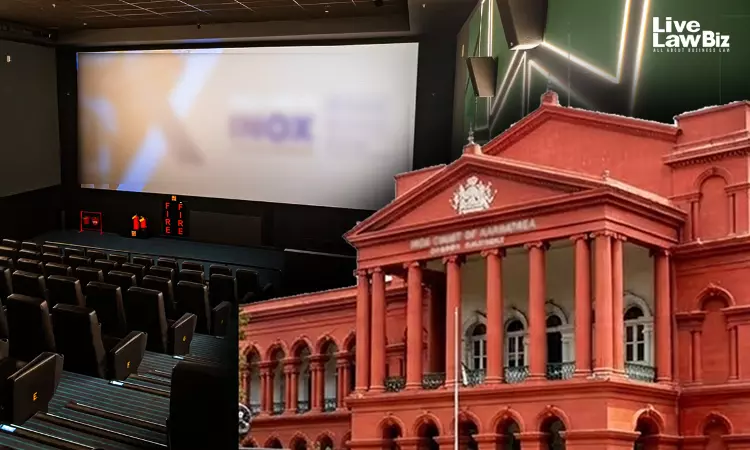
The Karnataka High Court on Wednesday sought the State Government's response to a challenge by television broadcasters to the 2% cess imposed on TV channels operating in Karnataka.
The court also directed that no coercive action be taken against the broadcasters in connection with the levy.
The petition has been filed by the Indian Broadcasting and Digital Foundation (IBDF), along with broadcasters including JioStar India and Zee Entertainment Enterprises, challenging the Karnataka Cine and Cultural Activists (Welfare) Act, 2024, its 2025 amendment, the rules framed under the legislation, and a notification bringing the Act into force from September 30, 2026.
Justice H.T. Narendra Prasad was hearing the matter.
The broadcasters have challenged Rule 8(2) of the Karnataka Cine and Cultural Activists Social Security and Welfare Rules, 2025, which prescribes a 2% cess on the “total transaction” of television entertainment channels operating in the State. They contend that the rules go beyond the parent legislation and do not define what constitutes a “total transaction” or specify the revenue on which the levy must be calculated.
The petitioners have also questioned the State Legislature's authority to impose the cess, arguing that broadcasting falls within the Union Government's legislative domain under Entry 31 of the Union List. They contend that a welfare levy cannot be imposed on broadcasters who are not employers of the cine and cultural workers whom the legislation seeks to benefit.
Appearing for the petitioners, Gitanajali Miriam Mathew argued that television broadcasters stand on a different footing from cinema theatre owners because they do not directly collect subscription fees from viewers and cannot comply with the obligations imposed under the Act.
“...In terms of the broadcasting channels, those owners of television channels—we have no interaction with the subscribers.... The submission that we are making is it is impossible for us to comply,” counsel submitted.
The Court asked which provisions of the legislation applied to the petitioners. Counsel referred to Section 2(o), which defines a “related establishment” to include standalone cinema theatres, multiplexes, over-the-top platforms and television channels.
The counsel referred to Section 9, which provides for a cess on cinema tickets, subscription fees and revenue generated by related establishments in Karnataka.
It was submitted that broadcasters do not collect subscription fees directly from subscribers and referred to regulations framed by the Telecom Regulatory Authority of India (TRAI), which govern the relationship between broadcasters and distribution platforms.
The petitioners further argued that they could not comply with Section 11 of the Act, which requires establishment owners to deposit the cess and submit half-yearly returns, as they do not have access to the subscriber-level information required to calculate the levy.
The petitioners raised concerns that the levy could result in cascading taxation. They submit that the same television subscription could attract the 2% cess at multiple stages of the distribution chain, potentially exceeding the statutory ceiling prescribed under the Act.
After hearing the submissions, the Court directed the Government Advocate to accept notice on behalf of the State Government and the Department of Labour.
The Court noted the State's earlier undertaking in the connected proceedings, W.P. No. 30670/2026, filed by the Multiplex Association, that it would not take coercive steps against the petitioners until the next date of hearing.
Extending similar protection in the present case, the Court ordered that no coercive steps be taken against the petitioning broadcasters until the next hearing.
“In these petitions also, [the Court] directs the respondents not to take any coercive steps against the petitioners till the next date of hearing,” the Court said.
The matter was directed to be listed along with the connected petitions.
The interim protection is limited to the petitioning broadcasters and does not amount to a general stay of the cess or extend protection to all cinema theatre owners and related establishments.
The matter is to be heard next on November 17, 2026.