
Limitation To Pass Transfer Pricing Order Cannot Be Extended By Treating Remand As Fresh Reference: Karnataka High Court
Mehak Dhiman
31 March 2026 6:18 PM IST
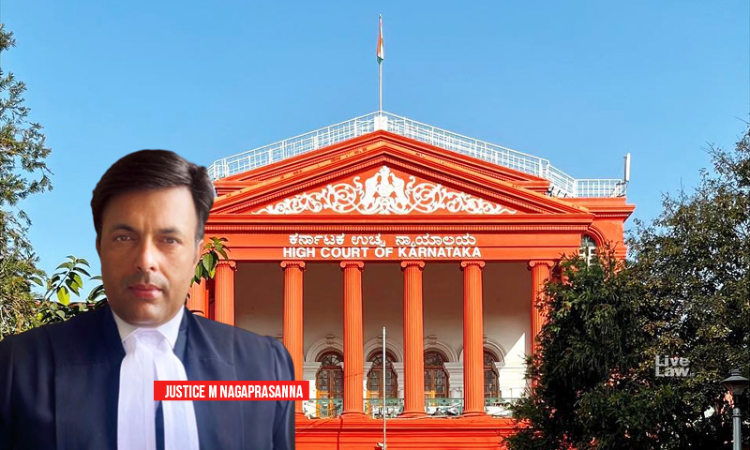
Rejecting the income tax department's attempt to treat a Tribunal remand as a fresh transfer pricing reference to extend limitation, the Karnataka High Court has held that no order can be passed once the statutory time limit expires.
A single-judge bench of Justice Nagaprasanna emphasised that there is a “world of difference” between a reference made by the Assessing Officer to the Transfer Pricing Officer under Section 92CA(1) and a remand of the matter by the Tribunal, rejecting the Revenue's attempt to treat both as triggering a fresh limitation period.
“In the light of the limitation getting expired on 31-03-2024, any action beyond the said date is de hors jurisdiction, as the question of limitation is always a question of jurisdiction. If a claim is barred by limitation either by the act of the revenue or the assessee, it would touch upon the jurisdiction of such claim. Respondents having passed no order pursuant to remittance by the Tribunal on or before 31-03-2024, they are precluded from passing any order now beyond the said date,” the Court added.
The ruling came in petitions filed by United Spirits Ltd. challenging a communication dated June 18, 2024 issued by the income tax department for Assessment Years 2013–14 and 2014–15.
Transfer pricing adjustments had originally been made by the Transfer Pricing Officer and incorporated into the assessment orders passed by the Assessing Officer.
The assessee had succeeded in part before the Income Tax Appellate Tribunal, which remanded certain issues to the Assessing Officer for fresh consideration.
According to the taxpayer company, the time for giving effect to the Tribunal's directions expired on March 31, 2024. However, no order was passed within that time. The department thereafter issued a communication stating that the limitation would extend up to March 31, 2025.
Challenging this, the taxpayer argued that once the limitation period expired, the department lost jurisdiction to pass any order.
The court examined the law governing transfer pricing and limitation. It noted that while Section 92CA enables determination of the arm's length price, the time limit for such exercise is governed by Section 153 of the Act.
Explaining the scope of limitation, the bench held that “Section 153(3) speaks about setting aside or cancelling an order of assessment passed under Section 92CA. Section 153(3) further provides the timeline for passing a fresh order under Section 92CA or fresh assessment, as the case would be. Therefore, Section 153(3) does not solely apply to setting aside or cancelling an order of assessment only, it applies even to cancelling an order under Section 92CA"
The court rejected the Revenue's contention that the case involved a fresh reference under Section 92CA(1) that would permit extension of time under Section 153(4). It held that a remand by the tribunal does not operate as a fresh reference.
Relying on the decision in New Delhi Television Limited v. Dispute Resolution Panel (2024), the court reiterated that a remand to the Transfer Pricing Officer is not equivalent to a reference by the Assessing Officer.
Accordingly, the High Court set aside the impugned communication and granted relief to the Spirits company.
For Petitioner: Senior Advocate Percy Pardiwalla for Advocate Tanmayee Rajkumar
For Respondent: Advocate Y.V. Ravi Raj