
Gujarat High Court Quashes Reassessment Over AO Treating Warranty Provision As Unascertained Liability
Arvind Kumar Tiwari
29 Jun 2026 5:47 PM IST
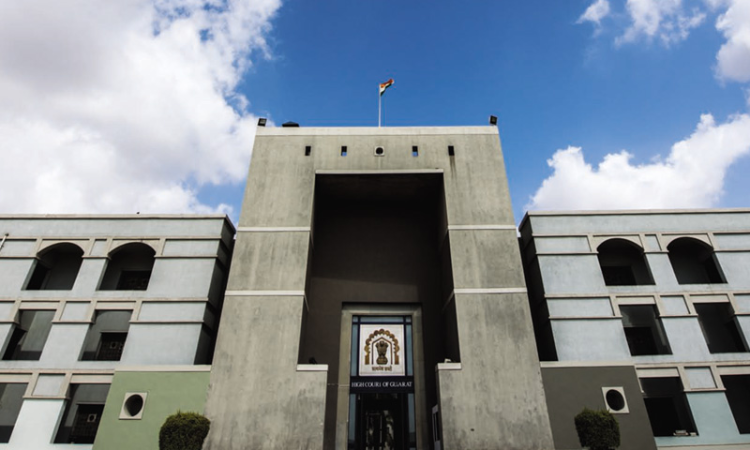
Gujarat High Court
The Gujarat High Court has quashed reassessment proceedings initiated against road construction equipment maker Ammann India Private Limited.
It held that the Revenue reopened the assessment by treating the company's scientifically determined warranty provision as an unascertained liability without considering the principles laid down by the Supreme Court, the Income Computation and Disclosure Standards (ICDS), or the material already available with the Assessing Officer.
A division bench of Justice A.S. Supehia and Justice Vaibhavi D. Nanavati allowed the company's writ petition. It quashed the reassessment notice as well as the order passed under Section 148A(d) of the Income Tax Act.
Referring to the Supreme Court's decision in Rotork Controls India Pvt. Ltd. v. Commissioner of Income Tax, the court observed:
"The warranty provision for the products should be based on the estimate at year end of future warranty expenses and such estimates need reassessment every year."
Ammann India filed its return for the assessment year 2017-18 declaring a total income of Rs. 73.65 crore. The Revenue subsequently initiated reassessment proceedings on two grounds. It alleged that the company had claimed excess deduction towards its warranty provision.
According to the Revenue, only the actual warranty expenditure was allowable, while the balance provision represented an unascertained liability. It also alleged that security deposits forfeited against C-Forms had not been offered to tax.
The company contended that the warranty provision had been created using a scientific method in accordance with the applicable accounting standards. It argued that the provision was an allowable business deduction.
The company also explained that the forfeited C-Form security deposits had been collected to safeguard against additional sales tax liability where customers failed to furnish C-Forms. It submitted that detailed customer-wise particulars and supporting documents had already been produced during the original assessment.
Examining the first ground, the court held that the Assessing Officer failed to consider the law governing warranty provisions laid down by the Supreme Court. It also overlooked the relevant ICDS provisions. The court noted that the company had adopted a scientific method based on historical data. It further noted that the warranty provision had been disclosed in the audited financial statements.
The court held, "The reopening is premised on the ignorance of the law enunciated by the Supreme Court and the provisions of ICDS and also non-consideration of the material which was already available with the Assessing Officer at the time of filing the return, the reopening of the assessment calls for interference."
The court also noted that similar deductions towards warranty provisions had been allowed in earlier assessment years. It further observed that the deduction had also been allowed for the subsequent assessment year.
Although the principle of res judicata does not apply to tax proceedings, the Assessing Officer was expected to consider the Revenue's acceptance of the same claim in earlier and subsequent years before reopening the assessment, the court held.
On the second ground, the court noted that the company had furnished detailed customer-wise particulars, Central Sales Tax ledger entries and challans during the original assessment proceedings.
Those documents explained the forfeited security deposits. The company had also explained that the deposits were used to discharge additional sales tax liability arising where customers failed to furnish C-Forms.
After examining the record, the court held that the material relied upon for reopening had already been placed before the Assessing Officer during the original assessment. It found that the explanation regarding the forfeited deposits had already been furnished.
The court held, "Thus, in our considered opinion, the reopening of the assessment is premised on the change of opinion only as the petitioner in his original return have in detail explained the forfeiture of security deposits taken against C-Forms."
Holding that neither of the two grounds justified reopening the assessment, the court quashed the reassessment notice. It also set aside the order passed under Section 148A(d).
For Petitioner: Dhinal A. Shah
For Respondent: Aaditya D. Bhatt