
INCOME TAX

ITAT Delhi Dismisses Multiple Revenue Appeals Against Make My Trip Across TP, TDS Issues
The Delhi Bench of the Income Tax Appellate Tribunal (ITAT) has dismissed a batch of appeals filed by the Revenue against MakeMyTrip India Pvt. Ltd. It held that advertisement, marketing, and promotion (AMP) expenditure cannot be treated as an international transaction where the Indian entity owns the brand and upheld deletion of a Rs. 31.81 crore transfer pricing adjustment. The bench comprising Judicial Member C.N. Prasad and Accountant Member M. Balaganesh was dealing with appeals arising...

Gujarat High Court Quashes Reassessment Based On GST Proceedings Set Aside, Finds No Independent Material
The Gujarat High Court has quashed reassessment proceedings initiated against an individual taxpayer, holding that reopening of assessment was uncalled for where it was based on GST proceedings that had already been set aside by the appellate authority and where no independent material existed to indicate escapement of income. “Apart from this, there is no other material which is in possession of the respondent No.1, which could prove that there has been an escapement of income and hence the...

SBI Not In Default For Not Deducting TDS On Employees' LFC In View Of Madras HC Order: ITAT Ahmedabad
The Ahmedabad Income Tax Appellate Tribunal (ITAT) has held that State Bank of India (SBI) cannot be treated as an “assessee in default” for failure to deduct tax at source on Leave Fare Concession (LFC) payments made to its employees, where such non-deduction was in compliance with binding interim orders of a High Court. A coam of Judicial Member Siddhartha Nautiyal and Accountant Member Narendra Prasad Sinha observed that, during the relevant period, the bank was bound by interim orders of...
60% Tax On Unexplained Income Prospective From April 2017, Not Applicable To AY 2017–18: ITAT Ahmedabad
The Ahmedabad bench of the Income Tax Appellate Tribunal (ITAT) has dismissed the Department's appeal in a dispute over the applicable tax rate on unexplained income, holding that the enhanced 60% tax under Section 115BBE cannot be applied to Assessment Year 2017–18 and that such a change cannot be made through rectification under Section 154.Section 115BBE of the Income Tax Act, 1961, imposes a steep penal tax rate on unexplained income, such as cash credits, investments, or assets found during...

ITAT Mumbai Deletes ₹48.97 Lakh Tax Addition Against Zee Entertainment For Failing To Record Reasons
The Income Tax Appellate Tribunal (ITAT) at Mumbai has recently given relief to Zee Entertainment Enterprises Ltd by deleting a Rs 48.97 lakh tax addition under Section 14A of the Income Tax Act, 1961, which deals with expenses linked to earning tax-free income. The Tribunal held that tax officers cannot recalculate such expenses without first clearly explaining why they disagree with the company's own calculation. A coram comprising Judicial Member Anikesh Banerjee and Accountant Member Arun...

Finance Bill 2026: 12% Surcharge on Buybacks Applies Only to Additional Tax on Promoters'; Income Tax Dept. Clarifies
The Income Tax Department has clarified that the proposed 12% surcharge in the Finance Bill, 2026 will apply only to the additional income-tax payable by promoters on capital gains arising from buybacks, and not on the entire gains. In a clarification issued on March 26, 2026, the Department explained that the amendment relates to taxation of capital gains earned by promoters when companies buy back their own shares under section 68 of the Companies Act, 2013, which governs share...
Cash Deposits During Demonetisation Cannot Be Treated As Unexplained If Recorded In Books: ITAT Chennai
The Chennai Bench of the Income Tax Appellate Tribunal (ITAT) on 3 March 2026 held that cash deposits made during the demonetisation period cannot be treated as unexplained under Section 68 of the Income Tax Act, 1961, if corresponding sales are accepted and recorded in the books of account. A Bench comprising Judicial Member S.S. Viswanethra Ravi and Accountant Member S.R. Raghunatha allowed an appeal by Vinayaga Fireworks, a Sivakasi-based cracker manufacturer, against an order of the...
Gujarat High Court Condones Delay In Filing Income Tax Return, Finds Accountant's Error Caused Genuine Hardship
The Gujarat High Court has held that a taxpayer's delay in filing its income tax return due to a bona fide misunderstanding of audit requirements under Section 44AB of the Income Tax Act, resulting in denial of a tax deduction under Section 80-IAB for Special Economic Zone developers, constitutes “genuine hardship” warranting condonation.The case arose from the petitioner firm's failure to file its return of income for Assessment Year 2023–24 within the prescribed due date of 31 July 2023. The...
Bona Fide Delay Justifies Tax Benefit, “Genuine Hardship” Must Be Liberally Applied: Gujarat High Court
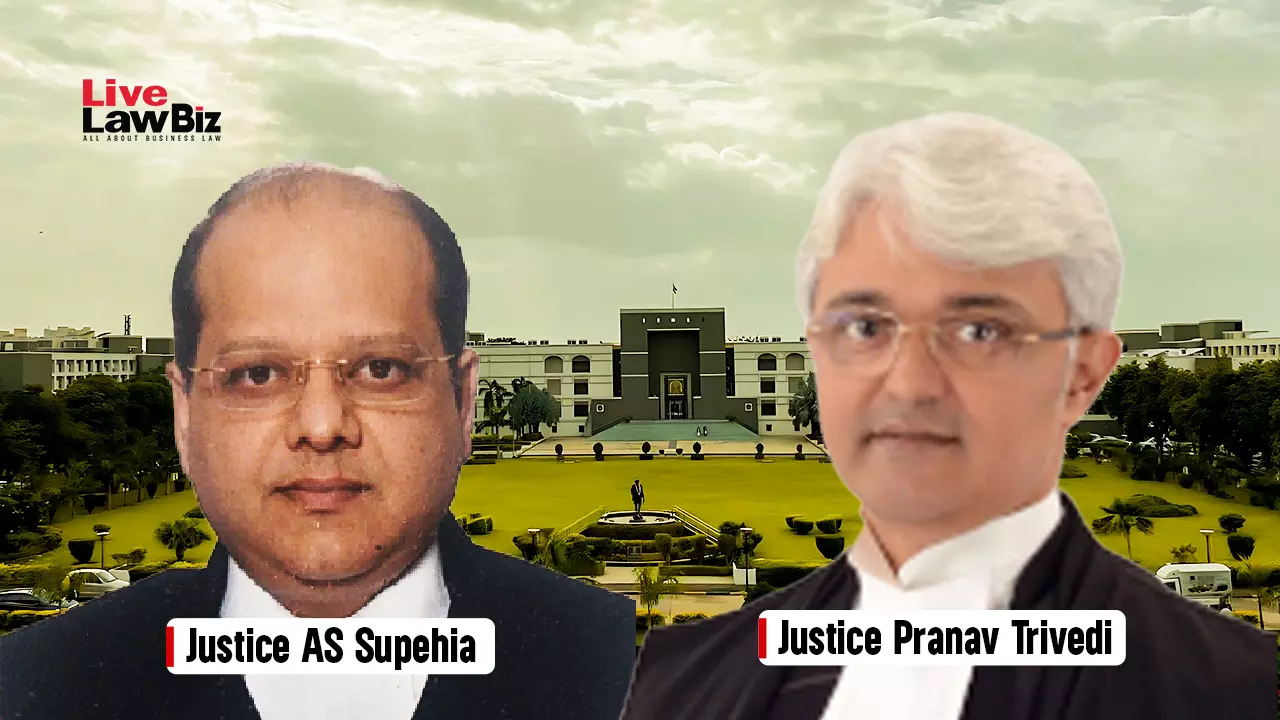
The Gujarat High Court on 16 March, held that a bona fide delay of 53 days in filing Form 10-IC cannot deprive an eligible taxpayer of concessional tax benefits. The expression “genuine hardship” under the Income Tax Act must be given a liberal, justice-oriented interpretation. Form 10-IC is a declaration filed by a company to opt for the concessional corporate tax rate under Section 115BAA of the Income Tax Act.A Bench comprising Justice A.S. Supehia and Justice Pranav Trivedi allowed...
Bona Fide Delay In Filing Tax Appeal Caused By Pursuing Alternate Remedy Condonable: ITAT Chennai
The Chennai Bench of the Income Tax Appellate Tribunal (ITAT) held that a delay of 1036 days in filing an appeal could be condoned when it arose from pursuing an alternate remedy and was not deliberate. A Bench comprising Vice President George George K and Accountant Member S.R. Raghunatha, in an appeal filed by A-One Leathers for Assessment Year 2015-16, remanded the matter to the Assessing Officer to examine a claim of double taxation. It observed: “The delay… neither wanton nor willful but...
Ad-Hoc Estimation of Income Without Rejecting Books of Account Not Permissible: ITAT Kolkata
The Kolkata Bench of the Income Tax Appellate Tribunal (ITAT) on 17 February 2026 held that income cannot be estimated on an ad-hoc basis without first rejecting the books of account, and set aside an addition made on that basis while quashing the reassessment proceedings. The Bench comprising Accountant Member Rajesh Kumar and Judicial Member Pradip Kumar Choubey allowed the appeal filed by Rakhi Mondal for Assessment Year 2017-18. It held: “the said reopening has been done without meeting...

Double Taxation Of Share Application Money Impermissible: ITAT Kolkata
The Kolkata Bench of the Income Tax Appellate Tribunal (ITAT) on 6 March, held that taxing share application money already taxed in the hands of investor companies amounts to impermissible double addition. The Bench comprising Accountant Member Rajesh Kumar and Judicial Member Pradip Kumar Choubey dismissed the Revenue's appeal against Littlestar Securities Pvt. Ltd. for Assessment Year 2012-13 and upheld the deletion of Rs. 27.63 crore added as unexplained cash credit. The Tribunal...