
Approved Resolution Plan Binding On Revenue, Stamp Authorities; Mutation Cannot Be Denied: MP High Court
Shilpa Soman
11 April 2026 1:26 PM IST
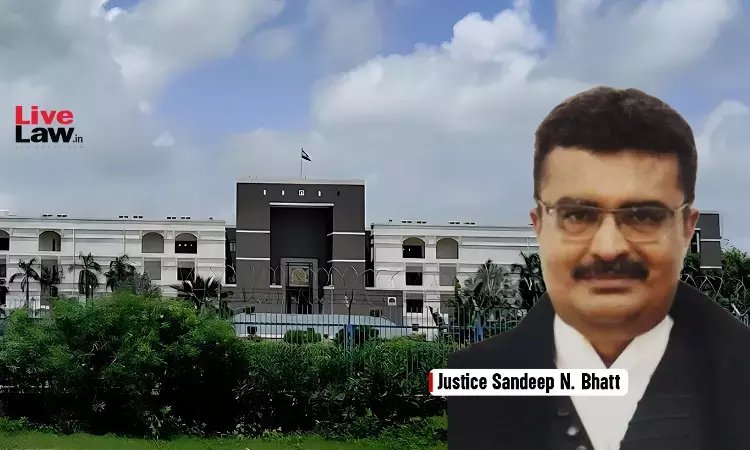
The Madhya Pradesh High Court has held that an approved resolution plan under Section 31 of the Insolvency and Bankruptcy Code is binding on all authorities, including revenue and stamp authorities, and that refusal to carry out mutation in land records would be contrary to the statutory mandate.
A single-judge Bench of Justice Sandeep N. Bhatt, while allowing an interim application, observed that the inaction of revenue authorities in mutating the petitioner's name despite an approved resolution plan was “unexplained and contrary to the settled principle governing mutation proceedings."
“Considering the provisions of Section 31 of IBC which is giving statutory mandate, the approved resolution plan is binding on all authorities, including Revenue and Stamp Authorities and the refusal to effect mutation can be considered as contrary to the statutory mandate" the court held.
The court was hearing an interim application filed by Mahan Energen Limited seeking directions to mutate its name in land and revenue records in place of its predecessor, Essar Power M.P. Limited.
The company submitted that it had become the owner and successor-in-interest of the subject lands following approval and implementation of a resolution plan under Section 31 of the IBC. It further pointed out that its change in corporate name had already been recognised by the Registrar of Companies.
It was also contended that while the authorities had been accepting land revenue in the name of Mahan Energen Limited, they had failed to carry out mutation in the revenue records. The petitioner argued that such mutation was merely a consequential and ministerial act and that the continued failure was causing business prejudice, including difficulties in financing and regulatory compliances.
Opposing the plea, the State submitted that granting such relief at the interim stage would effectively amount to allowing the main petition. It also contended that the State was not a party before the NCLT when the resolution plan was approved and that it is challenging the NCLT order before the High Court.
Considering the rival submissions, the Court held that once a resolution plan is approved by the adjudicating authority, its effect is binding on all authorities. The Bench noted that the NCLT's approval order continues to operate and has neither been stayed nor set aside.
"I am of the opinion that the resolution plan which is given by the NCLT, the effect of the same is binding on every authority and though the petitioner has approached the authority, the authorities have failed to carry out the mutation of the company's name in the land/revenue records. It also transpires that, that inaction is continuing, unexplained and contrary to the settled principle governing mutation proceedings," the Court observed.
The court further noted that the State did not dispute the petitioner's status as successor-in-interest and had been accepting land revenue in its name. It also recorded that the Registrar of Companies had already recognised the company's new identity.
Emphasising the nature of mutation proceedings, the Bench held that mutation based on a judicial or quasi-judicial order is a ministerial act and not discretionary.
“The Revenue Authorities are bound to carry out such entry once foundational facts are undisputed they cannot convert this administrative functioning into quorum of adjudicating collateral issues, more particularly when the competent authority has passed the order," the court said.
Accordingly, the court allowed the interim application and directed the respondent authorities to carry out the mutation in revenue records within three weeks from the date of receipt of the certified copy of the order.
The matter has been listed for further hearing in the week commencing May 4, 2026.
For Petitioner: Senior Advocate Sahil Sonkusale
For State: Deputy Advocate General