
IBC
Deadlocks In Equal Shareholding Should Be Resolved By Buyout Of Shares: NCLT Mumbai
The National Company Law Appellate Tribunal (NCLT), Mumbai bench, comprising Mr. Kishore Vemulapalli Hon'ble Member (Judicial Member) and Ms. Anu Jagmohan Singh (Technical Member) has held that in cases of equal shareholding and director representation among shareholders, where a deadlock arises in the day-to-day management of the company, the deadlock should be resolved by one group purchasing the shares of the other.Background:The Petitioners filed the Company Petition, challenging illegal...
NCLAT: Operational Creditor Can't Claim Priority Over Unsecured Financial Creditor In Liquidation
The National Company Law Appellate Tribunal bench, comprising Justice Ashok Bhushan (Chairperson) and Arun Baroka (Technical Member) held that under Section 53(1) of the Insolvency and Bankruptcy Code (IBC), unsecured financial creditors have priority in the waterfall mechanism over operational creditors in the distribution of a corporate debtor's liquidation estate. The tribunal reiterated that there is no distinction between related-party unsecured financial creditors and other unsecured...
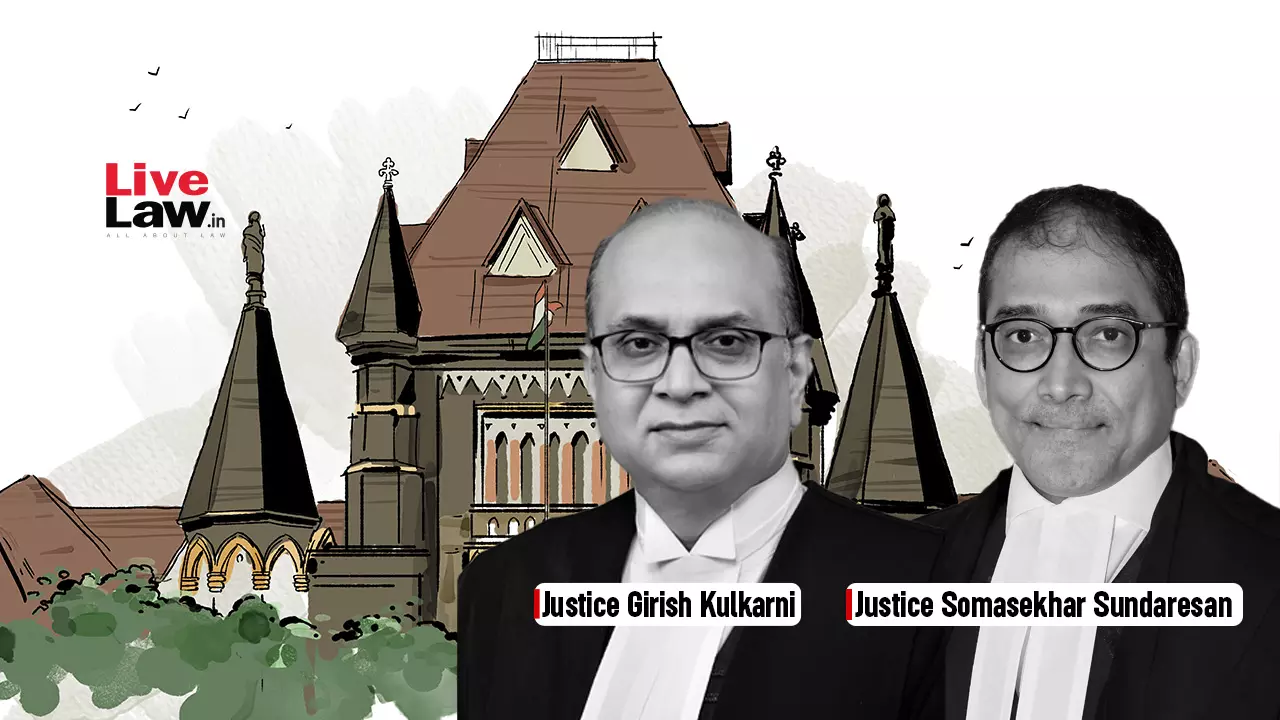
Initiating Tax Proceedings After CIRP Approval Violates Section 31 IBC: Bombay High Court
Recently, the Bombay High Court dealt with a writ petition filed by Uttam Value Steels Ltd. and Mr. Subodh Karmarkar, challenging several notices issued by the Income Tax Department under various provisions of the Income Tax Act, 1961. The dispute revolved around tax claims and proceedings initiated by the Income Tax authorities against Uttam Value Steels Ltd., despite the company having successfully undergone a Corporate Insolvency Resolution Process (CIRP) under the Insolvency and Bankruptcy...
NCLAT Affirms 'Nil' Payment To Operational Creditors In Resolution Plan
The National Company Law Appellate Tribunal, New Delhi bench, presided by Justice Ashok Bhushan, upheld the Resolution plan, which proposed NIL payment to the operational creditors in the event of Liquidation, reiterating its decision in Rajat Metaal Polychem Pvt. Ltd. vs. Mr. Neeraj Bhatia and Anr., which held that no exception can be taken to such Plans, which provide payment to Operational Creditor in accordance with Section 30(2)(b) of the Insolvency and Bankruptcy Code, 2016.Background...
NCLAT Rules Pre-CIRP Dues Must Be Paid As Per Resolution Plan; Voluntary Payments Post-CIRP To Be Appropriated Towards CIRP Dues
The National Company Law Appellate Tribunal (NCLAT) bench comprising Justice Ashok Bhushan (Chairperson) and Barun Mitra, Member (Technical) has held that pre-CIRP dues of the Corporate Debtor must be settled in accordance with the approved resolution plan, and any voluntary payments made by the Corporate Debtor after the commencement of CIRP must be appropriated towards CIRP dues. The Tribunal observed insisting on a different manner of payment than what is specified in the resolution plan,...

NCLAT Upholds Liquidator's Discretion To Reject Claims Based On Post-Liquidation Arbitral Awards
The National Company Law Appellate Tribunal (NCLAT) bench, comprising Justice Ashok Bhushan (Chairperson) and Arun Baroka (Technical Member), has held that a Liquidator has the authority under Section 33(5) of the Insolvency and Bankruptcy Code, to decide to reject a claim that is made after the Liquidation Commencement Date. The Tribunal noted that the scheme of Regulations 12 and 16 of the IBBI (Liquidation Process) Regulations 2016 clearly contemplate that a claim cannot be admitted...

NCLAT: Section 37 Of The MVAT Act And Section 33 Of The MPVAT Act Not Pari Materia With Section 48 Of The GVAT Act
The National Company Law Appellate Tribunal, New Delhi bench, comprising Justice Rakesh Kumar Jain (Judicial Member), Mr. Naresh Salecha (Technical Member), and Mr. Indevar Pandey (Technical Member) has held that Section 37 of the Maharashtra Value Added Tax Act, 2002 (“MVAT Act") and Section 33 of the Madhya Pradesh Value Added Tax Act, 2002 (“MPVAT Act”) are not pari materia with Section 48 of the Gujarat Value Added Tax Act, 2003 (“GVAT Act”). The Tribunal held that the claim of the...
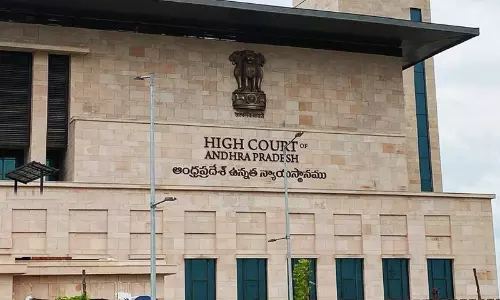
NCLT Order Prevails Over GST Demand, Even If State Is Not Notified About Pending NCLT Proceedings: Andhra Pradesh High Court
The Andhra Pradesh High Court stated that National Company Law Tribunal (NCLT) order prevails over Goods and Services Tax (GST) demand, even if the state government is not notified about the pending NCLT proceedings. The Division Bench of Justices R. Raghunandan Rao and Harinath N. observed that “the contention of the department that the order of NCLT is not binding on the State of Andhra Pradesh in view of Section 88 of the GST Act would have to be negatived in as much as Section 238...
Failure To Provide Time To Cure Defect In Section 9 Application Violates Procedural Mandate: NCLAT
NCLAT Delhi recently set aside an order passed by the National Company Law Tribunal (NCLT), Ahmedabad, in the case of Shiv Glitz Hotels and Resorts LLP v. Oravel Stays Ltd., where the NCLT had dismissed a Section 9 application under the Insolvency and Bankruptcy Code (IBC), 2016, without merits. The appeal was filed by Shiv Glitz Hotels and Resorts LLP, an operational creditor, after the NCLT failed to provide an opportunity to rectify the defects in the application, as required by the...
Prohibition On Filing Applications Under Sections 7, 8, And 10 Remains Effective Even After Section 10A Period Has Expired: NCLAT Principal Bench
The National Company Law Appellate Tribunal Principal Bench, New Delhi bench of Justice Ashok Bhushan (Chairperson), Barun Mitra (Technical Member) and Arun Baroka (Technical Member) has held that primary purpose of Section 10A of the IBC was to provide relief to corporate debtors who defaulted during the period specified in the section. It held that although the debt itself is not extinguished, Section 10A specifically bars applications under Sections 7, 8, and 10. Further, the bench...
Limitation Period For Appeals Under IBC Starts From Date Of Order Pronouncement; Intervenors Can't Claim Ignorance To Justify Delay: NCLAT Principal Bench
The National Company Law Appellate Tribunal Principal Bench, New Delhi bench of Justice Rakesh Kumar Jain (Judicial Member) and Indevar Pandey (Technical Member) has held that under the Insolvency and Bankruptcy Code (IBC), the limitation period for filing an appeal must be calculated from the date of pronouncement of the order. The bench held that a party involved in the proceedings, particularly as an intervenor, is presumed to have knowledge of the case and the order passed....
Repeated Section 9 IBC Applications Indicate Misuse Of IBC To “Arm-Twist” Solvent Company For Extortion: NCLAT
The National Company Law Appellate Tribunal (NCLAT) bench comprising Justice Ashok Bhushan (Chairperson), Barun Mitra (Technical Member), and Arun Baroka (Technical Member) has held that the repeated filings of Section 9 applications and withdrawals indicate an attempt to misuse the provisions of the Insolvency and Bankruptcy Code (IBC) to “arm-twist” the Respondent, a solvent company to illegally extort monies rather than pursuing genuine insolvency resolution. Background Facts: ...