
Gauhati High Court Says How GST Proceedings Are to Be Initiated Can't Be Decided in Writ Petition
Rajnandini Dutta
6 Aug 2026 9:06 PM IST
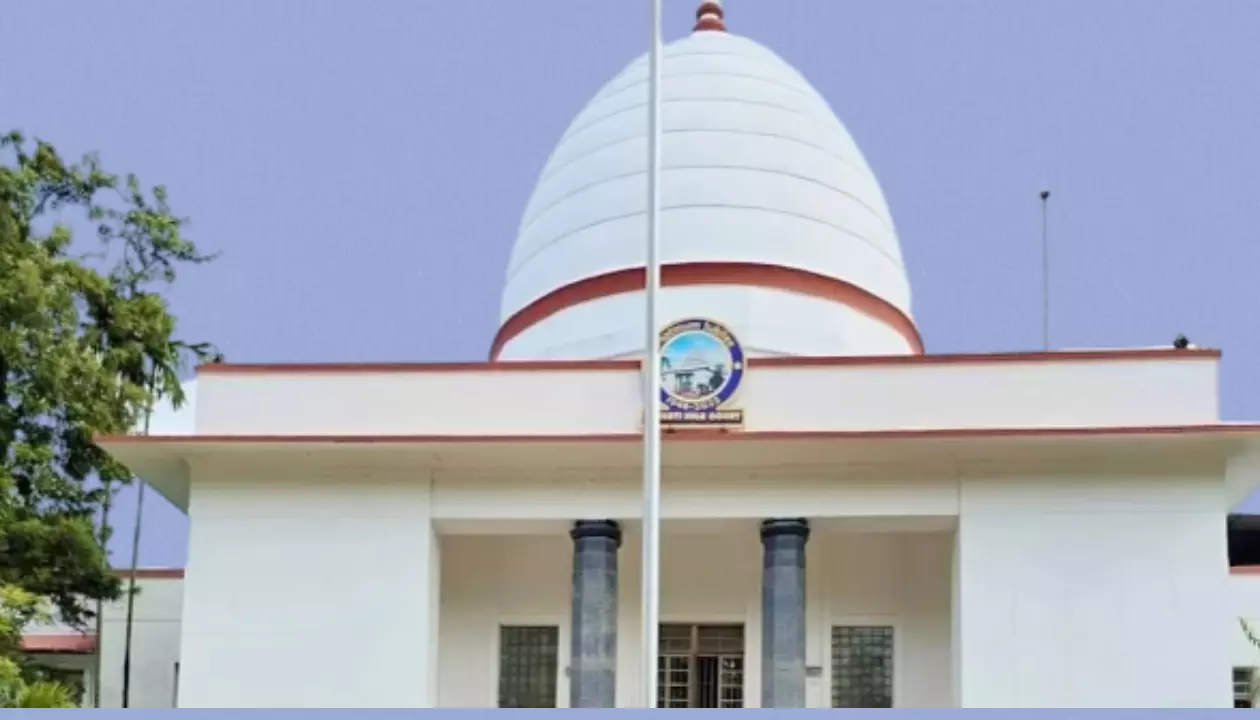
The Gauhati High Court has ruled that a writ petition is not the appropriate forum to decide whether GST proceedings should be initiated under the normal recovery provisions or the fraud-related provisions of the CGST Act, as that issue requires factual adjudication by the proper officer.
Single Judge Justice Devashis Baruah observed that whether a taxpayer committed fraud, made a wilful misstatement or suppressed facts to evade tax can only be determined after examining the facts and, therefore, cannot be decided in proceedings under Article 226 of the Constitution.
"It is the opinion of this Court that for deciding whether a case is made out in terms with Section 73 or Section 74 of the Act of 2017, there is a requirement of adjudication of facts. The aspect as to whether fraud had been committed or any willful misstatement had been made or there is suppression of facts to evade tax cannot be decided in proceedings under Article 226 of the Constitution. The Proper Officer on the other hand can adjudicate such factual aspects."
The ruling came while disposing of a writ petition filed by Gias Uddin Ahmed and another, who had challenged a demand-cum-show cause notice issued by the Deputy Director of the Directorate General of GST Intelligence (DGGI), Guwahati Zonal Unit.
They argued that the proceedings should have been initiated under the normal recovery provisions instead of the fraud-related provisions of the CGST Act. They also contended that the notice was invalid because it was issued as a single show cause notice covering four financial years.
The court first rejected the challenge to the consolidated show cause notice, observing that the issue had already been settled in Tata Projects Limited v. Union of India.
In that case, the court held there is no legal bar on issuing a single show cause notice or passing a consolidated adjudication order covering multiple financial years.
Turning to the petitioners' contention, the court observed that deciding whether the case falls under the normal recovery provisions or the fraud-related provisions depends on factual findings that must be made during adjudication. It noted that the petitioners were free to raise all such contentions before the proper officer while replying to the show cause notice.
The court also observed that the CGST Act provides statutory appellate remedies against any order passed under the relevant provisions. Such an order can be challenged before the appellate authority and, thereafter, before the GST Appellate Tribunal, where factual disputes can be examined.
The court declined to entertain the writ petition but granted the petitioners 30 days from the date of the judgment to file their reply to the show cause notice. It also directed that the period from April 18, 2024, until the date of the judgment would be excluded while computing the time available to the tax authorities to complete the adjudication proceedings
For Petitioners: Advocate N. Hawelia,
For Respondents: Advocate S.C. Keyal, Senior Advocate, assisted by N. Kakati,