
Time Awaiting MCA Nod Cannot Extend Limitation For Companies Act Prosecution Where Law Mandates No Sanction: MP High Court
Sandhra Suresh
15 May 2026 5:59 PM IST
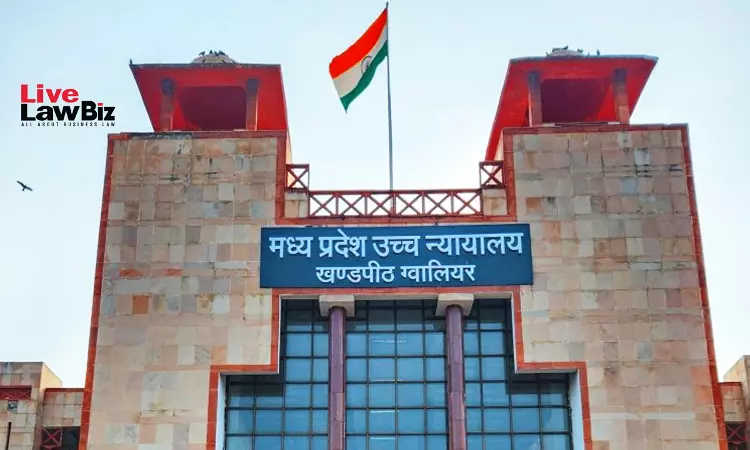
The Madhya Pradesh High Court at Gwalior has recently held that where the law does not require prior government sanction to prosecute, authorities cannot rely on time spent awaiting administrative instructions to extend the two-year limitation period for filing a criminal complaint.
Justice Rajesh Kumar Gupta observed, “Administrative approvals, departmental communications, or internal procedures cannot override the mandate of Sections 468 and 469 Cr.P.C. Unless the statute specifically requires previous sanction or consent for prosecution, such internal processes cannot suspend or extend limitation.”
He further held, “No provision of the Companies Act, 2013 has been shown requiring prior sanction of the Ministry for prosecuting an offence under Section 186(13). Therefore, the respondent cannot claim benefit of time allegedly spent awaiting instructions.”
With these observations, the Court quashed criminal proceedings initiated by the Registrar of Companies (ROC) against Jaideep Ispat and Alloys Pvt. Ltd. and its director over allegations that the company failed to fully disclose details of loans and advances in its financial statements.
The petition was directed against a January 20, 2024 order of the Chief Judicial Magistrate, Gwalior, which held the ROC's complaint to be within limitation, took cognisance of the alleged offences, and registered the case.
The complaint, filed by the ROC on October 16, 2023, alleged that Jaideep Ispat had failed to disclose complete particulars of loans and advances in its financial statements for 2012–13, 2013–14, and 2014–15, as required under the Companies Act.
According to the complaint, the ROC began its enquiry in 2017 and submitted reports to the Ministry of Corporate Affairs on November 2, 2017, April 24, 2018, and October 4, 2019.
A further notice seeking additional information was issued on November 27, 2020, and the company's reply was received on January 14, 2021.
The ROC contended that it launched prosecution only after receiving instructions from the Ministry on April 26, 2023, and that the limitation period should therefore be counted from that date.
The petitioners argued that the alleged offence carries a maximum punishment of two years, meaning the complaint had to be filed within two years from when the ROC gained knowledge of the alleged violation. Since the ROC had full knowledge at least by January 14, 2021, they argued that the deadline expired on January 13, 2023.
Accepting this contention, the High Court held that even on the most favourable reading for the ROC, the limitation could not be pushed beyond January 14, 2021 because by then the authority had sufficient material to decide whether prosecution was warranted.
The complaint filed on October 16, 2023 was therefore clearly time-barred, the court held.
The court also rejected the argument that the alleged omission was a continuing offence, holding that any non-disclosure was complete when the financial statements were filed.
Accordingly, the High Court set aside the Magistrate's order and quashed the complaint and all consequential proceedings.
For Petitioners: Advocates Ankur Modi and Karan Virvani
For Respondents: Advocate Praveen Kumar Newaskar