
COMPANY LAW
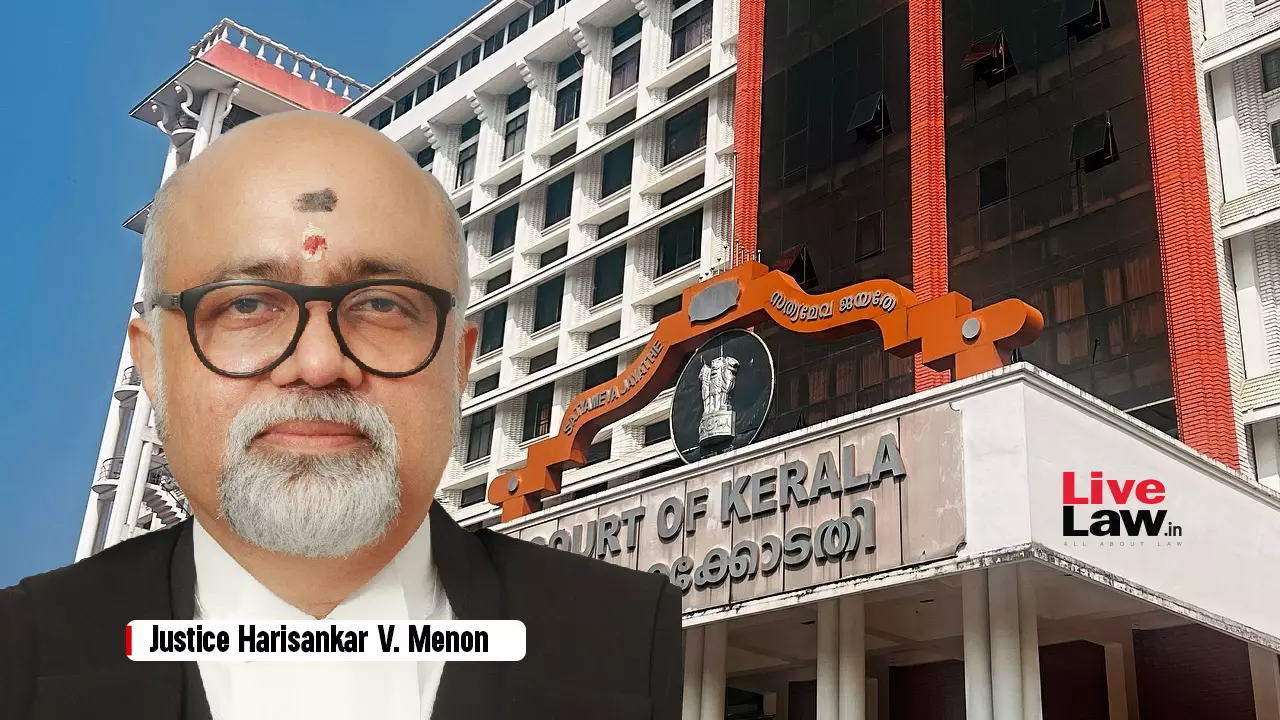
NCLT Consent Order Does Not Bar Appeal Against Unconsented Penalty: Kerala High Court
The Kerala High Court on 10 June held that even where an order of the National Company Law Tribunal (NCLT) is recorded as a consent order, a party may still challenge a penal condition before the appellate tribunal if it was not specifically consented to. Justice Harisankar V. Menon disposed of a writ petition filed by Gramox Paper & Boards (P) Ltd and its authorised representative, granting them liberty to challenge an NCLT Kochi Bench order before the National Company Law Appellate...
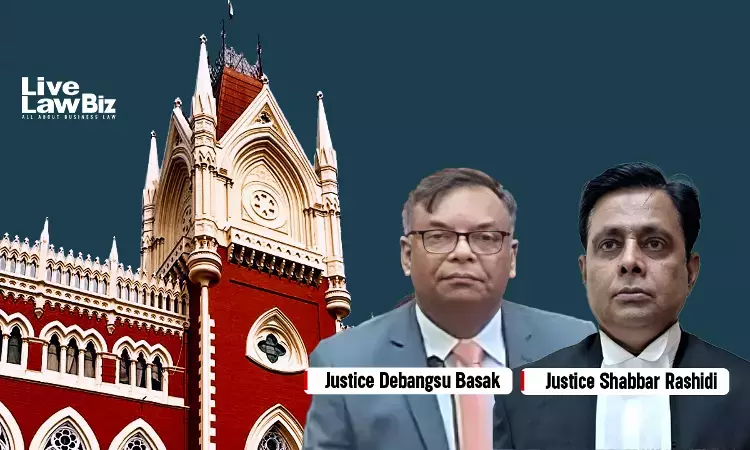
Company Court Can Transfer Winding-Up Proceedings To NCLT Without Formal Application: Calcutta High Court
The Calcutta High Court on 8 June held that a Company Court may transfer a pending winding-up proceeding to the National Company Law Tribunal (NCLT) even in the absence of a formal application by any party, provided it applies its mind and finds that the liquidation has not reached an irreversible stage. A Division Bench of Justices Debangsu Basak and Md. Shabbar Rashidi dismissed an appeal filed by creditor Anil Kumar Murarka and upheld the Company Court's order transferring the winding-up...
Advance Paid For Kerala Trade Centre Space Not A Deposit With Kerala Chamber Of Commerce: NCLAT
The Chennai Bench of the National Company Law Appellate Tribunal (NCLAT) on 2 June held that an advance of Rs. 30,00,000 paid towards the Kerala Trade Centre project did not constitute a deposit with the Kerala Chamber of Commerce & Industry, but represented only an advance for booking space in a separate entity. Judicial Member Justice Sharad Kumar Sharma and Technical Member Jatindranath Swain dismissed an appeal filed by KM Abdullah, affirming the National Company Law Tribunal (NCLT),...
NCLT Mumbai Holds AGM Default Compoundable, Levies ₹40.90 Lakh On Kolhapur Hotels Directors
The Mumbai Bench of the National Company Law Tribunal (NCLT) on 9 June compounded the violation, imposing a total compounding fee of Rs. 40.90 lakh on Kolhapur Hotels Pvt Ltd and its two directors for breach of Section 96 of the Companies Act relating to Annual General Meeting (AGM) requirements. Judicial Member Ashish Kalia and Technical Member Charanjeet Singh Gulati also ruled that the benefit available to small companies under Section 446B of the Companies Act applies only to “penalties”...
NCLT Mumbai Dispenses With Stakeholder Meetings For Merger Of Raymond's Wholly Owned Subsidiary Into It
The National Company Law Tribunal at Mumbai has recently dispensed with meetings of shareholders and creditors in connection with the proposed merger of Everblue Apparel Limited (EBAL), a wholly owned subsidiary of Raymond Limited, with Raymond Limited.A bench of Judicial Member Sushil Mahadeorao Kochey and Technical Member Prabhat Kumar passed the order on an application filed under Sections 230 to 232 of the Companies Act, 2013 seeking directions in relation to the proposed merger.The scheme...

NCLT Mumbai Dispenses With Shareholder Meetings For Parle Group Restructuring Scheme
The Mumbai bench of the National Company Law Tribunal has dispensed with meetings of the equity shareholders of Parle Products Pvt Ltd, Parle Brands Pvt Ltd and Parle Biscuits Pvt Ltd. The order relates to a composite scheme involving the demerger of processed food, ancillary, and captive wind power businesses into a newly incorporated company and the amalgamation of Parle Products with Parle Biscuits. A bench of Judicial Member Sushil Mahadeorao Kochey and Technical Member Prabhat Kumar...
Financial Statements Can Be Revised If They Fail To Present True And Fair View: NCLT Chennai
The National Company Law Tribunal (NCLT) at Chennai has held that financial statements that do not accurately reflect the true nature of transactions and fail to present a true and fair view of a company's affairs may be revised. A bench of Judicial Member Sanjiv Jain and Technical Member Venkataraman Subramaniam observed that when financial statements do not accurately reflect the true nature of transactions and require correction to present a true and fair view, they may be revised. “Section...
NCLT Chennai Orders Shareholder, Creditor Meetings For Renault Group Restructuring Scheme
The National Company Law Tribunal (NCLT) at Chennai has allowed a first motion application concerning a proposed restructuring involving three Indian entities of French automobile maker Renault. The proposal envisages the demerger of Renault Nissan Automotive India Private Limited's powertrain business into Renault India Powertrain Private Limited. It also provides for the amalgamation of Renault Nissan Automotive India Private Limited with Renault India Private Limited. The tribunal...

NCLT Chennai Dispenses With Shareholder Meetings In Ford Motor-Ford India Merger
The National Company Law Tribunal (NCLT), Chennai, has permitted the proposed amalgamation of Ford Motor Private Limited with Ford India Private Limited to move to the next stage. While dispensing with meetings of equity shareholders of both companies, it directed meetings of unsecured creditors to consider the scheme. A coram of Judicial Member Sanjiv Jain and Technical Member Venkataraman Subramaniam passed the order on applications filed by the two Ford group entities seeking directions in...
NCLT Chennai Sanctions Merger Of Encore IT Services Solution With Sonata Software
The Chennai Bench of the National Company Law Tribunal (NCLT) on 5 June approved the amalgamation of Encore I.T Services Solution Private Limited with its holding company Sonata Software Limited, holding that the scheme did not prejudice the interests of the companies' members. Judicial Member Jyoti Kumar Tripathi and Technical Member Ravichandran Ramasamy allowed a joint company petition seeking sanction of the Scheme of Amalgamation. It observed: “This Tribunal is of the view that the scheme...
NCLT Guwahati Restores Company Struck Off 15 Years Ago, Cites Asset Ownership Despite Defaults
The Guwahati Bench of the National Company Law Tribunal (NCLT) on 12 June held that mere non-filing of statutory returns cannot, by itself, justify refusal to restore a company's name to the Register of Companies when records indicate that the company continued to hold assets or carry on business operations. Judicial Member Rammurti Kushawaha and Technical Member Yogendra Kumar Singh ordered restoration of the name of S P Investment and Development Company Pvt. Ltd. to the Register of Companies...
NCLT Mumbai Says Bank Did Not Relinquish Security Interest By Participating In First Creditors' Meeting
The National Company Law Tribunal (NCLT) in Mumbai bench has rejected a liquidator's contention that Kotak Mahindra Bank relinquished its security interest by proving its entire claim and participating in the first creditors' meeting during the winding up of Brijeel Foods & Beverages Pvt Ltd. The tribunal held that the bank remains entitled to enforce its security outside the winding-up proceedings. A bench of Judicial Member Sushil Mahadeorao Kochey and Technical Member Prabhat Kumar...