
Settlement Of Sale Of Goods Decretal Dues Retains Commercial Character: Calcutta High Court
Kirit Singhania
6 Oct 2026 4:36 PM IST
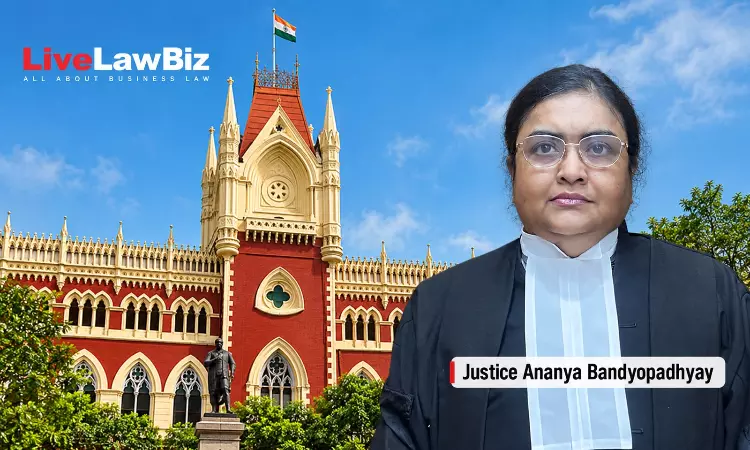
The Calcutta High Court on 29 September held that a subsequent settlement concerning decretal dues arising from a sale of goods transaction can retain the character of a commercial dispute under the Commercial Courts Act.
Justice Ananya Bandyopadhyay directed that the suit between M. Walter and Co. and Rajashi Developers Pvt Ltd be converted into a commercial suit, noting that the dispute constituted a commercial dispute under the Commercial Courts Act. The Bench observed:
“The commercial character of the present controversy therefore does not rest upon the business status of the parties, the monetary nature of the relief or the presence of immovable property. It rests upon the express and direct connection between the Settlement Agreement and the decretal liability arising from the earlier transaction involving sale of goods.”
The dispute arose from a suit filed by M. Walter and Co. against Gloria E. Mehra over unpaid dues from a sale of goods transaction, which resulted in a decree on 12 August 2008. During execution proceedings, properties at Park Street were restrained from alienation.
Rajashi Developers was later nominated as the purchaser and entered into a Settlement Agreement with M. Walter and Co. on 1 November 2022. Under the agreement, Rajashi Developers agreed to pay Rs. 55 lakh towards full and final settlement of the decretal dues, while M. Walter and Co. agreed to withdraw the execution proceedings.
The Court held that the dispute did not become commercial merely because it involved a money claim. Its commercial character arose from the earlier sale of goods transaction, which the Settlement Agreement expressly sought to settle.
It noted that the Rs. 55 lakh settlement amount was expressly identified as payment towards decretal dues arising from the sale of goods transaction, establishing the required connection with Section 2(1)(c)(xviii) of the Commercial Courts Act. It held:
“The present controversy has a statutory source materially connected with clause (xviii). The Settlement Agreement expressly records that the amount of Rs.55,00,000/- was payable towards full and final settlement of the decretal dues arising from a decree founded upon a transaction involving sale of goods. The connection is therefore pleaded through the substance of the transaction itself and not inferred merely from the identity or business character of the parties.”
Further, the Bench held that the commercial character did not depend on the parties' business status, the monetary nature of the relief or the involvement of immovable property. What mattered was the direct connection between the Settlement Agreement and the earlier decretal liability arising from the sale of goods.
Accordingly, the High Court held that the controversy constituted a commercial dispute under Section 2(1)(c)(xviii) of the Commercial Courts Act and directed the Registrar to convert the suit into a commercial suit. It fixed 17 November 2026 as the next hearing.
For Plaintiffs: Debnath Ghosh, Sr. Advocate, Sarosij Dasgupta, Shomrita Das, Shomrik Das
For Defendant: Jishnu Chowdhury Sr. Advocate, Soumabho Ghose, Dibesh Kumar Dwivedi, Sanskriti Agarwal