
ARBITRATION
Multiple Arbitrations By Arbitrator Involving The Same Co-operative Bank Under S. 84 Of MSCS Act; Not A Disqualification: Bombay High Court
The Bombay High Court has ruled that reference of more than two arbitrations to the same arbitrator under Section 84 of the Multi-State Co-operative Societies Act, 2002 (MSCS Act), involving the same Co-operative Bank, would not fall foul of clause 22 of Schedule V of the Arbitration and Conciliation Act, 1996 (A&C Act). Noting that in the statutory arbitration contemplated under the MSCS Act, the arbitrator is appointed by the Central Registrar/Commissioner of Co-operative...
Arbitral Tribunal Has Power To Pass Interim Award On Basis Of Admissions Made Before IRP In CIRP Proceedings: Delhi High Court
The Delhi High Court has ruled that the Arbitral Tribunal has the power under Section 31(6) of the Arbitration and Conciliation Act, 1996 (A&C Act) to pass an interim Award on the basis of the admissions made by a party before the Interim Resolution Professional (IRP) in the CIRP proceedings initiated under the Insolvency and Bankruptcy Code, 2016 (IBC) against the opposite party. Dismissing the argument of the appellant that the admissions made before the IRP cannot be treated as ...

AA Ought To Issue Notice To Respondent(s) Before Passing Any Final Direction Against Them: NCLAT Delhi
The National Company Law Appellate Tribunal (“NCLAT”), Principal Bench, comprising of Justice Ashok Bhushan (Chairperson) and Dr. Alok Srivastava (Technical Member) while adjudicating an appeal filed in Rajasthan State Mines & Minerals Ltd. v Parag Sheth & Ors., has set aside an order whereby the Adjudicating Authority had issued final directions against the respondent, without issuing any notice or granting an opportunity to be heard to the latter. The Bench held that notice...
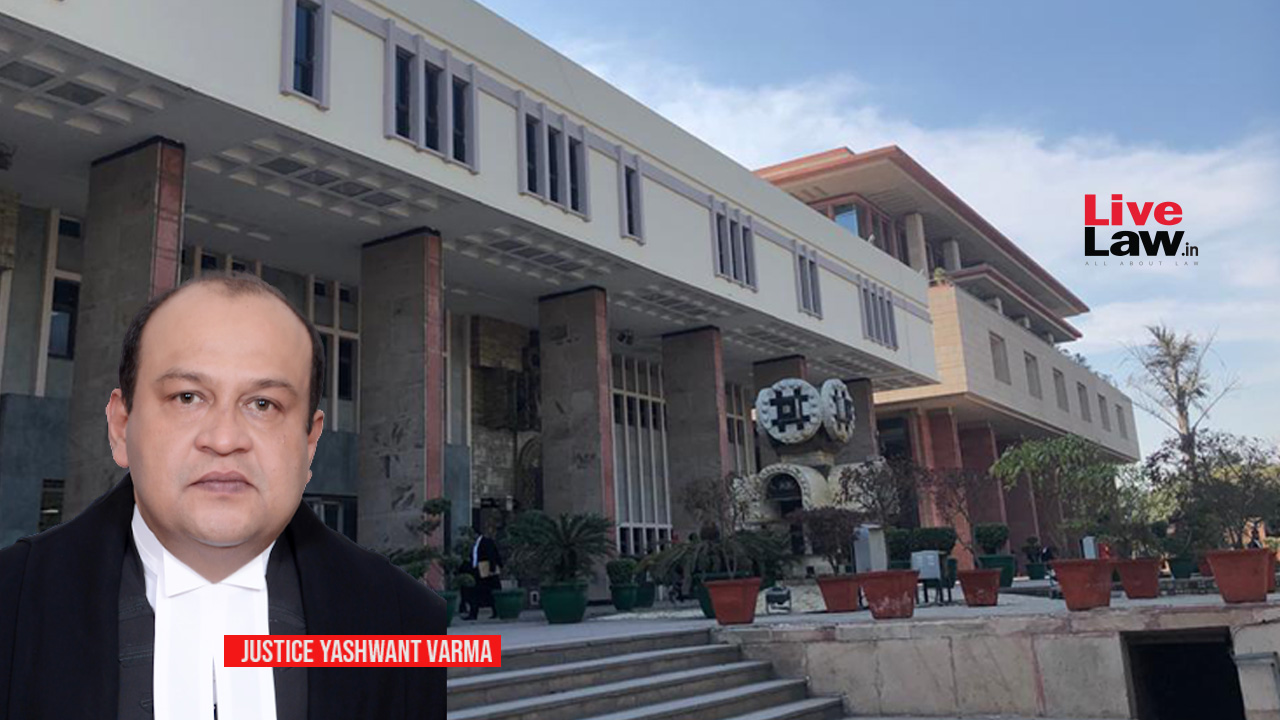
Central Registrar Not Divested Of Its Authority To Appoint Arbitrator Under S. 84 of MSCS Act: Delhi High Court
The Delhi High Court has held that the Central Registrar is not divested of its authority and jurisdiction to appoint an Arbitral Tribunal in terms of Section 84 (4) of the Multi-State Cooperative Societies Act, 2002 (MSCS Act), when a dispute pertaining to a multi-state cooperative society is sought to be referred to arbitration under Section 84 of the Act. The bench of Justice Yashwant Varma remarked that as per the direction issued by the Central Government under the Notification...
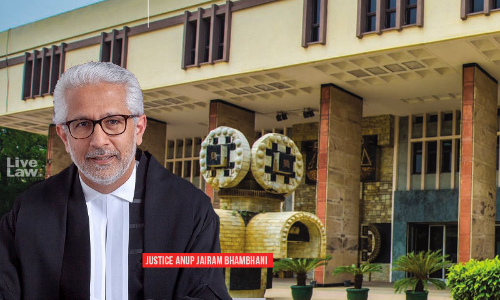
Arbitrator Has No Jurisdiction To Set Aside Sale Notice Issued By Secured Creditor Under Section 13(4) Of SARFAESI Act: Delhi High Court
The Delhi High Court has ruled that the Arbitrator has no jurisdiction to set aside the sale notice issued by the secured creditor under Section 13(4) of the SARFAESI Act, 2002, seeking to enforce its “security interest”. The bench of Justice Anup Jairam Bhambhani remarked that the matter of a notice issued under Section 13(4) of the SARFAESI Act is not arbitrable at all, and thus, the Arbitrator does not have the option to exercise any discretion under Section 17 of the Arbitration...
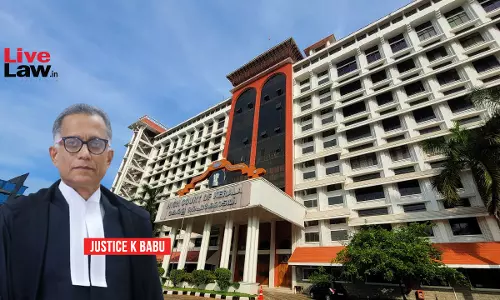
Court Within Territorial Jurisdiction Of Seat Or Place Of Arbitration Alone Can Entertain Application U/S 34 Arbitration Act: Kerala High Court
The Kerala High Court recently held that the Court situated within the territorial jurisdiction of the seat or place of arbitration alone will have the jurisdiction to entertain an application filed under Section 34 of the Arbitration and Conciliation Act, 1996. A single bench of Justice K Babu observed that the term “subject-matter of arbitration” in the definition of “court” in Section 2(1)(e) of the Act, refers to the Court having supervisory control over the arbitration proceedings. This...

Arbitrator May Use Own Knowledge And Expertise To Arrive At Conclusion But Must Allow Parties To Present Their Case: Madras High Court
While granting relief to the Chennai Metro Rail Limited (CMRL), the Madras High Court has noted that while an arbitral tribunal, which consists of experts in the field, is at liberty to apply its own knowledge and understanding to arrive at a conclusion, it should always allow the parties involved to present their case. The bench of Acting Chief Justice T Raja and Justice Bharatha Chakravarthy was adjudicating appeals filed by Transtonnelstroy-Afcons who had entered into an agreement...
Mere Existence Of Power Under S. 9 Of Arbitration Act Not Sufficient To Justify A S. 9 Petition: Delhi High Court
The Delhi High Court has ruled that the power of the Arbitral Tribunal to grant interim measures under Section 17 of the Arbitration and Conciliation Act, 1996 (A&C Act), is not inferior to the power of a court under Section 9. The bench of Justice Yashwant Varma remarked that though Section 9(3) of the A&C Act is not an ouster clause, it still requires the court to consider whether its intervention is warranted after the Arbitral Tribunal has been constituted and is in seisin ...

Arbitration Cases Weekly Round-Up: 12 February To 18 February, 2023
Bombay High Court: No Jurisdictional Error By Arbitrator In Allowing Consolidated SoC Containing Specific Claims Under Different Contracts: Bombay High Court Case Title: BST Textile Mills Pvt Ltd versus The Cotton Corporation of India Ltd The Bombay High Court has ruled that the arbitrator cannot be said to have committed a jurisdictional error by allowing a consolidated Statement of Claims (SoC), without the consent of the opposite party/ award debtor, in view of the fact that...
Challenge Under S. 13 of Arbitration Act Not Raised, Party Can Challenge Unilateral Appointment Of Arbitrator Under S. 34: Madras High Court
The Madras High Court has ruled that even if a party has failed to challenge the unilateral appointment of the Arbitrator under Section 13 of the Arbitration and Conciliation Act, 1996 (A&C Act) before the Arbitral Tribunal, it would not take away its right to challenge the award under Section 34 of the A&C Act on the ground that the Arbitrator was unilaterally appointed. The bench of Justice Krishnan Ramasamy reiterated that if any award is passed in violation of the ...
Former Clause In The Agreement Will Prevail Over The Latter Clause In Case Of Inconsistency: Delhi High Court Reiterates
The Delhi High Court has reiterated that where there is any inconsistency between the two clauses of a same instrument/document, the former clause shall prevail over the latter one. The bench of Justice Chandra Dhari Singh was dealing with the petitions filed under Section 11 and 9 of the Arbitration and Conciliation Act, 1996 (A&C Act). The Court noted that the latter clause contained in the agreement, which conferred jurisdiction on the courts in Gautam Buddha Nagar, was not...
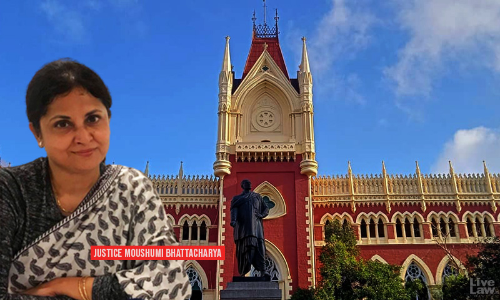
Admitting Jurisdiction In The Pleading Enough For ‘ Express Agreement’ Under Section 12(5) Of The A&C Act: Calcutta High Court
The High Court of Calcutta has held filing of pleadings before the arbitral tribunal and agreeing to the jurisdiction of the tribunal therein satisfies the requirement of ‘express agreement’ given under proviso to Section 12(5) of the Act. Section 12(5) of the Arbitration and Conciliation Act, 1996 provides that notwithstanding any prior agreement to the contrary, any person whose relationship with the parties or counsel or the subject-matter of the dispute falls under any of the...