
ARBITRATION
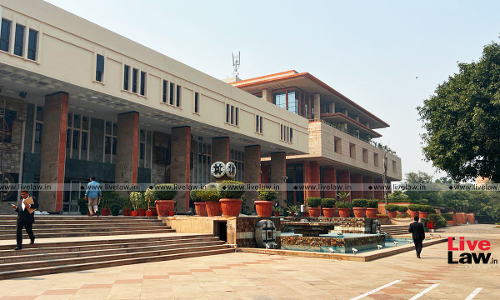
Reasons For Bias Do Not Fall Under VII Schedule Of A&C Act , Petition Is Abuse Of Process Of Court : Delhi High Court
The Delhi High Court has held that an arbitrator can be removed under Section 14(1)(a) which provides for de jure ineligibility of arbitrator only if his appointment falls within the grounds mentioned under the VII Schedule. The bench of Justice Chandra Dhari Singh held that the mandate of the arbitrator on grounds of bias and prejudice cannot be terminated if the test of the Schedule VII is not satisfied as the grounds mentioned therein are the only situations that render an...

Arbitration Cases Weekly Round-Up: 14 To 20 May, 2023
Supreme Court: Referral Court Has Duty To Conclusively Decide Issue Of ‘Existence & Validity Of Arbitration Agreement’ Raised At Pre-Referral Stage: Supreme Court Case Title: Magic Eye Developers Pvt. Ltd. vs M/s. Green Edge Infrastructure Pvt. Ltd. & Ors. The Supreme Court has held that under Section 11(6) of the Arbitration and Conciliation Act, 1996, when the issue of ‘existence and validity of an arbitration agreement’ is raised at pre-referral stage, then the Court...
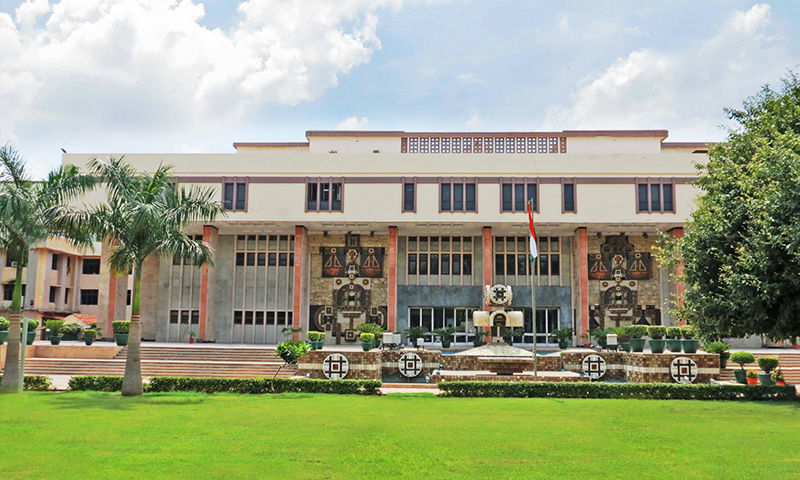
Arbitral Award Passed After Inordinate, Unexplained Delay Is Contrary To Justice and Public Policy : Delhi High Court
The Delhi High Court has ruled that an arbitral award passed after an inordinate, substantial and unexplained delay would be “contrary to justice and would defeat justice”. Consequently, the same would also be in conflict with the public policy of India. The bench of Justice Chandra Dhari Singh was hearing a petition filed under Section 34 of the Arbitration and Conciliation Act, 1996 (A&C Act), challenging the arbitral award on the ground that it had been passed after a long and...
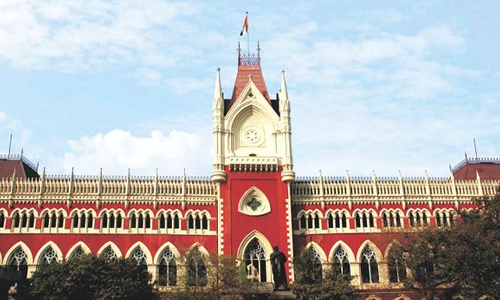
Arbitration: Calcutta High Court Allows S. 11 Application Being Consolidated Claim Under Different Purchase Orders Linked To A Single Main Contract
The Calcutta High Court has ruled that a single composite invocation of arbitration under Section 21 of the Arbitration and Conciliation Act, 1996 (A&C Act), pertaining to a consolidated claim arising out of three different Purchase Orders, containing separate arbitration clauses, cannot be labelled as invalid or unlawful. The court made the observation while noting that all the Purchase Orders, though issued at different times, were a sub-set of the respondent’s performance of a...
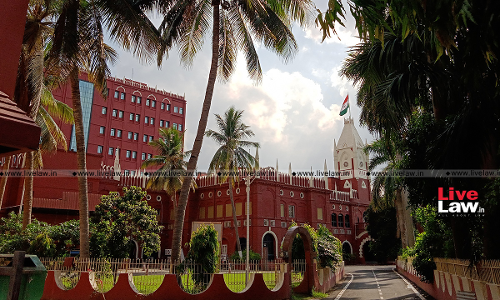
Orissa High Court Allows Writ Petition Against Arbitrator’s Order Directing Evaluation Of Assets, Being Expansion Of Scope Of Reference
The Orissa High Court has set aside the order passed by the Arbitral Tribunal under Section 26 of the Arbitration and Conciliation Act, 1996 (A&C Act), where the Tribunal had directed the appointment of an expert evaluator for evaluating the assets of the counter-claimant in the arbitral proceedings involving money claims. While noting that the claims and counter claims raised by the parties were simply money claims, the bench of Justice Arindam Sinha held that expanding the scope...
![[Arbitration and Conciliation Act, 1996] Arbitral Award Cannot Be Set Aside Merely On The Ground Of Erroneous Application Of Law Or By Misappreciation Of Evidence : Supreme Court](https://assets.livelawbiz.com/h-upload/2022/02/23/500x300_410405-arbitration-and-conciliation-act.jpg "[Arbitration and Conciliation Act, 1996] Arbitral Award Cannot Be Set Aside Merely On The Ground Of Erroneous Application Of Law Or By Misappreciation Of Evidence : Supreme Court")
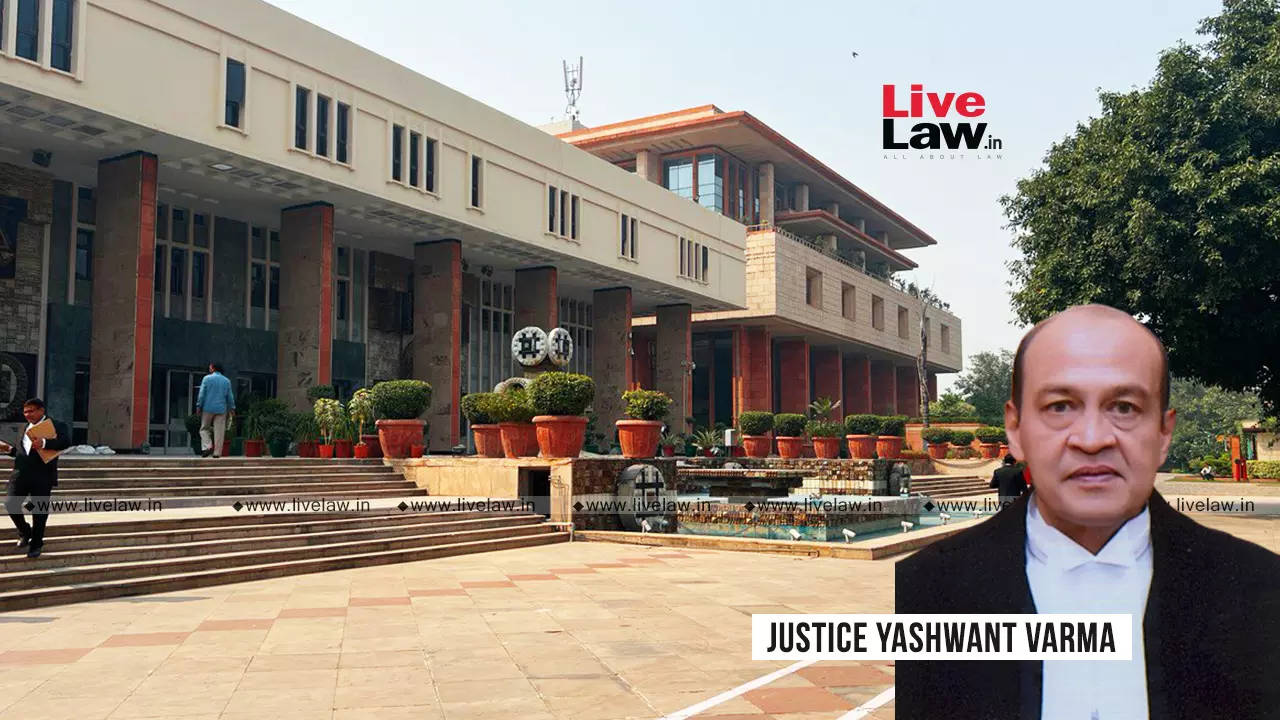
Issues Falling Within The Exclusive Jurisdiction Of Estate Officer Under The Public Premises Act, Are Non-Arbitrable: Delhi High Court
The Delhi High Court has ruled that the disputes relating to determination of a lease or the arrears of rent payable in respect of public premises, are questions statutorily mandated to be determined exclusively by the Estate Officer under the Public Premises (Eviction of Unauthorised Occupants) Act, 1971 (PP Act). Thus, the same are non-arbitrable. The bench of Justice Yashwant Varma was considering a petition filed under Section 11 of the Arbitration and Conciliation Act, 1996...
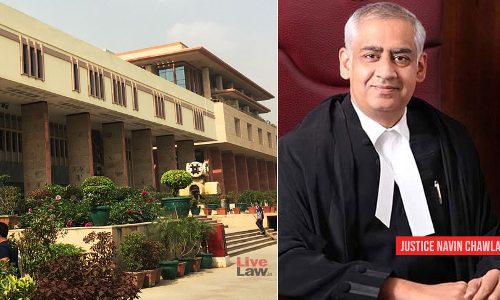
Issue Of Full And Final Settlement Of Dispute Is A Question Of Fact Which Has To Be Decided By The Arbitrator: Delhi High Court
The Delhi High Court has held that an issue of full and final settlement of dispute between the parties will be a question of fact which has to be decided by the arbitrator. The bench of Justice Navin Chawla held that the Court while exercising powers under Section 11 of the A&C Act cannot determine a disputed question of fact as its jurisdiction is confined to a prima facie conclusion of the existence of the arbitration agreement. Facts The parties executed an allotment...
Arbitration Cases Weekly Round-Up: May 07 To May 13, 2023
Supreme Court: Award Can Be Said To Be Suffering From 'Patent Illegality' Only If It Is An Illegality Apparent On The Face Of It : Supreme Court Case Title: Reliance Infrastructure Ltd. vs State of Goa The Supreme Court has observed that an award could be said to be suffering from “patent illegality” only if it is an illegality apparent on the face of the award and the award is not to be searched out by way of re-appreciation of evidence. The narrow scope of “patent...
The Bias Of An Arbitrator: Is The Remedy Under Section 14 Foreclosed?
Independence and impartiality of the arbitrator are the most important requirement of arbitration proceedings.[1] Fairness in the adjudication and rule against bias form part of the basic notions of justice and morality. Natural justice demands the adjudication of a dispute in an impartial way and the same squarely applies to arbitration proceedings also. Therefore, the importance of an independent and impartial arbitral tribunal cannot be gainsaid. Section 12, 13 and 14 of the...

Uttarakhand High Court Directs Facilitation Council Under MSMED Act To Educate Its Officers About Arbitration Law, To Avoid Flagrant Violation Of Arbitration Act
The Uttarakhand High Court has directed the Micro, Small and Medium Enterprises Facilitation Council to organize workshops and seminars to educate its officers, who undertake arbitration proceedings, to equip themselves with the law of Arbitration. The court passed the said direction while hearing an appeal against the decision of the Commercial Court who had set aside the arbitral award passed by the Facilitation Council in the arbitration proceedings conducted under Section 18 of the...
![[Arbitration and Conciliation Act] Supreme Court Sought Particulars of All Pending Section 11(6) Applications From High Courts](https://assets.livelawbiz.com/h-upload/2022/02/23/500x300_410400-arbitration-and-conciliation-act.jpg "[Arbitration and Conciliation Act] Supreme Court Sought Particulars of All Pending Section 11(6) Applications From High Courts")
Award Can Be Said To Be Suffering From 'Patent Illegality' Only If It Is An Illegality Apparent On The Face Of It : Supreme Court
The Supreme Court observed that an award could be said to be suffering from “patent illegality” only if it is an illegality apparent on the face of the award and not to be searched out by way of re-appreciation of evidence.The narrow scope of “patent illegality” cannot be breached by mere use of different expressions which nevertheless refer only to “error” and not to “patent illegality”, the bench of Justices Dinesh Maheshwari and Sanjay Kumar observed while allowing appeals filed by Reliance...