
ARBITRATION
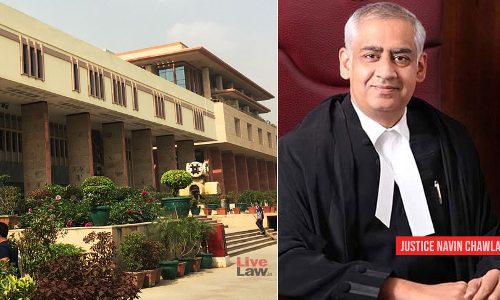
Plea That The Arbitrator Is De Jure Ineligible Can Be Raised As An Additional Ground To Challenge Award, Even Without Amendment Of S. 34 Petition: Delhi High Court
The Delhi High Court has ruled that the plea that the Arbitrator is de jure ineligible to act as an Arbitrator is a plea of lack of jurisdiction. This plea can be allowed to be raised as an additional ground in a petition filed under Section 34 of the Arbitration and Conciliation Act, 1996 (A&C Act), by way of an amendment and even without the same, the court has held.The bench of Justice Navin Chawla made the observation while allowing the amendment application seeking to add an additional...
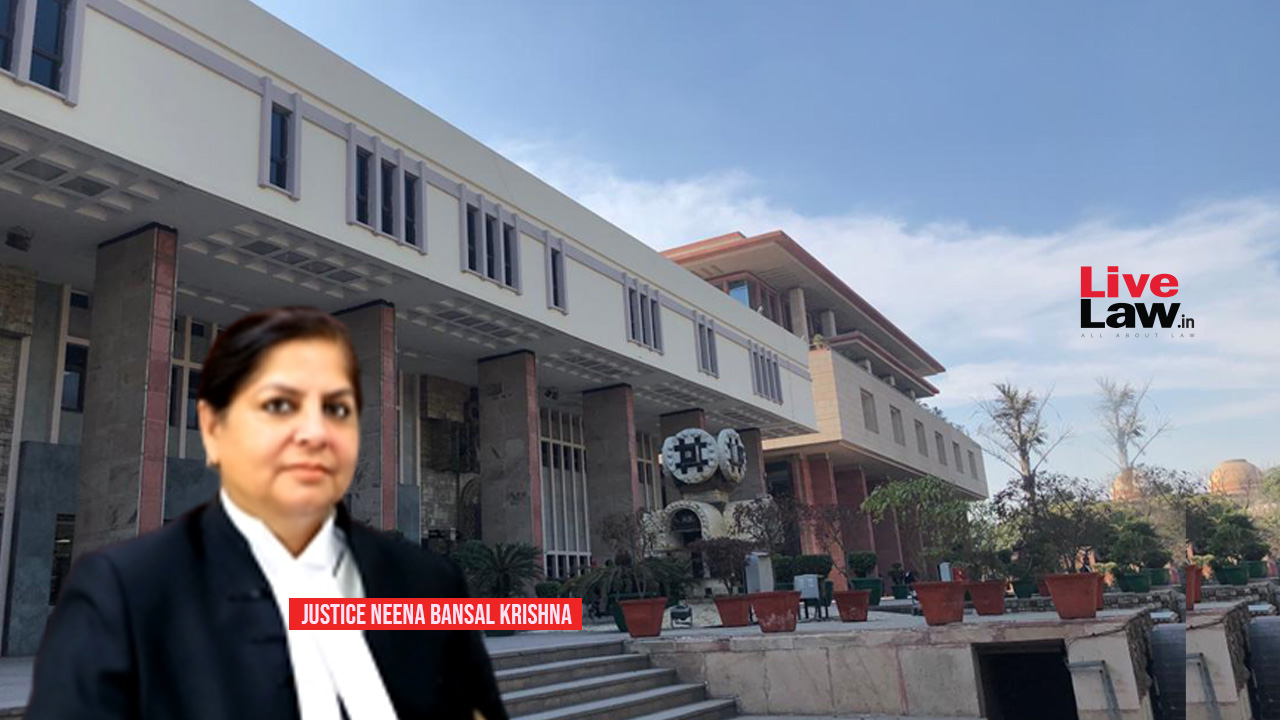
IRCTC Being A State Under A. 12 Is Bound By Its Affidavit Before Any Court Of Law, Cannot File A Contrary Affidavit To Defeat A Claim In Arbitration: Delhi High Court
The High Court of Delhi has held that IRCTC is a State under Article 12 of the Constitution of India and is bound by its affidavit before any court of law and it cannot file contrary affidavit before the arbitral tribunal to defeat a claim of the other party in arbitration. The bench of Justice Neena Bansal Krishna also held that an arbitration award cannot be challenged on the grounds of lack of evidence for award of damages when the parties agreed to not lead any evidence at all at the...
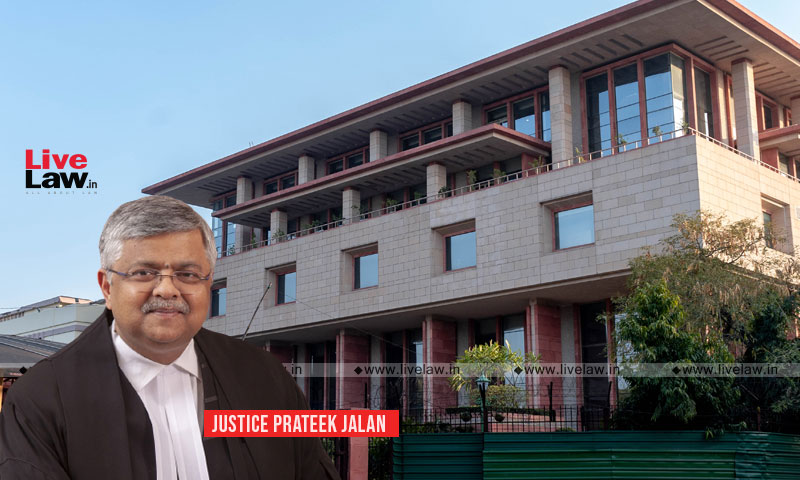
Arbitration Clause In A Contract Perishes With Its Novation: Delhi High Court
The High Court of Delhi has held that an arbitration clause contained in an agreement would perish with its novation if the novated agreement does not contain any arbitration clause. The bench of Justice Prateek Jalan held that the view taken by the arbitral tribunal regarding the non-arbitrability of the dispute due to the novation of the agreement that contained the arbitration clause is a plausible view based on the contractual interpretation of the terms of the agreement, therefore, does not...

Arbitration Cases Weekly Round-Up: 28 May To 3 June 2023
Delhi High Court:SpiceJet Should Pay Entire Arbitral Award Of Rs 380 Crore To Its Former Promotor Kalanithi Maran: Delhi High CourtCase Title: Kal Airways Pvt. Ltd vs M/s SpiceJet Ltd. & Anr.The Delhi High Court has directed SpiceJet to pay the entire arbitral award of Rs. 380 crore to the airline’s former promotor, Kalanithi Maran, and his firm, Kal Airways Pvt. Ltd, in an execution petition filed by Maran seeking enforcement of a 2018 arbitral award passed in his favour.The court has also...
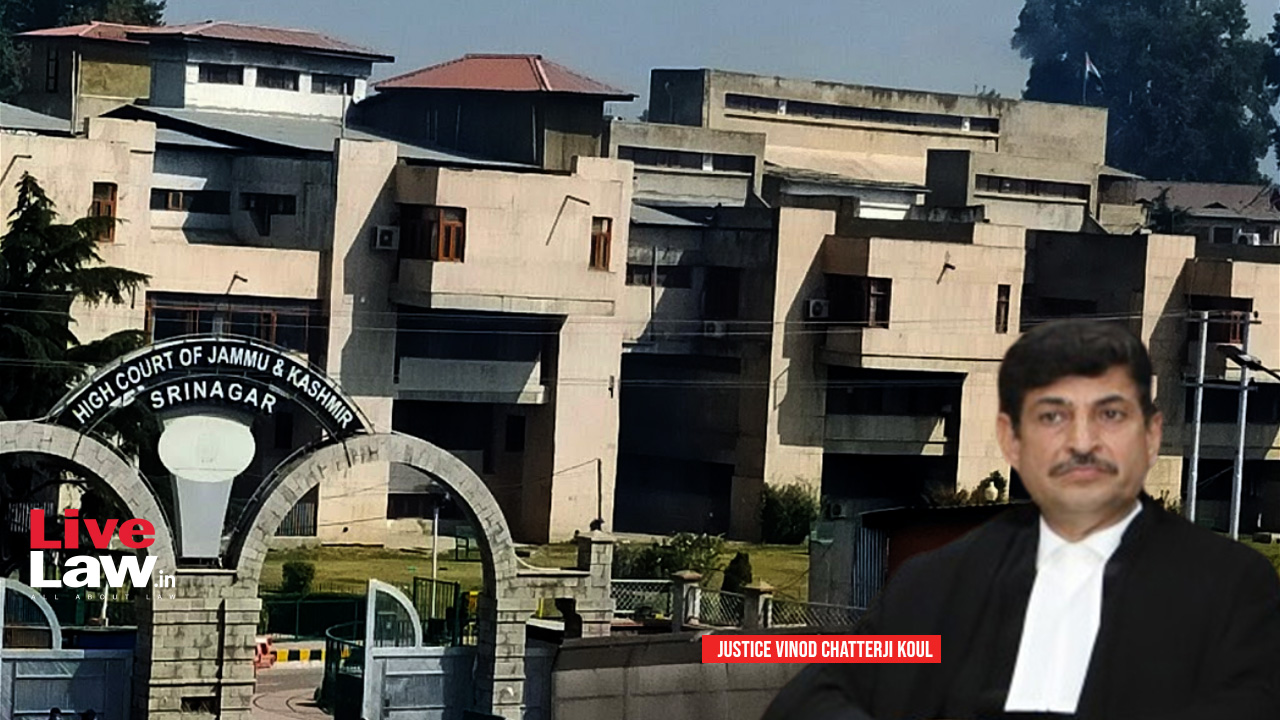
Requirement To Refer The Claims To Dispute Adjudication Board (DAB) Is Mandatory: Jammu & Kashmir And Ladakh HC
The High Court of Jammu & Kashmir and Ladakh has held that the requirement to refer the dispute to DAB, as per the GCC of FIDIC Contracts, is mandatory and the failure to comply with the provision results in making the dispute non-arbitrable. The bench of Justice Vinod Chatterji Koul held that when the agreement between the parties provides for reference of claims to DAB as pre-arbitration requirement and also provides for the consequences for the non-compliance, the parties must necessarily...
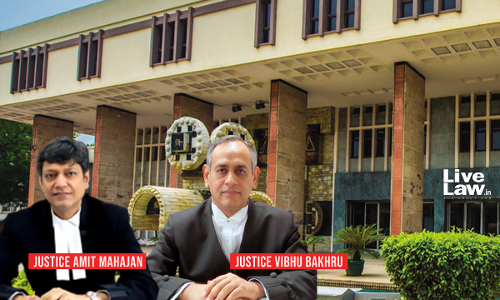
Extension Of Period Of Agreement By Written Communications, No Novation, The Arbitration Clause Continues To Be Operative: Delhi High Court
The High Court of Delhi has held that if the parties have, by written communications, extended the period of agreement, the arbitration clause that was a part of the agreement continues to be operative.The bench of Justices Vibhu Bakhru and Amit Mahajan has distinguished between the situations wherein an arbitration clause expires with the novation of the main agreement and when the arbitration clause continues to be operative when the original agreement is not superseded by any other agreement...
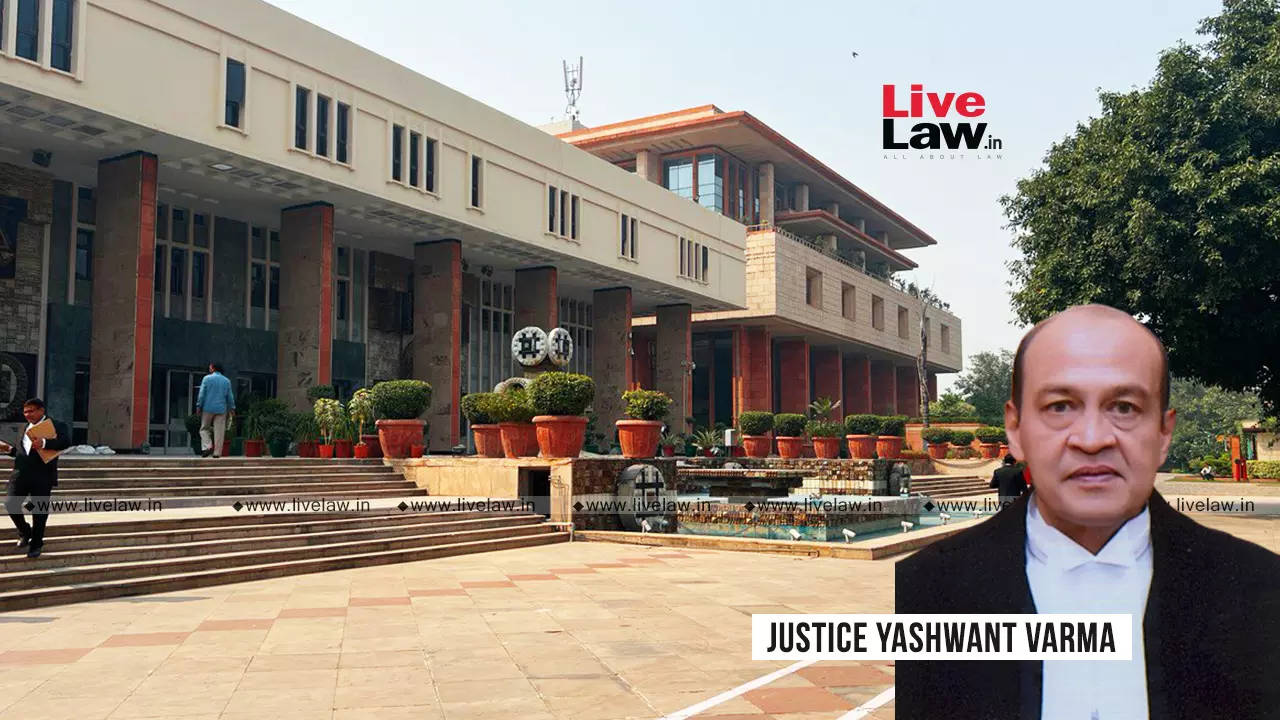
A Consent Foreign Award Is Enforceable Under The New York Convention: Delhi High Court
The High Court of Delhi has held that a consent foreign award is enforceable under the New York Convention/Part II of the A&C Act, 1996. The bench of Justice Yashwant Varma held rejected the argument that consent arbitration award do not fall within the rubric of New York Convention. The Court rejected the argument that an award to be recognized under the Convention must be one based on adjudication as arbitration presupposes adjudication by the tribunal and any award incorporating the...
‘Partial Reduction In Traffic’ Due To Remote Event Of Flood Is Not A Force Majeure Event, Delhi High Court Sets Aside The Award Against NHAI
The Delhi High Court has held that ‘partial reduction in traffic’ due to a remote event of flood is not a force majeure event. The bench of Justice Manoj Kumar Ohri held that force majeure event contemplates a complete blockade of the road due to the floods and not mere reduction of the traffic on a particular road. The Court set aside an arbitration award passed against NHAI on the ground that the interpretation adopted by the Arbitral Tribunal was contrary to the intent of the parties,...
‘Balance Rent’ During The Lock-In Period Is A Genuine Pre-Estimate Of Loss, Requires No Further Of Actual Loss: Delhi High Court
The High Court of Delhi has upheld an arbitral award wherein the arbitrator held that the ‘Balance Rent’ during the lock-in period is a genuine pre-estimate of loss which requires no further proof of loss. The bench of Justice V. Kameshwar Rao held that when the contract provides for payment of entire balance rent for the lock-in period if the deed is terminated before the expiry of the lock-in period, it would be a genuine pre-estimate of the losses that the lessor would bear for the early...
The Expression “Any” Member of Arbitral Tribunal Cannot Be Read As “All Members”: Delhi High Court
The Delhi High Court has ruled that the expression “any member” contained in a clause that lays down a mandatory qualification to be appointed as arbitrator, cannot be read as “all members” of the Arbitral Tribunal. The court said that the phrase “any member” must be interpreted in the context in which it is used.The bench of Justice Yashwant Varma was dealing with an Arbitration Clause that required that “any member” of the Arbitration Tribunal shall be a “Graduate Engineer with experience in...
Restrictive Clauses V. Law Of Limitation: Can The Right To Arbitration Be Restricted To A Lesser Period Than Provided Under The Limitation Act?
It is not uncommon for arbitration practitioners to come across agreements, the provisions of which are lop-sided and designed to favour the dominant party or the employer. These clauses are almost non-negotiated and one party is often made to sign on the dotted lines. These may inter alia include clauses like the requirement of mandatory pre-arbitration deposit,[1] unilateral option clauses,[2] unilateral appointment clauses,[3] clauses restricting the right to nominate an arbitrator from a...
Third Party Funders In Arbitration Play A Vital Role In Ensuring Access To Justice; Arbitral Award Cannot Be Enforced Against Them: Delhi High Court
The Delhi High Court has ruled that a third-party funder, i.e., a non-signatory to arbitration agreement, who is not a party to the arbitral proceedings or the award, cannot be held liable for the awarded amount merely because it has funded a party in arbitral proceedings.The court dismissed the contention that third-party funders must be held liable for funding impecunious persons who are unsuccessful in pursuing their claims in the arbitral proceedings. It held that permitting enforcement of...