
ARBITRATION
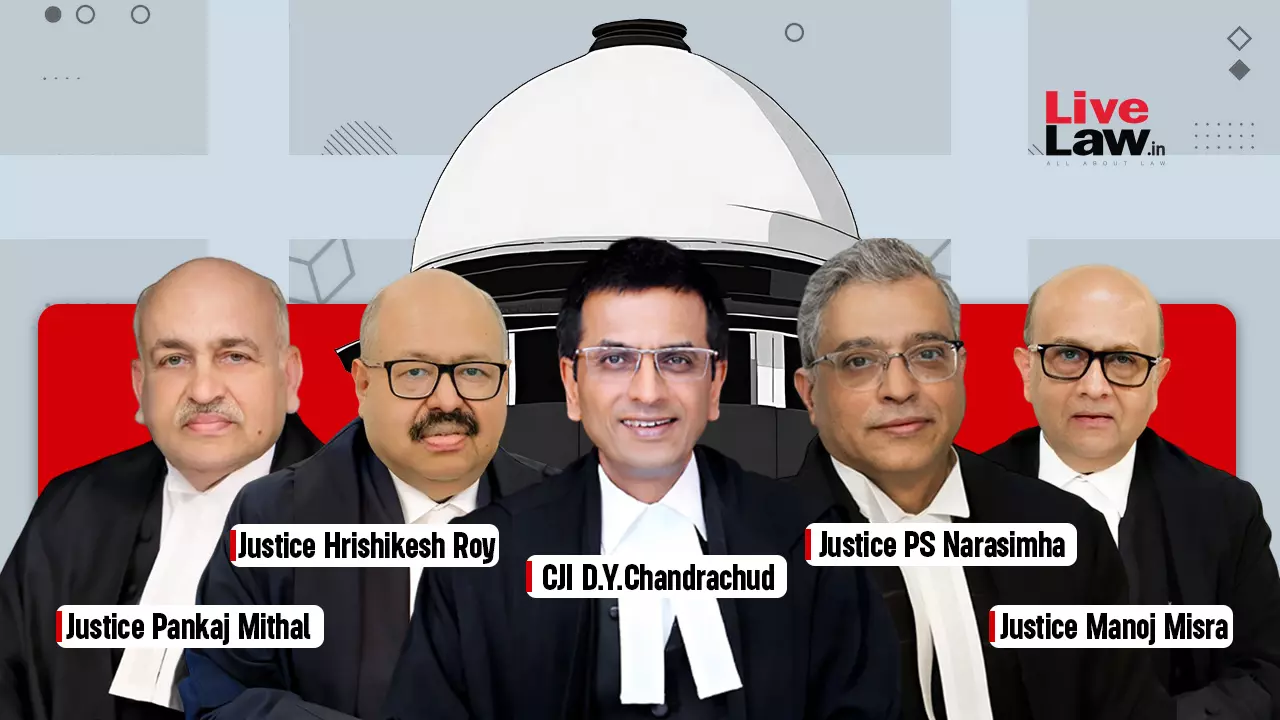
Principle Of 'Alter Ego' Or 'Piercing Corporate Veil' Not The Basis For 'Group Of Companies' Doctrine : Supreme Court
While approving the 'group of companies' doctrine in the arbitration law jurisprudence, the Supreme Court clarified that the principle of "alter ego" or "piercing the corporate veil" cannot be the basis for applying this doctrine.The Constitution Bench comprising Chief Justice of India DY Chandrachud, Justice Hrishikesh Roy, PS Narasimha, JB Pardiwala and Manoj Misra was answering a reference which doubted the "group of companies" doctrine which allows non-signatory companies to be bound by...
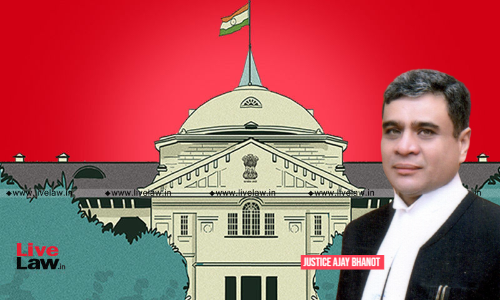
Tribunal Didn't Meet Objections Raised, Allahabad High Court Sets Aside Arbitral Award, Remits Case To Tribunal
The Allahabad High Court has held that under Section 34(4) of the Arbitration and Conciliation Act, 1996, the High Court can set aside an arbitral award and remit the case back to the Arbitral Tribunal for a fresh decision.The bench comprising Justice Ajay Bhanot placed reliance on the judgment of the Apex Court in National Highways Authority of India Vs. P. Nagaraju and Ors to hold thus:“In light of the provisions of Section 34 of Arbitration and Conciliation Act, 1996 and the appellate...
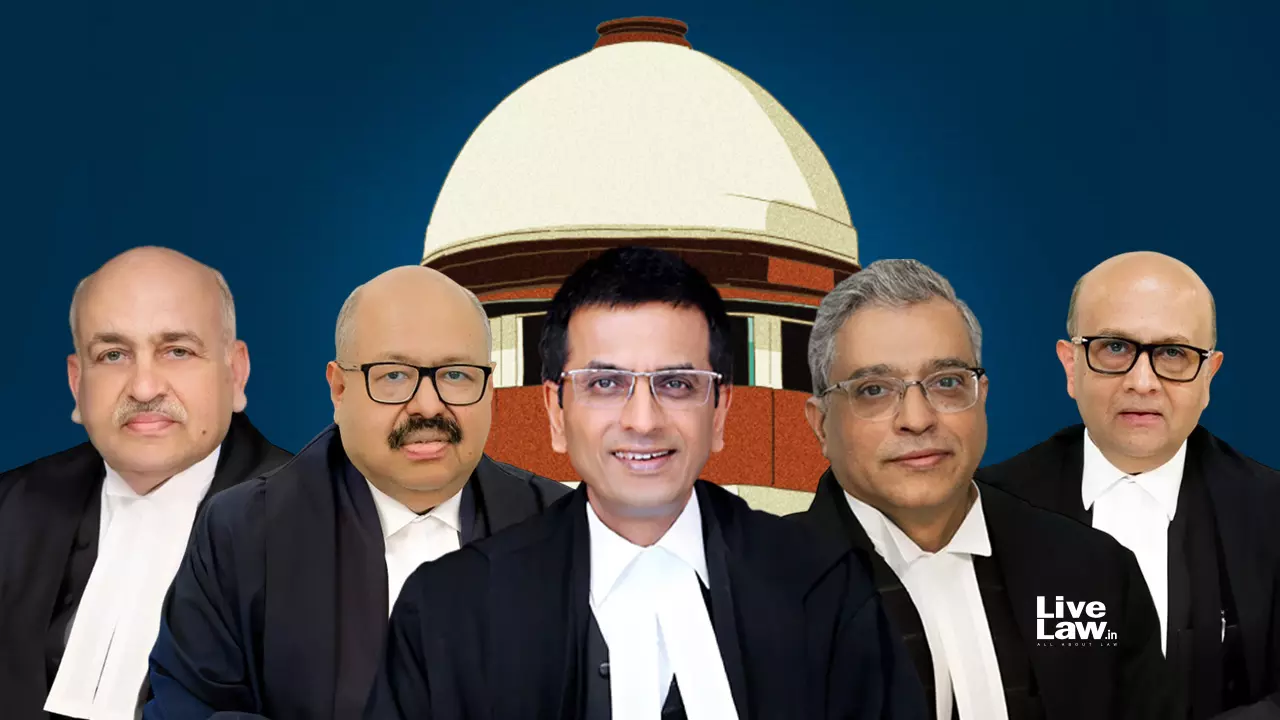
Arbitration Agreement Can Bind Non-Signatories: Supreme Court Upholds 'Group Of Companies' Doctrine
A Constitution Bench of the Supreme Court on Wednesday (December 6) held that an arbitration agreement can bind non-signatories as per the "group of companies" doctrine. "The 'group of companies' doctrine must be retained in the Indian arbitration jurisprudence considering its utility in determining the intention of the parties in the context of complex transactions involving multiple parties and multiple agreements," the Court observed. A bench comprising Chief Justice of India DY...

Arbitration Monthly Round-Up: November 2023
International Judgments Hong Kong Court Refuses To Enforce A Mainland Arbitration Award For Failure Of Arbitrator To Meaningfully Engage With Arbitral Proceedings Case Title: SONG LIHUA v. LEE CHEE HON, CONSTRUCTION AND ARBITRATION PROCEEDINGS NO. 111 OF 2022 Citation: [2023] HKCFI 2540 The Hong Kong Court of First Instance has refused enforcement of a Mainland (China) award on the ground that one of the members of the arbitral tribunal failed to meaningfully engage with the...

Arbitration Weekly Round-Up: 27th November to 3rd December
Bombay High Court N.N. Global Judgment Does Not Affect The Power Of Court To Grant Interim Measures Under Section 9 Of The A&C Act Despite Inadequacy/Insufficiency Of Stamp Duty: Bombay High Court Case Title: L&T Finance Limited v. Diamond Projects Limited, Commercial Arbitration Petition No. 1430 of 2019 The High Court of Bombay has held that the judgment of the Constitution Bench in N.N. Global does not affect the power of Court to grant interim measures under Section...
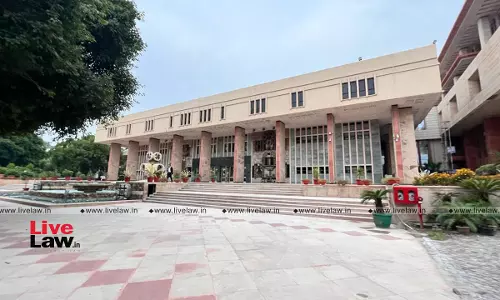
Arbitral Tribunal Can’t Allow Application U/S 27 Of A&C Act Without Forming A Prima Facie View On The Relevancy Or Admissibility Of The Evidence: Delhi High Court
In a recent ruling, the Delhi High Court emphasized that when an arbitral tribunal is presented with a party's application under Section 27 of the Arbitration and Conciliation Act (A&C Act), seeking permission to seek the court's assistance in obtaining evidence, it is imperative for the tribunal to form a prima facie view on the relevance and admissibility of the evidence. Justice Sachin Datta, presiding over the case, highlighted that the tribunal, in the exercise of its ...
Court Exercising Powers Under Section 27 Of The A&C Act Cannot Examine The Admissibility Or Relevancy Of The Evidence: Delhi High Court
The High Court of Delhi has held that the Court exercising powers under Section 27 of the A&C Act cannot form an opinion on the relevancy or the admissibility of the evidence for which the assistance of the Court is sought. The bench of Justice Sachin Datta held that the role of Court under Section 27 of the A&C Act is not adjudicatory, therefore, the Court would not examine the aspects of relevancy or admissibility of the evidence, rather, it is the duty of the tribunal to ...
Delhi High Court Extends The Arbitration Period Despite Significant Delays, Considering The Advanced Stage Of Proceedings.
The High Court of Delhi has extended the time period for the completion of arbitral proceedings, despite observing that there was inordinate delay in the completion of arbitral proceedings, on the ground that the proceedings, though protracted, has reached advance stage. The bench of Sachin Datta while dealing with an application under Section 29A(4) of the A&C Act, extended the mandate of the arbitral tribunal despite acknowledging the substantial delay and petitioner's laxity by...
Entire Arbitration Not Invalid By Illegality Of Appointment Procedure: Delhi High Court Reiterates
The High Court of Delhi has held that an arbitration clause does not become illegal by mere illegality of the appointment procedure provided therein. The bench of Justice Sachin Datta held that the procedure for appointment of an arbitrator is clearly distinct and separable from the agreement to refer disputes to arbitration, even if these are contained in the same arbitration clause. Facts Three petitions were filed under Section 11(6) of the Arbitration and Conciliation Act,...
Court Under Section 11 Of The A&C Act Can Sever Offending Part Of Arbitration Clause: Delhi High Court
The High Court of Delhi has held that the Court exercising powers under Section 11 of the A&C Act can sever an illegal/offending portion of the arbitration clause. The bench of Justice Sachin Datta held that an arbitration clause does not become illegal by mere illegality of the appointment procedure provided therein, therefore, the Court u/s 11 can sever the illegal portion of the award and refer the dispute to arbitration. Facts Three petitions were filed under Section...
Reduction Of Rate Of Interest Awarded By The Arbitral Tribunal Amounts To Modification Of The Award: Delhi High Court
The High Court of Delhi has held that the Court exercising powers under Section 34 of the A&C Act cannot reduce the rate of the interest awarded by the arbitral tribunal as the same amounts to modification of the arbitral award. The bench of Justices Yashwant Varma and Ravinder Dudeja held that the modulation of the terms of the award by reducing the rate of interest awarded by the arbitral tribunal is impermissible within the limited power conferred on the Court under Section 34 of...

Court U/S 37 Of The A&C Act Can’t Undertake An Independent Assessment Of Arbitral Award,: Bombay High Court
The High Court of Bombay has held that under Section 37 of the A&C Act, the challenge must be related to the impugned order passed under Section 34 of the Act and not merely to the arbitral award. It held that it is incumbent upon a party to point out errors in the order under Section 34 to make out a case in appeal under Section 37. The bench of Chief Justice Devendra Kumar Upadhyaya and Justice Arif. S. Doctor held that the Court while exercising powers under Section 37 of the...