
ARBITRATION
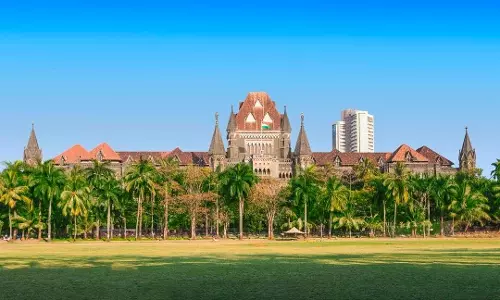
Courts Can't Constantly Interfere And Micro-Manage Arbitral Proceedings: Bombay High Court
The Bombay High Court bench of Justice Arif S. Doctor has held that the court cannot constantly interfere with and micromanage proceedings which are pending before Arbitral Tribunals. The bench held that the scope of judicial interference under Section 37(2)(b) of the Arbitration Act is limited in nature. The bench held that the court: (i) will not interfere with the exercise of discretion by the Arbitral Tribunal and substitute its own view except when the Arbitral...
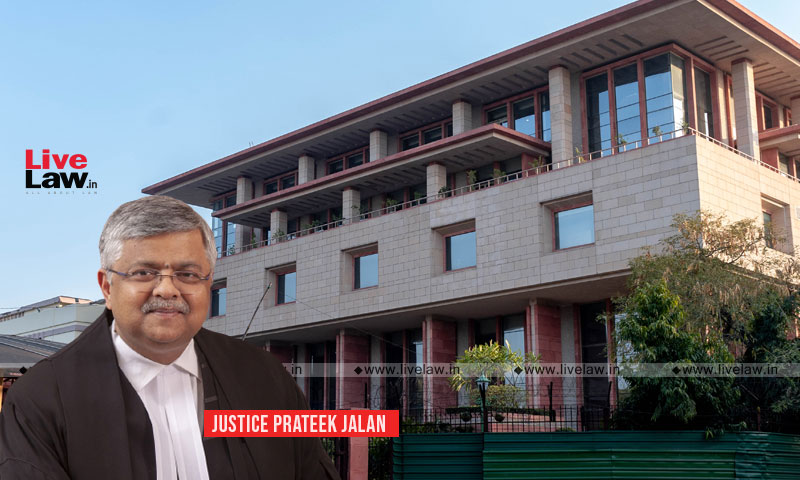
'Subsequent Shareholders' Do Not Qualify As 'Association Or Body of Individuals' Under Section 2(1)(f)(iii) Of Arbitration Act: Delhi High Court
The Delhi High Court bench of Justice Prateek Jalan has held that “subsequent shareholders,” each holding a specific number of shares and having the right to exit the company under defined conditions while undertaking individual rights and obligations, do not qualify as an "association or body of individuals" under Section 2(1)(f)(iii) of the Arbitration and Conciliation Act, 1996. Therefore, the High Court classified the arbitration as “international commercial arbitration” because...
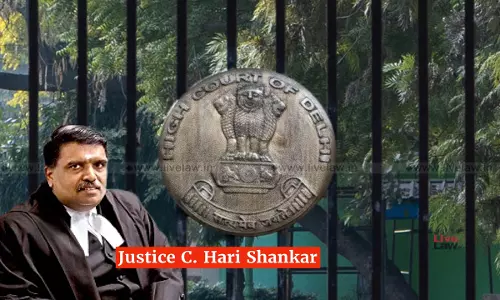
Decree Holder Not Entitled To Interest For Period Between Deposit of amount and its Release : Delhi High Court
The Delhi High Court bench of Justice C. Hari Shankar has held that the Decree Holder is not entitled to interest on the amount deposited by the Judgment Debtor for the period between the date of deposit and the date of release permitted by the court. The bench held that the entitlement to interest does not extend to the period between the deposit and the withdrawal application if the deposit was unconditional and available for withdrawal without any impediment. It held that the...
Intention To Arbitrate Must Be Assessed Holistically In Transactions Involving Interlinked Agreements, Even If Some Agreements Lack Explicit Arbitration Clauses: Delhi High Court
The Delhi High Court single bench of Justice Pratibha M. Singh held that in a composite transaction involving multiple interlinked agreements, courts should assess the intention to arbitrate holistically and refer disputes to arbitration even if some agreements lack explicit arbitration clauses. Brief Facts: Nishesh Ranjan and Vandana Srivastava (“Petitioners”) entered into a builder-buyer agreement with Brick Risk Developers Pvt. Ltd. (“Developer”) for a flat in Noida, Uttar...

Single Judge Of Commercial Division Has Jurisdiction Over Original Applications In International Commercial Arbitration: Calcutta High Court
The Calcutta High Court bench of Justice Sabyasachi Bhattacharyya has held that original applications related to International Commercial Arbitration are to be entertained by the Single Judge of the Commercial Division. The High Court held that the Commercial Courts Act, 2015 defines the Commercial Division and the Commercial Appellate Division distinctly. The Commercial Division, comprised of a Single Judge as per Section 4(1), handles original applications and appeals arising from...
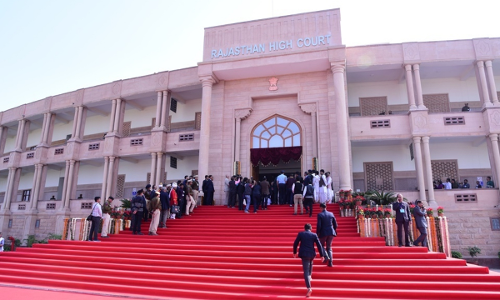
Enforcement Of Foreign Arbitral Award, Repeated Non-Compliance; Rajasthan High Court Sentences Director Of Company Civil Imprisonment
The Rajasthan High Court bench of Dr. Justice Nupur Bhati has ordered the director of a company to one month of civil imprisonment for failing to disclose its assets in the enforcement of a foreign arbitral award. The High Court with its prior judgment ordered the foreign award to be enforceable and executable as a decree of the court. For the enforcement and execution of this decree, Mamta Hygiene Products Pvt Ltd (Respondent) was directed to disclose its assets by filing an affidavit...
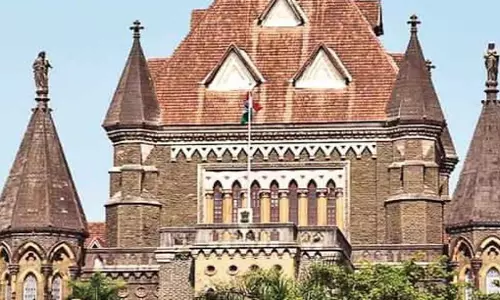
Individual Members Of Society Can't Be Considered Signatories To The Arbitration Agreement: Bombay High Court
The Bombay High Court bench of Justice Somasekhar Sundaresan has held that individual members of the Society cannot be considered signatories to the arbitration agreement under Section 7 of the Arbitration Act, as they do not individually participate in its formation or execution of arbitration clause. Brief Facts: Eleven members of a cooperative housing society approached the High Court and filed an application under Section 11 of the Arbitration and Conciliation Act, 1996...
Section 11(6) Petition Not Maintainable Without Prior Section 21 Notice In Arbitration Proceedings: Delhi High Court
The Delhi High Court bench of Justice C. Hari Shankar has held that a Section 11(6) petition under Arbitration and Conciliation Act, 1996 is not maintainable unless it is preceded in the first instance by a Section 21 notice. The bench noted that the notice serves the crucial purpose of informing the opposing party about the claims asserted, allowing for potential acceptance, clarification of claims, assertion of defenses, or identification of counter-claims. Brief Facts: M/s...
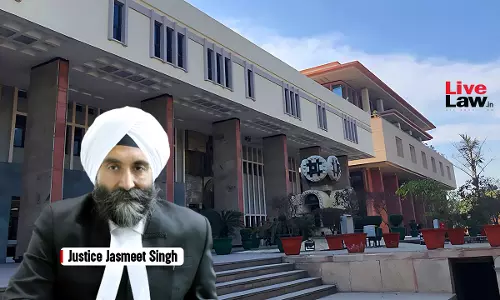
Interim Measures U/s 17 Of Arbitration Act Affecting Third-Party Rights Is Appealable: Delhi High Court
The Delhi High Court bench of Justice Jasmeet Singh has held that a third party, whose rights for a registered charge are affected by an arbitral award, can challenge such award under Section 37 of the Arbitration and Conciliation Act, 1996. The bench held that: “the appellant herein has charge duly registered in its favour and that being the position, the charge in favour of the appellant cannot be diluted/interfered as done by the impugned orders and more so in the absence of the...
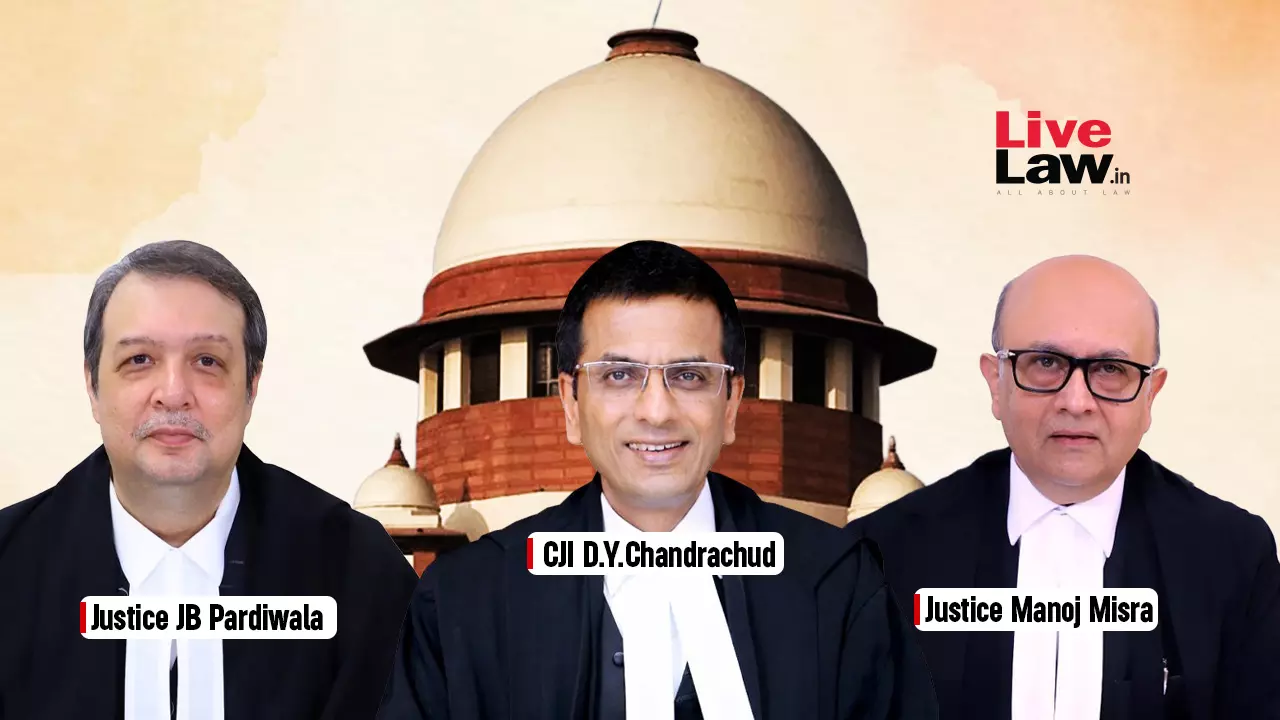
Proceedings For Cheque Dishonour U/s. 138 NI Act Do Not Constitute Continuing Cause Of Action To Initiate Arbitration: Supreme Court
The Supreme Court recently observed that initiation of proceedings under the Negotiable Instruments Act, 1881 for cheque dishonour does not constitute continuing cause of action for initiating arbitration under the Arbitration and Conciliation Act, 1996 (A&C Act).A bench of Chief Justice of India DY Chandrachud, Justice JB Pardiwala, and Justice Manoj Misra dismissed an arbitration petition seeking the appointment of an arbitrator eleven years after cheques were dishonoured, on the ground...
Arbitrator's Findings As Per Evidence And Testimony Is Not Perverse, No Need To Interfere: Delhi High Court
The Delhi High Court bench of Justice Jasmeet Singh has held that findings made by an arbitrator which are consistent with the documentary evidence and admissions made during cross-examination are reasonable and not perverse. The High Court referred to the decision of the Supreme Court in Associate Builders v. DDA (2015) 3 SCC 49 where the Supreme Court held that the grounds for setting aside an arbitral award under Section 34(2)(a) of the Arbitration Act do not encompass the merits of...
Arbitration | Dispute Regarding Full & Final Settlement Of Contract Is Arbitrable : Supreme Court
The Supreme Court held that if any dispute arises as to whether a contract has been discharged or not, such a dispute is arbitrable. “Once the contract has been discharged by performance, neither any right to seek performance, nor any obligation to perform remains under it.However, whether there has been a discharge of contract or not is a mixed question of law and fact, and if any dispute arises as to whether a contract has been discharged or not, such a dispute is arbitrable as per the...